Author: Admin

  • ExpressVPN vs. Surfshark: How CNET’s Top Two VPNs Compare

    ExpressVPN vs. Surfshark: How CNET’s Top Two VPNs Compare

    ExpressVPN and Surfshark are two of CNET’s best VPN picks, both earning Editors’ Choice designations. ExpressVPN is CNET’s Editors’ Choice for best overall VPN, and Surfshark is CNET’s Editors’ Choice for best value VPN. Both are excellent options for anyone who wants a VPN that offers first-rate privacy protections, but can also reliably handle geoblocks when streaming content online.

    This comparison between ExpressVPN and Surfshark is based on extensive testing and thorough evaluations of each service’s overall value, privacy features and speeds. I conducted hundreds of individual speed tests for each provider to multiple locations and through multiple VPN protocols and platforms, along with leak tests and kill switch tests. I also carefully evaluated each provider’s features, privacy policy, terms of service, transparency efforts and customer support.

    Both are first-class VPN providers, but ExpressVPN edges Surfshark in this head-to-head. Read on to find out why.

    Read more: Best VPN Services of 2023

    ExpressVPN vs. Surfshark

    ExpressVPNExpressVPN

    ExpressVPN

    Savings 49% off with 12-mo plan (+3 free months)Latest tests No leaks detected, 2% speed loss in spring 2022 testsNetwork 3,000-plus servers in 160 locations across 94 countriesJurisdiction British Virgin Islands

    ExpressVPN is currently CNET’s top overall VPN pick due to its strong commitment to privacy and transparency, excellent speeds and streaming capabilities. If you have critical online privacy needs, ExpressVPN is the way to go. But if you want to unblock a world of streaming options, ExpressVPN is the one for the job, too. Its interface is minimalist and easy to use across platforms, but has a lot of options for customization from its Preferences menu. ExpressVPN is a well-rounded service that performs admirably for virtually any VPN use case, whether you’re a beginner or advanced VPN user. It leans a tad toward the expensive side, but if you want a top-notch VPN experience it’s worth it — even if you only get five simultaneous connections.
    Read our ExpressVPN review.

    49% off with 12-mo plan (+3 free months)

    surfsharksurfshark

    Surfshark

    Savings $2.49/mo with 24-mo plan (+2 free months)Latest tests Zero data leaks and 19% internet speed loss in fall 2022 testsNetwork 3,200-plus in 99 countriesJurisdiction Netherlands

    If you’re looking for a VPN that provides the most value for your money, Surfshark is the VPN for you. Despite its budget-friendly pricing, Surfshark is loaded with features, provides a few unique privacy protections and unblocks more Netflix libraries than you can count. Surfshark is a relative newcomer to the industry, compared to ExpressVPN, but it has already made a name for itself in the highly competitive VPN market. I’m impressed with how Surfshark continues to innovate and work toward improving its service on multiple fronts — and hoping it can continue to offer its favorable pricing.

    Read our Surfshark VPN review.

    $2.49/mo with 24-mo plan (+2 free months)

    Speed winner: ExpressVPN by a wide margin, thanks to Surfshark’s inconsistency and sputtering OpenVPN speeds

    Finding the fastest VPN is a priority for most VPN users, so we put VPNs through rigorous speed testing. In my most recent speed tests in the first quarter of 2023, I registered an 18% average speed loss with ExpressVPN and an average 40% speed loss with Surfshark.

    ExpressVPN was consistently speedy regardless of which protocol, device or location I tested it through. The only other VPN that performed more consistently during my most recent speed tests was NordVPN. The best speed performance I got out of ExpressVPN was through the OpenVPN protocol from my testing location in Hungary, where I registered a 9% speed loss compared to my base speeds. The best speed performance I got through WireGuard with ExpressVPN was from my other testing location in Ohio, where I registered an 11% speed loss. And with ExpressVPN upgrading its server fleet to 10Gbps servers, I’m hoping to see even faster and more consistent speeds from the provider in the future.

    Surfshark’s speeds through the WireGuard VPN protocol from Ohio were excellent, causing my speeds to dip a mere 8% below my base internet speeds — above the top speeds I saw from ExpressVPN. However, Surfshark’s speeds through the OpenVPN protocol on my Windows laptop were abysmal, cutting my base speeds by a whopping 76%. And that’s the core issue, here. While Surfshark sometimes offered good speeds, I never knew what to expect from different protocols or devices.

    I have found that VPN speeds through Windows machines tend to be marginally slower across the board than they typically are through a Mac, but other VPNs I tested through Windows didn’t register such a dramatic drop in speeds as Surfshark did. Losing more than three quarters of your base speed can be a real downer if you’re a gamer, torrenter or like to stream content. That said, Surfshark’s OpenVPN speeds through my Mac were fairly respectable (34% speed loss), though not overly impressive. Still, the inconsistent nature of Surfshark’s overall speed performance was a major disappointment.

    If you want to optimize your speeds with Surfshark, I recommend connecting through the WireGuard protocol, especially if you’re a Windows user. Surfshark tells me that its development team is working on the issue, so hopefully OpenVPN speeds will improve in the future.

    Cost winner: Surfshark, thanks to its impressive suite of features at a significantly lower price

    ExpressVPN is, by all measures, a premium VPN service. It’s top of the line when it comes to speed, privacy, features and unblocking capabilities. And, compared to the competition, it’s expensive. ExpressVPN’s most cost-effective subscription plan is its annual plan, which costs $100 per year. You can also opt for either a biannual plan for $60 every six months or a monthly plan for $13 per month.

    For that price, you get five simultaneous connections, access to a global network of servers spanning 94 countries, 24/7 live chat customer support, an easy-to-use app for all of your devices and unparalleled streaming capabilities. Additionally, you’ll eventually get access to ExpressVPN’s password manager, Keys, at no additional cost, once it exits beta and is rolled out universally to all users.

    Surfshark is far easier on the pocketbook than ExpressVPN. Though Surfshark’s monthly pricing is equal to that of ExpressVPN at $13 per month, its yearly rate is considerably cheaper at $48 for the first year (then $60 per year) — a savings of $40 per year after the promo pricing ends. And while we don’t recommend committing to any VPN provider for more than a year due to the volatile nature of the industry on the whole, you can get your first two years with Surfshark for $60 total (which then renews annually at $60).

    If you go with Surfshark’s annual plan, you get a feature set comparable to ExpressVPN, for a fraction of the cost. And unlike ExpressVPN’s meager simultaneous connection limit of five, Surfshark allows for an unlimited number of simultaneous connections. In addition to that, you’ll get access to servers in 100 different countries, 24/7 live chat customer support, an ad and malware blocker, cookie popup blocker and split tunneling. And Surfshark’s streaming capabilities are constantly improving, putting the provider nearly on the same level as ExpressVPN in that regard. With Surfshark, you can unblock an impressive number of international Netflix libraries. And, following our previous Surfshark review, the provider improved significantly in its ability to reliably unblock Disney Plus.

    Among CNET’s top VPN picks, ExpressVPN and Surfshark occupy opposite ends of the spectrum when it comes to cost — NordVPN, Proton VPN and IPVanish fall somewhere in between. With ExpressVPN you get the quality that you pay for, and with Surfshark, you get tremendous value for the comparatively low price you pay (if you sign up for a longer-term subscription). Sure, ExpressVPN is well worth its premium price tag, but if you’re a casual VPN user who doesn’t necessarily need every bit of what ExpressVPN offers, Surfshark is more than capable of providing everything you need in a VPN at a lower cost.

    Privacy and security winner: ExpressVPN, thanks to its TrustedServer technology and unmatched transparency efforts

    ExpressVPN and Surfhark both offer excellent privacy for VPN users. Like CNET’s other top VPN picks, ExpressVPN and Surfshark both offer industry-standard (and virtually uncrackable) AES 256-bit encryption to protect users’ traffic. They both also offer standard privacy protections like a kill switch, DNS leak protection, no-logging policy and a RAM-only diskless server infrastructure. Both providers’ kill switch and DNS leak protection worked flawlessly during my testing. It’s a tight race here, but if I had to choose one for critical privacy needs, I would choose ExpressVPN.

    ExpressVPN’s TrustedServer technology builds on top of the concept of a RAM-only diskless server infrastructure. ExpressVPN’s servers run on volatile memory, meaning that user data is never stored on a hard disk and is wiped when the server is turned off or rebooted. This makes it difficult for anyone to collect user information. And with TrustedServer, the entire software stack is completely reinstalled whenever an ExpressVPN server starts up. ExpressVPN says that this process helps mitigate risks of introducing vulnerabilities or misconfiguration.

    TrustedServer, along with ExpressVPN’s apps, browser extension, router, VPN protocols and no-logs policy have all been independently audited in the past year. The company’s 12 independent audits in 2022 are a testament to its commitment to transparency and go well above and beyond what most of its other peers in the VPN industry offer.

    Surfshark, by comparison, has gone through a mere smattering of independent audits over the past few years. Surfshark’s browser extensions were audited in 2018, its server infrastructure was audited in 2021 and it went through its first no-logs audit in January 2023. Three audits is better than none, but Surfshark can still do more to boost its trust and transparency.

    That said, Surfshark’s Nexus network technology is a neat innovation that includes features that help boost user privacy. Through the Nexus network, you can route your VPN connection through multiple servers of your choosing at once on Surfshark’s network, rather than just one server or a preset combination of two servers. This helps add an extra layer of protection. In addition to Surfshark’s Dynamic MultiHop, the Nexus network offers other innovative privacy features like an IP Rotator that periodically changes your IP address without disconnecting from the VPN and an IP Randomizer that changes your IP address each time you visit a new website. ExpressVPN currently doesn’t offer multihop connections or IP rotator/randomizer features.

    ExpressVPN and Surfshark compared

    ExpressVPN Surfshark
    Price $13 per month, $60 per 6 months, $100 per year $13 per month, $48 for the first year (then $60 annually)
    Avg. % speed loss 18% 40%
    Server network 3,000 servers in 94 countries 3,200-plus servers in 100 countries
    Encryption AES 256-bit AES 256-bit
    VPN protocols OpenVPN, Lightway, IKEv2 OpenVPN, WireGuard, IKEv2/IPSec
    Jurisdiction British Virgin Islands Netherlands
    Compatibility Windows, MacOS, Linux, Android, iOS, Fire TV, routers MacOS, Windows, Linux, iOS, Android, Fire TV, routers
    Simultaneous connections 5 Unlimited

    Bottom line

    ExpressVPN is for you if you need a VPN that can protect your privacy in situations where your online privacy is a critical consideration. The VPN’s TrustedServer technology, privacy-friendly jurisdiction in the British Virgin Islands and comprehensive list of independent security audits help reinforce its commitment to user privacy. Whether you need privacy in the face of online surveillance, or if you’re a doctor, lawyer, journalist, dissident, whistleblower, activist or anyone else who requires heightened online privacy, then ExpressVPN is the way to go.

    Or if you’re a casual VPN user simply looking for a fast VPN that’s easy to use and can unblock a world of streaming options while hiding your activity from your ISP, then ExpressVPN is a great option too — as long as you don’t mind paying the premium.

    On the other hand, if you’re a casual user on a budget and want a VPN that can get the job done for less, Surfshark could be the VPN for you. Though Surfshark isn’t quite at the level that ExpressVPN is in terms of privacy protections and transparency, Surfshark has a few unique privacy features like MultiHop and IP Rotator/Randomizer that may appeal to certain users who want to add an extra layer of protection to their traffic. However, Windows users who prefer connecting through OpenVPN for privacy may want to opt for ExpressVPN due to Surfshark’s speed issues through OpenVPN on Windows.

    And because Surfshark offers unlimited simultaneous connections, it’s also an excellent option for folks with lots of connected devices or anyone with a large family or group of friends they want to share an account with.

    FAQs

    Which VPN is better, ExpressVPN or Surfshark?

    It depends on what you want out of your VPN. If price is your primary concern when choosing a VPN, go with Surfshark. If you have lots of devices you want to connect at once, Surfshark would be the best choice again. If critical privacy is your main concern, go with ExpressVPN. For the best overall speeds and the best geoblock circumvention, go with ExpressVPN too.
    Is the price difference worth it?

    If your online privacy is of critical importance, then yes, the higher price you pay for ExpressVPN is worth it. Also, if you want the best possible speeds across platforms and protocols, for streaming and torrenting, the price difference is worth it. If you’re a casual user who doesn’t require all of that and doesn’t want to pay a premium for their VPN, Surfshark is a worthy alternative that shouldn’t be considered a downgrade.

    Can you try ExpressVPN or Surfshark for free?

    Neither ExpressVPN nor Surfshark officially offer a free trial at this time. However, if you download and sign up for either service through the Apple App Store or Google Play Store, you can activate a seven-day free trial. Just remember to cancel your trial before the seven days is up if you don’t want to continue with the service, to avoid getting charged. Both Surfshark and ExpressVPN offer 30-day money-back guarantees as well. If you purchase a subscription and decide that you’re not satisfied for whatever reason, you can request a full refund within the first 30 days of purchase.

Read more: Best Cheap VPN for 2023

  • Our Favorite Bone Conduction Headphones Are on Sale From Just $65

    Our Favorite Bone Conduction Headphones Are on Sale From Just $65

    With summer almost here and the great outdoors beckoning, it’s a great time to consider upgrading your running headphones. Whether you’re hitting the trails or running in a busy metropolitan area, having an awareness of your surroundings is important, which is why bone conduction headphones have risen in popularity in recent years. With an open-ear design, you can still hear the world around you while listening to your music which is ideal for a variety of environments. Shokz, formerly known as AfterShokz, makes a variety of our favorite bone conduction headphone models, and you can save as much as 23% on them for a limited time.

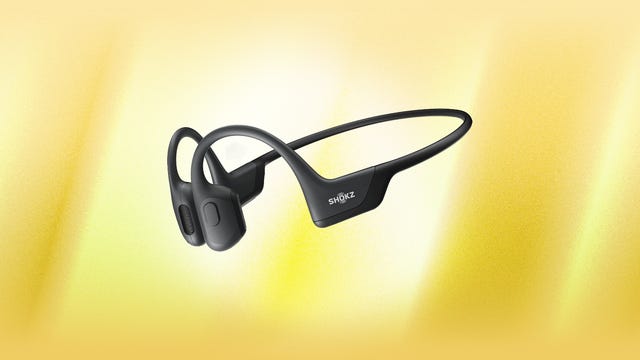
    The flagship model, the Shokz OpenRun Pro, are our top pick. They are on the pricey end with a retail price of $180, but you can save $40 on a set right now and nab them for their best price to date. They’re lightweight and feature an impressive 10-hour battery life, plus they’re IP55-rated for protection against sweat and rain. Importantly, they also sound great with improved bass performance compared to other bone-conduction headphones.

    If you don’t want to spend $140, the midrange OpenRun model is also on sale. Down to $100 from a $130 list price, this is the best price of the year so far. The OpenRun headphones don’t offer quite the level of sound quality as the Pro version, and the battery life is a little shorter at eight hours, but they do actually have a better water-resistance rating at IP67 making them ideal for intense workouts or activities like kayaking.

    And if you just want to give bone conduction headphones a try without committing a ton of cash, the entry-level Shokz OpenMove are the most affordable option in the sale at just $65. Usually $80, these aren’t a premium headphone option but we like them as a budget pick as they have decent sound quality, a comfortable fit, USB-C charging and up to six hours of battery life.

  • Create Your Own Personal Streaming Service With 20% Off a Lifetime Plex Pass

    Create Your Own Personal Streaming Service With 20% Off a Lifetime Plex Pass

    The streaming landscape is constantly changing, which means you can’t guarantee that you’ll always have access to your favorite shows and movies. But with Plex Plass, you can build your own digital media library, so you can take your collection of movies and shows, as well as music and photos, with you anywhere. And right now, you can save 20% on a lifetime pass with the promo code POWERGEEK, which drops the one-time cost down to just $96. This offer is only available for today, so be sure to get signed up soon if you don’t want to miss out on these savings.

    With Plex Pass, you essentially get to create your own individual streaming service. Once you upload your shows, movies or other digital media to your Plex server, you’ll be able to access them on any device with the Plex app, including your phone, laptop, tablet and smart TV. You can even download them to your devices for offline viewing wherever and whenever. Plus, it’s easy to stay organized with the ability to create your own custom collections. You also get some other features with a Plex Pass, including access to over 600 live TV channels, as well as a library of free shows and movies.

    And if you’re looking for more ways to save on streaming, you can check out our full roundup of all the best streaming service deals for even more bargains.

  • Meta’s Quest 3 Could Challenge Apple’s New Headset, Report Says

    Meta’s Quest 3 Could Challenge Apple’s New Headset, Report Says

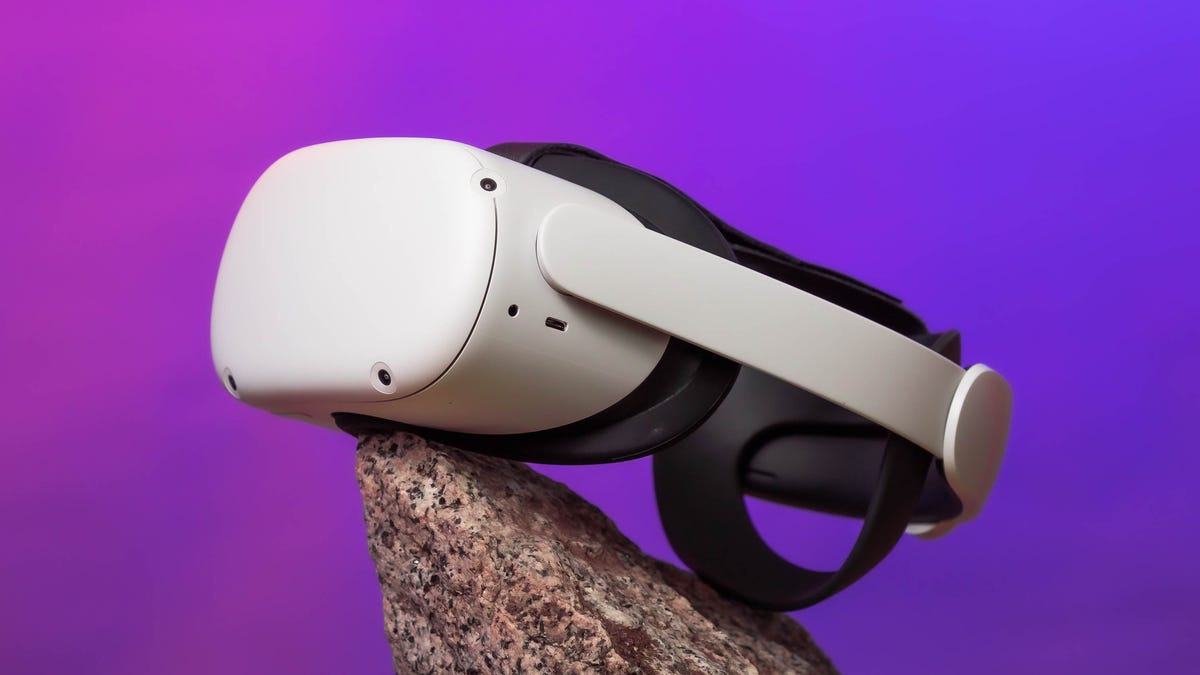
    Even though Meta’s Quest 3 hasn’t been announced yet, it’s already making waves in the mixed reality headset space. That’s according to Bloomberg’s Mark Gurman, who got a first look at the headset.

    By the looks of it, the Quest 3, the latest headset model, could challenge Apple’s new mixed reality headset that the iPhone maker will unveil in June and carve out its own portion of the AR/VR market, according to Bloomberg.

    Meta is expected to unveil the headset in October, months after Apple unveils a headset model of its own. With a price within the same range as the Quest 2 at around $400, Meta CEO Mark Zuckerberg has confirmed, the Quest 3 could be a cheaper competitor to Apple’s headset, which, according to industry experts, is likely to cost $3,000.

    “With headsets, Apple will immediately own the upscale market — headsets that cost more than $2,000 — but Meta will remain dominant in the cheaper segment,” Gurman said.

    Tech companies are investing in VR headsets, with plenty of models that have already arrived, from the PlayStation VR 2 to the Vive XR Elite. CNET’s Scott Stein has written that amid all the VR/XR hype, the star of 2023 could be the Quest 3. Stein also recommended waiting it out to buy a headset, if you’re in the market for one, until Meta releases its Quest 3 in fall.

    Gurman highlighted the Quest 3’s improved video pass-through capabilities in comparison with the Quest 2, its faster performance and large content library as a few reasons the product will come out on top of the headset rivalry. The headset doesn’t seem to have eye or face tracking features, as speculated.

  • Best AT&T Phones in 2023

    Best AT&T Phones in 2023

    You can get some of the best smartphones available on AT&T, including the likes of Apple’s iPhone 14 Pro, Samsung’s Galaxy S23 Ultra and Google’s great all-round flagship Pixel 7 Pro.

    But it isn’t just the most expensive, flashiest phones you can get, as AT&T also offers a great lineup of more affordable devices, including the Google Pixel 6A and the Samsung Galaxy A54 5G — both of which are 5G-enabled for taking advantage of those super fast data speeds.

    Read on to learn more about the best AT&T phone for meeting your particular smartphone needs, and check out our tips for how to buy a new phone.

    Advertiser Disclosure
    Advertiser Disclosure
    This advertising widget is powered by Navi and contains advertisements that Navi may be paid for in different ways. You will not be charged for engaging with this advertisement. While we strive to provide a wide range of offers, this advertising widget does not include information about every product or service that may be available to you. We make reasonable efforts to ensure that information in the featured advertisements is up to date, each advertiser featured in this widget is responsible for the accuracy and availability of its offer details. It is possible that your actual offer terms from an advertiser may be different than the offer terms in this advertising widget and the advertised offers may be subject to additional terms and conditions of the advertiser which will be presented to you prior to making a purchase. All information is presented without any warranty or guarantee to you.
    screen-shot-2016-08-02-at-1-09-02-pm.pngscreen-shot-2016-08-02-at-1-09-02-pm.png
    Watch this: What to Look for When Buying a Phone

    02:09

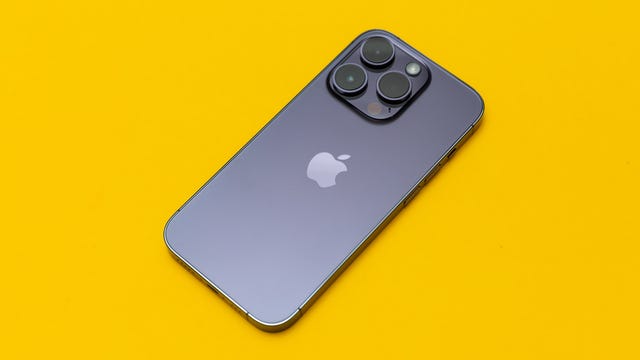
    A deep purple iPhone 14 Pro with three cameras pointing upward lies on a yellow backgroundA deep purple iPhone 14 Pro with three cameras pointing upward lies on a yellow background

    Stephen Shankland/CNET

    Apple’s iPhone 14 Pro and Pro Max introduce sweeping changes like the Dynamic Island, a new 48-megapixel camera system and Apple’s new A16 Bionic processor. All of these upgrades come together to make for an experience that feels fresh and fast compared to older generations.

    Read our Apple iPhone 14 Pro review.

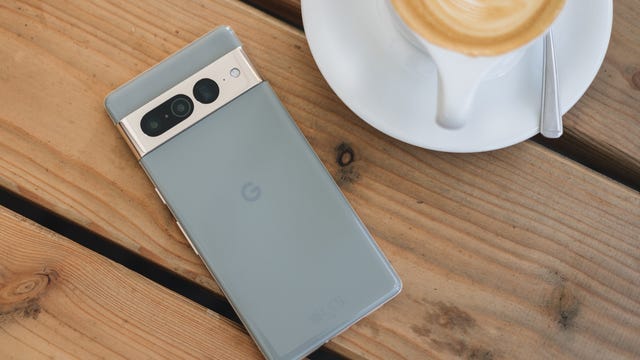
    Pixel 7 Pro face down on a wooden table next to a cup of coffeePixel 7 Pro face down on a wooden table next to a cup of coffee

    Google

    Google’s Pixel 7 Pro packs great cameras and slick software into a refreshed design that makes it one of the best phones launched in the last couple of years. We liked it so much we awarded it a CNET Editors’ Choice award for its combination of excellent all-round performance and slightly more affordable price.

    Read our Google Pixel 7 Pro review.

    You’re receiving price alerts for Google Pixel 7 Pro

    Samsung Galaxy S23 UltraSamsung Galaxy S23 Ultra

    James Martin/CNET

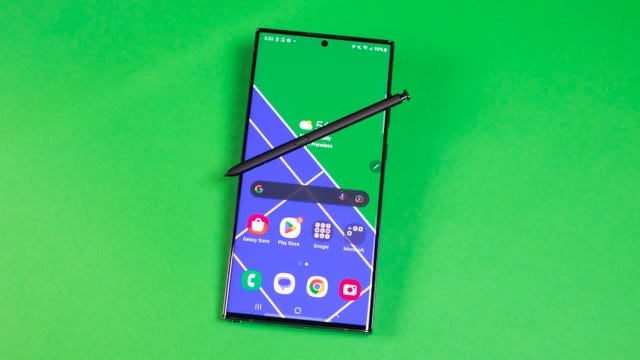
    The Galaxy S23 is a lot, but in a good way. It’s more than most people need in a phone, but that doesn’t make it any less impressive. Samsung made improvements to the camera’s resolution (200 megapixels compared with 108 megapixels), color tones and dynamic range, while retaining the same edgy design and massive 6.8-inch screen as its predecessor. There’s also a new Qualcomm Snapdragon 8 Gen 2 processor that’s been optimized specifically for Samsung’s phones, which brings faster performance compared with the Galaxy S22 Ultra.

    Starting at $1,200, it may be an understatement to call this phone expensive. But those willing to pay more for a giant screen and a high-quality, versatile camera won’t be disappointed. Read our full review of the Galaxy S23 Ultra.

    Google's Pixel 6A phone with app icons on the home screenGoogle's Pixel 6A phone with app icons on the home screen

    Lisa Eadicicco/CNET

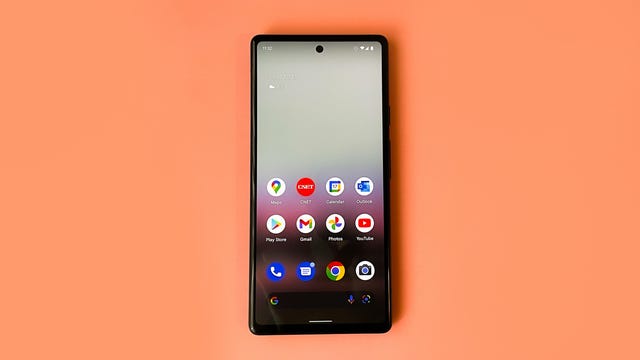
    Google’s Pixel 6A punches above its weight when it comes to camera quality, design and screen size. It’s the best under-$500 Android phone you can get, and though it’s not Google’s flagship, the 6A is all most people need in a phone.

    samsung-galaxy-a54-5g-cnet-review-7samsung-galaxy-a54-5g-cnet-review-7

    Andrew Lanxon/CNET

    Though it’s one of the cheapest phones you can buy from Samsung, the Galaxy A54 stills packs great features, like 5G connectivity, a decent multiple rear camera setup, solid battery life and power enough for your everyday essentials. It looks pretty, too, and it’s one of the few remaining phones that lets you expand the built-in storage using microSD cards.

    It’s a great all-round budget phone, although generally we found that the Pixel 6A offers better camera and processor performance, and it costs less than the Samsung.

    The Galaxy Z Flip 4 in Flex Mode in someone's palmThe Galaxy Z Flip 4 in Flex Mode in someone's palm

    Patrick Holland/CNET

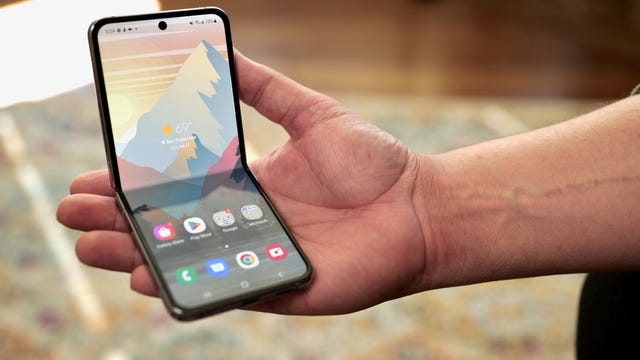
    With a candy-bar design that folds down on itself to become a smaller square, the Samsung Galaxy Z Flip 4 offers a much more compact footprint than the Z Fold 4. It makes it easier to slide into a tight pocket when not in use, but it still folds out to offer a sizable 6.7-inch display when you need it.

    Like the Z Fold 4, the Flip line has seen revisions over the years with improvements to its hinge system and reduction in crease marks in its display. It’s got a new camera system too, along with a larger outer display that shows incoming notifications.

    It’s pricey, sure, and its battery life could be better but it’s a fun phone and one we’ve enjoyed using.

    Read our Samsung Galaxy Z Flip 4 review.

    Motorola Moto G Stylus 5GMotorola Moto G Stylus 5G

    Sarah Tew/CNET

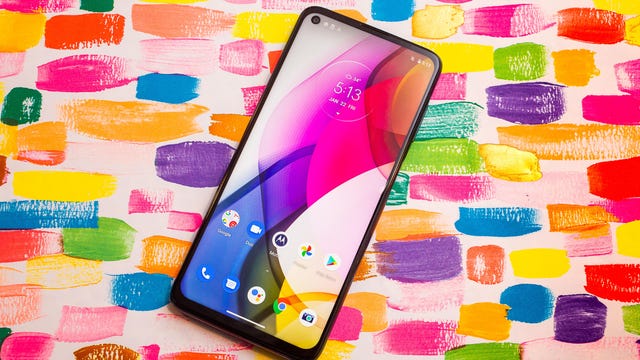
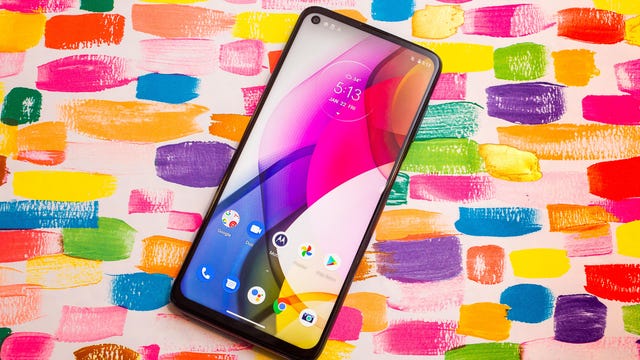
    If you’re looking for a good budget phone that comes with a basic stylus and support for 5G, then the Moto G Stylus 5 is a great pick. The cell phone features a stylus that you can store inside the phone along with a built-in Notes app to help with productivity. This phone also offers a triple-rear camera, 128GB of internal storage and a robust 4,000-mAh battery.

    Read our Moto G Stylus 5G review.

    More phone recommendations

  • Apple’s Mixed Reality Mystery Headset: What WWDC Needs To Discuss

    Apple’s Mixed Reality Mystery Headset: What WWDC Needs To Discuss

  • Intel’s Next PC Chip, Meteor Lake, Will Speed Up AI Later This Year

    Intel’s Next PC Chip, Meteor Lake, Will Speed Up AI Later This Year

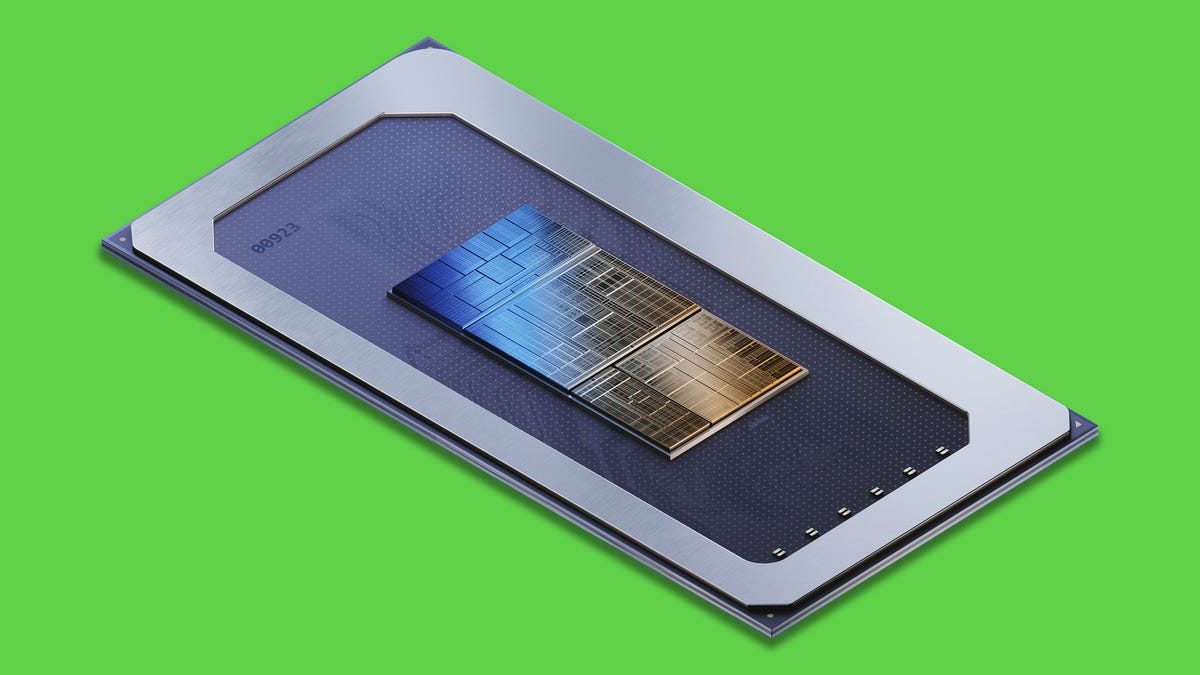
    Today’s most glamorous, attention-getting AI tools — OpenAI’s ChatGPT, Microsoft’s Bing, Google’s Bard and Adobe’s Photoshop, for example — run in data centers stuffed with powerful, expensive servers. But Intel on Monday revealed details of its forthcoming Meteor Lake PC processor that could help your laptop play more of a part in the artificial intelligence revolution.

    Meteor Lake, scheduled to ship in computers later this year, includes circuitry that accelerates some AI tasks that otherwise might sap your battery. For example, it can improve AI that recognizes you to blur or replace backgrounds better during videoconferences, said John Rayfield, leader of Intel’s client AI work.

    AI models use methods inspired by human brains to recognize patterns in complex, real-world data. By running AI on a laptop or phone processor instead of in the cloud, you can get benefits like better privacy and security as well as a snappier response since you don’t have network delays.

    What’s unclear is how much AI work will really move from the cloud to PCs. Some software, like Adobe Photoshop and Lightroom, use AI extensively for finding people, skies and other subject matter in photos and many other image editing tasks. Apps can recognize your voice and transcribe it into text. Microsoft is building an AI chatbot called Windows Copilot straight into its operating system. But most computing work today exercises more traditional parts of a processor, its central processing unit (CPU) and graphics processing unit (GPU) cores.

    There’s a build-it-and-they-will come possibility. Adding AI acceleration directly into the chip, as has already happened with smartphone processors and Apple M-series Mac processors, could encourage developers to write more software drawing on AI abilities.

    GPUs are already pretty good for accelerating AI, though, and developers don’t have to wait for millions of us to upgrade our Windows PCs to take advantage of it. The GPU offers top AI performance on a PC, but the new AI-specific accelerator is good for low power, Rayfield said. Both can be used simultaneously for top performance, too.

    Meteor Lake a key chip for Intel

    Meteor Lake is important for other reasons, too. It’s designed for lower power operations, arguably the single biggest competitive weakness compared with the Apple M-series processors. It’s got upgraded graphics acceleration, which is critical for gaming and important for some AI tasks, too.

    The processor also is key to Intel’s yearslong turnaround effort. It’s the first big chip to be built with Intel 4, a new manufacturing process essential to catching up with chipmaking leaders Taiwan Semiconductor Manufacturing Co. (TSMC) and Samsung. And it employs new advanced manufacturing technology called Foveros that lets Intel stack multiple “chiplets” more flexibly and economically into a single more powerful processor.

    Chipmakers are racing to tap into the AI revolution, few as successfully as Nvidia, which earlier in May reported a blowout quarter thanks to exploding demand for its highest-end AI chips. Intel sells data center AI chips, too, but has more of a focus on economy than performance.

    In its PC processors, Intel calls its AI accelerator a vision processing unit, or VPU, a product family and name that stems from its 2016 acquisition of AI chipmaker Movidius.

    These days, a variation called generative AI can create realistic imagery and human-sounding text. Although Meteor Lake can run one such image generator, Stable Diffusion, large AI language models like ChatGPT simply don’t fit on a laptop.

    There’s a lot of work to change that, though. Facebook’s LLaMA and Google’s PaLM 2 both are large language models designed to scale down to smaller “client” devices like PCs and even phones with much less memory.

    “AI in the cloud … has challenges with latency, privacy, security, and it’s fundamentally expensive,” Rayfield said. “Over time, as we can improve compute efficiency, more of this is migrating to the client.”

  • iOS 17 Should Steal These Android 14 Features

    iOS 17 Should Steal These Android 14 Features

    Apple’s Worldwide Developers Conference 2023 is set to begin on June 5, about a month after Google I/O 2023. Apple is expected to unveil iOS 17, the next version of its software for iPhones, at the event.

    In the US, iPhones recently wrestled the crown away from Androids as the most popular smartphone, but this comes after more than a decade of Android dominance. And Android reigns in the global market, usually by wide margins. In South America, for example, Android represents about 88% of all smartphones, and iPhones trail with about 11%, according to the IT site SOS Support.

    But for as long as Apple and Google have been fighting like Godzilla and King Kong for smartphone market superiority, they’ve also seemingly been stealing ideas from each other. For example, notification badges debuted on iPhones, and Androids had home screen widgets long before iPhones, according to Popular Science.

    Samsung Galaxy S23 UltraSamsung Galaxy S23 Ultra

    Apple and Android have seemingly been copying features from each other for years.

    James Martin/CNET

    That back-and-forth continued with Android 14, as Android phones seemingly copied iPhones again with an updated Find My Device feature and added unknown tracker alerts. We don’t know what Apple has in store for iOS 17, but we think the company should incorporate some of the new Android features into the software.

    Here are the new Android features I think Apple should include in iOS 17.

    More lock screen customization options

    Lock screen customization was one of the most substantial updates to land on iPhones when iOS 16 was released in September 2022. With iOS 17, I want to see Apple give iPhone users more customization options, like Google is doing with Android 14.

    Android 14 will let users change the size and design of their lock screen’s clock — in addition to its font type and color — and the software lets users add shortcuts to their lock screen. Changing your lock screen clock is nice — you can already change the font and color of your iPhone’s lock screen clock — but I’d really like to see Apple add the ability to edit or add to the shortcuts on the lock screen.

    I regularly use the flashlight shortcut, but I back-tap my iPhone to pull up the camera, so the camera shortcut doesn’t get used as much. Being able to change that shortcut to my Wallet app, or a search shortcut, would be great in iOS 17.

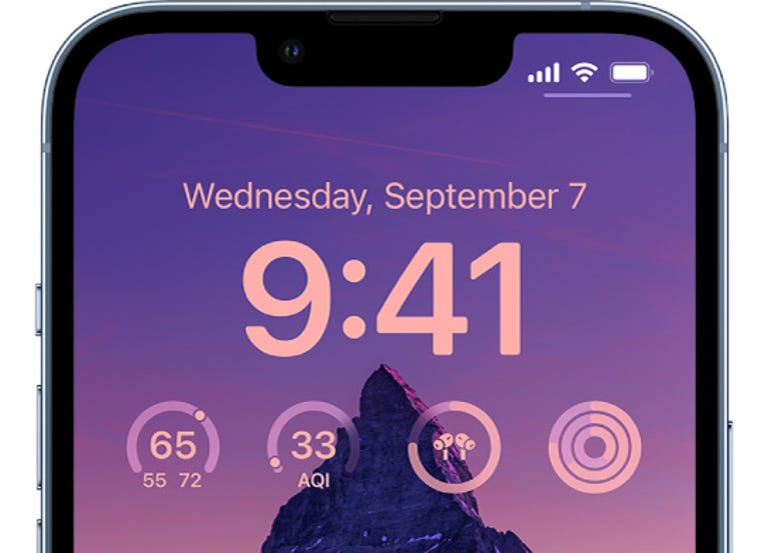
    iPhone lock screen with temperature, AQI, Air Pods and Activity rings widgetsiPhone lock screen with temperature, AQI, Air Pods and Activity rings widgets

    There are only four lock screen spaces for widgets in the current iOS.

    Apple

    It would also be nice if Apple added more widget spaces to the iPhone’s lock screen. With iOS 16, your iPhone has four grid spaces for widgets, and some widgets, like the Weather widget, take up two of those. It would be great if iOS 17 gave you at least four more grid spaces for widgets, giving you more ways to access your favorite apps.

    AI-generated wallpapers

    Android 14 will use artificial intelligence to let users create custom wallpapers. People will prompt their phone, which will use AI to generate a few wallpaper options. It would be great to see Apple roll out AI-generated wallpapers in iOS 17, but I’m not getting my hopes up.

    While other companies have begun developing their own AI tools, Apple hasn’t made any public announcements about developing, or partnering with another company to produce, such tools.

    “I do think it’s very important to be deliberate and thoughtful in how you approach these things,” Apple’s CEO Tim Cook said when asked about generative AI on the company’s earnings call.

    It’s possible Apple will introduce more AI tools and functions in iOS 17, like AI-generated wallpapers, but I wouldn’t expect it. I’d bet Apple will integrate AI tools into functions most people already use, like Siri, first.

    More emoji wallpaper customization options

    Google announced at its I/O 2023 event that certain Pixel phones will let you create custom wallpapers using emojis, but this isn’t exclusive to Android 14. Users will be able to choose up to 14 emoji, the color of the background and the layout the emoji are set in. But Apple already brought this feature to iPhones.

    iOS 16 lock screen with an emoji wallpaperiOS 16 lock screen with an emoji wallpaper

    Emoji wallpapers are already available on iPhones.

    James Martin/CNET

    To create a custom emoji wallpaper on your iPhone, go to Settings > Wallpaper > + Add New Wallpaper, and under the Emoji section are some premade emoji wallpapers. Tap any of these and you can edit what emoji are used, the layout and the color of the background. However, you can select only up to six emoji.

    It would be fun if Apple allowed you to use more emoji and gave you more than six layout options in iOS 17 to further customize these wallpapers.

    Cinematic wallpaper

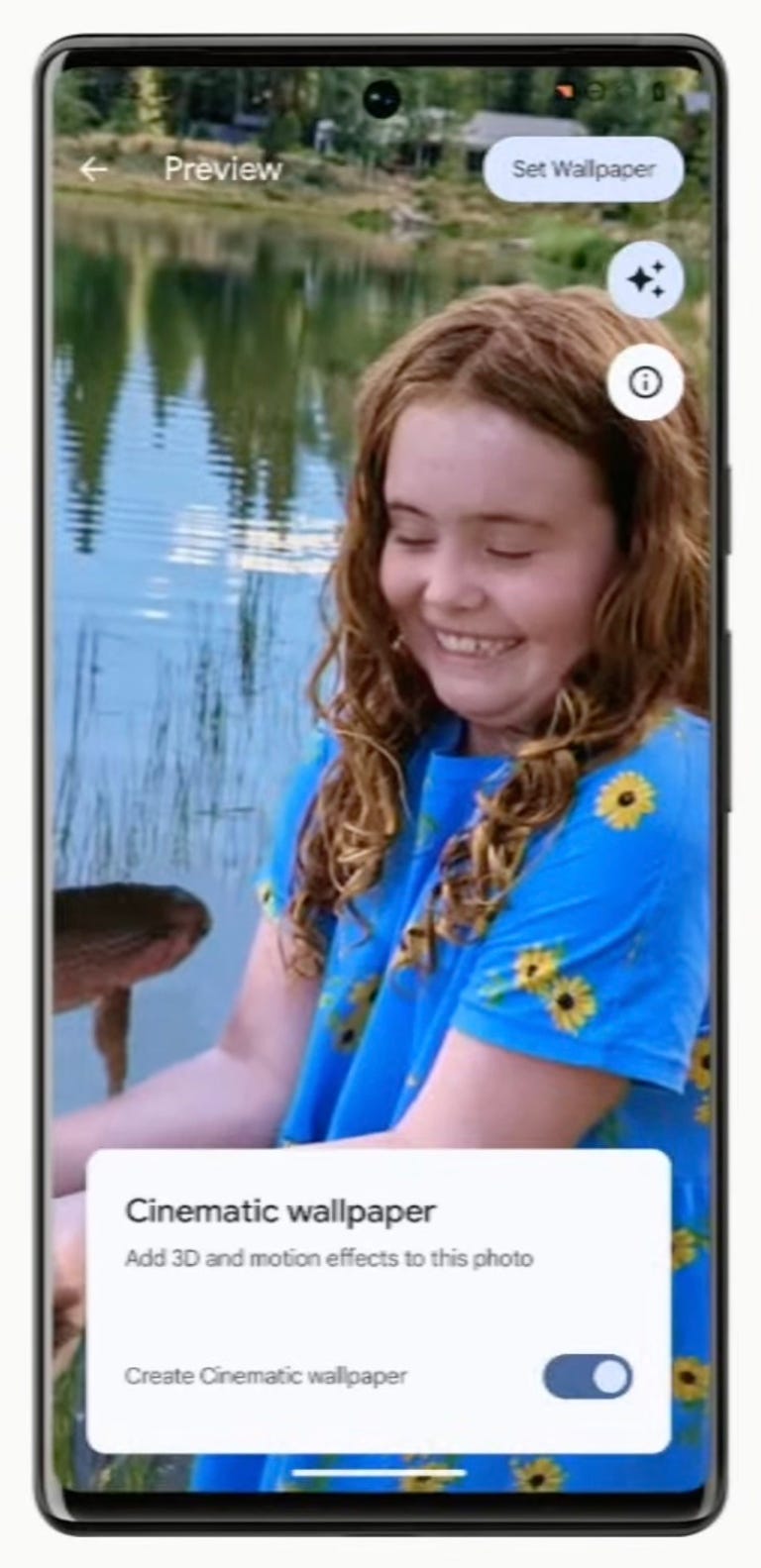
    Also not exclusive to Android 14, certain Pixel phones will let Android users create cinematic wallpapers. This feature will allow people to take a photo and give certain elements of the photo a depth effect. Once you’ve applied the effect, you can shift your Android device around and the wallpaper elements will shift around as well, making your wallpaper look three dimensional.

    Google's cinematic wallpaper feature for the PixelGoogle's cinematic wallpaper feature for the Pixel

    Cinematic wallpapers on Pixel devices will give certain wallpapers a three-dimensional look.

    Screenshot by CNET

    Apple introduced a similar lock screen feature in iOS 7, and this feature morphed into Perspective Zoom in some iOS 16 betas. However, the feature is no longer available in recent iOS 16 updates. Apple does let you apply a depth effect to your lock screen, but that just places your clock behind certain wallpaper elements. Enabling this also disables your lock screen widgets.

    Cinematic wallpapers on your iPhone would be a nice touch to include in iOS 17, and they’d make some wallpapers on your home and lock screen really stand out. And if Apple doesn’t allow cinematic wallpapers in iOS 17, it would be great if the company at least allowed widgets to work on your lock screen when your depth effect was turned on.

    For more iOS news, check out how iOS 17 could transform your iPhone into a smart home-esque display, what could be coming to your iPhone in iOS 16.6 and what new features you get in iOS 16.5.

    230524-clean-wwdc-what-to-expect230524-clean-wwdc-what-to-expect
    Watch this: Apple’s WWDC 2023: What We Expect

    06:55

  • Video Games Are Finally Waking Up to Climate Change

    Video Games Are Finally Waking Up to Climate Change

  • Best Android Phone of 2023

    Best Android Phone of 2023

    There’s certainly no shortage of choice when it comes to Android phones, whether you prefer Samsung, Google or OnePlus. Android devices come in a wide variety of sizes, shapes and prices, meaning there’s something for everyone. But having so many options also means the buying decision can be difficult. If you aren’t sure where to start, you’re in the right place: We’ve tested and researched all the best Android phones you can buy in 2023.

    A great phone should have high-quality cameras, long battery life, compelling software features and 5G support. We considered these factors when putting together our list of the best Android phones in 2023, which you can check out below. CNET’s team updates this list periodically as we review new products.

    What is the best Android phone?

    The Google Pixel 7 Pro sits at the top of our list of best Android phones, largely because it has some of the best cameras found on any phone sold today and represents one of the best values for your dollar on this list. The Pixel 7 Pro also packs a number of convenient features that are unique to it. There are calling tools like the ability to wait on hold and notify you when a representative becomes available. You can also sharpen old photos that are out of focus to make the subject look clearer. And then there’s the ability to automatically caption videos, podcasts, phone calls and more.

    Advertiser Disclosure
    Advertiser Disclosure
    This advertising widget is powered by Navi and contains advertisements that Navi may be paid for in different ways. You will not be charged for engaging with this advertisement. While we strive to provide a wide range of offers, this advertising widget does not include information about every product or service that may be available to you. We make reasonable efforts to ensure that information in the featured advertisements is up to date, each advertiser featured in this widget is responsible for the accuracy and availability of its offer details. It is possible that your actual offer terms from an advertiser may be different than the offer terms in this advertising widget and the advertised offers may be subject to additional terms and conditions of the advertiser which will be presented to you prior to making a purchase. All information is presented without any warranty or guarantee to you.

    There are plenty of other excellent choices out there, however, even though the Pixel 7 Pro is our current favorite.

    Best Android phones of 2023

    Pixel 7 Pro face down on a wooden table next to a cup of coffeePixel 7 Pro face down on a wooden table next to a cup of coffee

    Google

    Like:

    • Refreshed design looks great
    • Superb cameras
    • Clean and enjoyable interface

    Don’t like:

    • Battery life could be better

    Google’s latest flagship phone, the Pixel 7 Pro, isn’t a huge overhaul from the already excellent Pixel 6 Pro Google launched last year. But it’s taken that winning formula and made some key tweaks to almost every element, resulting in a superb phone that’s bliss to use. The refreshed camera can take stunning images too, earning its spot among the best flagship phones around. It typically sells for $899, but Google currently has it on sale for $150 off.

    Read our Google Pixel 7 Pro review.

    You’re receiving price alerts for Google Pixel 7 Pro

    Samsung Galaxy S23 UltraSamsung Galaxy S23 Ultra

    James Martin/CNET

    Like:

    • Fast performance
    • Excellent main camera
    • Bright screen
    • Included stylus
    • Double the storage in the base model
    • Four generations of Android OS updates

    Don’t like:

    • High price
    • Photos don’t always look natural
    • No improvements to fast charging

    The Galaxy S23 is a lot, but in a good way. It’s more than most people need in a phone, but that doesn’t make it any less impressive. Samsung made improvements to the camera’s resolution (200 megapixels compared with 108 megapixels), color tones and dynamic range, while retaining the same edgy design and massive 6.8-inch screen as its predecessor. There’s also a new Qualcomm Snapdragon 8 Gen 2 processor that’s been optimized specifically for Samsung’s phones, which brings faster performance compared with the Galaxy S22 Ultra.

    It may be an understatement to call this phone expensive: It starts at $1,200. But people willing to pay more for a giant screen and a high-quality, versatile camera won’t be disappointed. Read our Samsung Galaxy S23 Ultra review.

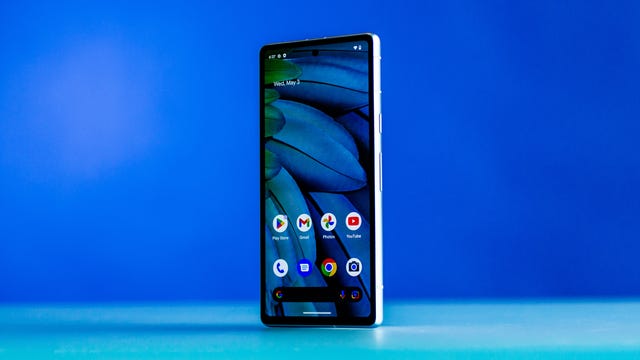
    Google's Pixel 7A phoneGoogle's Pixel 7A phone

    James Martin/CNET

    Like:

    • Excellent camera
    • Many of the same features as the Pixel 7 at a cheaper price
    • Attractive design
    • Gains wireless charging, face unlock and high refresh rate

    Don’t like:

    • Screen still looks dim outdoors
    • Higher price compared with Pixel 6A at launch
    • Only three generations of Android OS updates compared with Samsung’s four-generation pledge

    Google’s budget phone took a leap forward in 2023 with the Pixel 7A, which offers many of the same benefits as the Pixel 7 but at a cheaper price. Like the Pixel 7, the Pixel 7A runs on Google’s Tensor G2 processor, meaning it has many of the same photo editing and language translation features as its pricier sibling. The Pixel 7A’s 64-megapixel camera also takes excellent photos that rival the Pixel 7’s in quality.

    While we still like the Pixel 7, the Pixel 7A’s lower price makes it a better deal for most people. Only opt for the Pixel 7 if you really want a slightly larger screen and are willing to pay the extra $100 for it. Otherwise, the main differences between the Pixel 7 and 7A come down to the former’s more durable build, slightly faster charging and its ability to wirelessly charge compatible accessories. The Pixel 7 also has a larger camera sensor that’s more sensitive to light, according to Google, but CNET’s Lisa Eadicicco didn’t notice much of a difference.

    Read our Google Pixel 7A review.

    You’re receiving price alerts for Google Pixel 7A

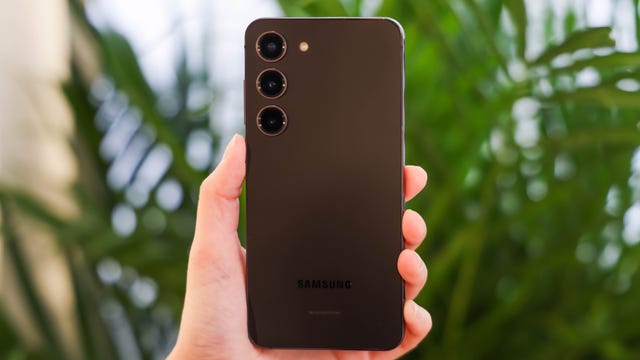
    back of Samsung Galaxy S23 phone, held up in front of a plantback of Samsung Galaxy S23 phone, held up in front of a plant

    James Martin/CNET

    Like:

    • Longer battery life
    • Attractive design
    • Four generations of Android OS updates
    • Fast performance

    Don’t like:

    • Cameras are basically the same as last year
    • Expensive
    • No improvements to fast charging
    • No upgrade to base storage

    Android fans looking for a petite phone don’t have much to choose from. But the 6.1-inch Galaxy S23 provides a compelling option for those who want a phone that feels compact but still provides enough screen space. The Galaxy S23 comes with routine upgrades like a fresh processor (a version of Qualcomm’s Snapdragon 8 Gen 2 that’s been optimized for Samsung’s phones), a slightly new design and a higher-resolution selfie camera. But it’s the Galaxy S23’s larger battery that makes it worth recommending. Read our Samsung Galaxy S23 review.

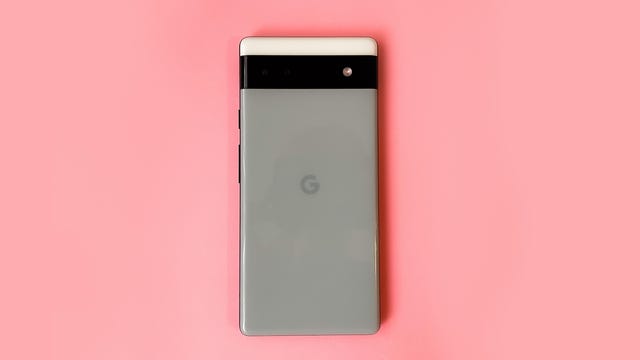
    The back of Google's Pixel 6A phoneThe back of Google's Pixel 6A phone

    Lisa Eadicicco/CNET

    Like:

    • Nice screen
    • Speedy performance
    • IP67 water-resistant
    • Affordable price

    Don’t like:

    • No wireless charging

    The Pixel 6A is a solid choice if you want 5G and a great camera on the cheap, especially at its new $349 price. This Pixel phone has the same Tensor chip that powers the Pixel 6, great rear cameras with many of Google’s shooting and editing tools, a 6.1-inch display and average battery life. At this price, it’s the best value you can get from an Android phone right now.

    Read our Google Pixel 6A review.

    Like:

    • Incredible performance for gaming
    • Slick, refreshed design
    • Hyper-fast charging
    • Five years of security support

    Don’t like:

    • Cameras are good but not great
    • Better waterproofing on rivals

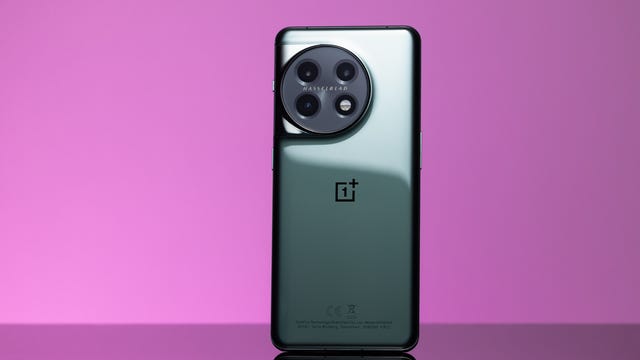
    The $700 OnePlus 11 is a powerful phone that’s well equipped to handle gaming, video streaming and other common tasks. In typical OnePlus fashion, this phone is also cheaper than the $800 Galaxy S23 and $900 Pixel 7 Pro. The cameras aren’t the best, but they’re fine for casual photographers who just want to capture their next vacation or a night out. What sets the OnePlus 11 apart from many of its rivals is its blazing 100-watt fast charging, which can replenish the battery in just 25 minutes. (The US version only supports 80-watt charging, but that’s still an improvement over the Galaxy S23 Ultra’s 45-watt charging). Overall, the OnePlus 11 is ideal for people who want a powerful phone that charges quickly and won’t break the bank. Read our full review of the OnePlus 11.

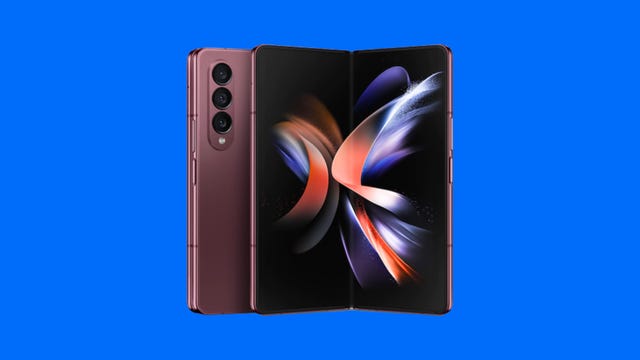
    Samsung Galaxy Z Fold 4 in burgundy unfolded displaying wallpaperSamsung Galaxy Z Fold 4 in burgundy unfolded displaying wallpaper

    Sarah Tew/CNET

    Like:

    • 120Hz cover screen
    • Water resistance
    • Enhanced tablet experience
    • Software improvements for multitasking and Flex Mode

    Don’t like:

    • $1,800 is still expensive

    Foldable phones haven’t really hit the mainstream, remaining instead only in the reach of those willing to spend top dollar on the latest in mobile innovation. Samsung’s Galaxy Z Fold 4 is the best folding phone around, offering top-notch performance, a great camera setup and a variety of tweaks to its folding technology that make this Android smartphone more desirable than its predecessor. Just keep in mind that Google will be launching the Pixel Fold shortly, and Samsung typically releases new foldable phones around the August timeframe.

    The Galaxy Z Flip 4 in Flex Mode in someone's palmThe Galaxy Z Flip 4 in Flex Mode in someone's palm

    Patrick Holland/CNET

    Like:

    • Fun, foldable design
    • High refresh-rate screen looks good
    • Main camera takes good photos in medium and low light

    Don’t like:

    • Cover screen needs more functionality
    • Battery barely gets through a day
    • Ultrawide and selfie cameras are just average
    • Price is high

    Samsung’s $1,000 Galaxy Z Flip 4 is the most portable and fun phone CNET’s Patrick Holland reviewed last year. It inherits the best parts of the Z Flip 3, like its pocketable flip phone-inspired design and Flex Mode, which makes it easier to use the phone when it’s propped open halfway. The Z Flip 4 also has a new image sensor, which improves image quality compared to the Flip 3, along with a bigger battery and newer processor.

    These improvements address some of the Z Flip 3’s biggest shortcomings, even though Samsung didn’t give us everything we wanted (like a larger cover screen). But all told, the Galaxy Z Flip 4 is a great choice for those who want a phone that’s more portable than almost anything else you’ll find on the market.

    Samsung also lowered Z Flip 3’s price when introducing the Z Flip 4 last year. For that reason, we previously recommended the Z Flip 3 over the Z Flip 4 since they share many similarities. But now that the Z Flip 3 is almost two years old, it’s a wise idea to invest in newer technology that will last longer if possible. That’s especially true if you can score a good trade-in deal on the Z Flip 4.

    Read our Samsung Galaxy Z Flip 4 review.

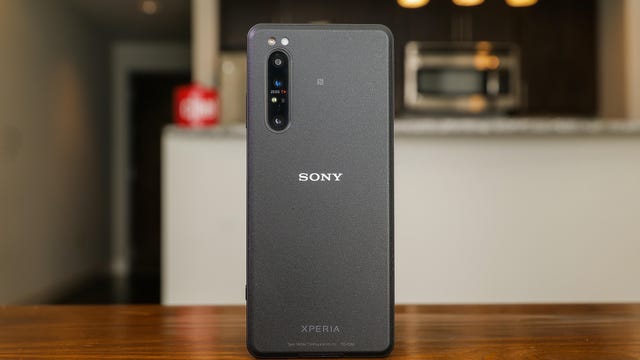
    The Sony Xperia ProThe Sony Xperia Pro

    Patrick Holland/CNET

    Like:

    • Professional level video monitor features
    • Robust utilitarian build
    • Live broadcast streaming over 5G
    • As a phone, it’s essentially the Sony Xperia 1 II

    Don’t like:

    • Price is high, limiting its narrow appeal
    • 2020 specs and Android 10
    • Can’t record video via HDMI input

    At a whopping $1,800 list price, the Sony Xperia Pro isn’t for everyone. But if you’re a photographer or videographer looking for professional-level camera phone features, you can’t go wrong. The Xperia Pro is essentially four products in one: a phone, a camera monitor, a speedy photo file transfer device and a 5G machine suitable for broadcasting and livestreaming.

    Read our Sony Xperia Pro review.

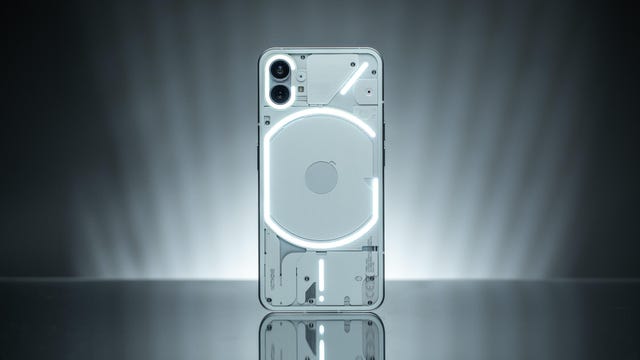
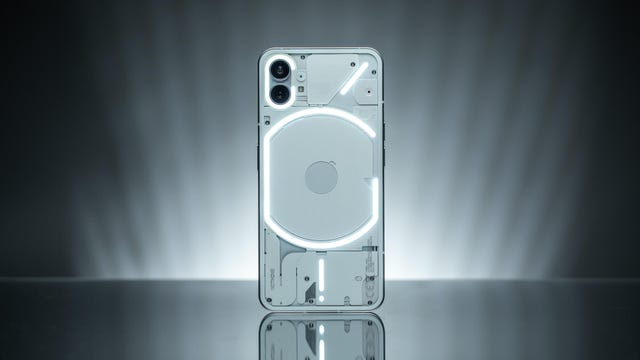
    Nothing Phone 1 with LEDs turned onNothing Phone 1 with LEDs turned on

    Andrew Lanxon/CNET

    Like:

    • Flashing design
    • Solid performance
    • Affordable price

    Don’t like:

    • Cameras are only OK
    • Not widely available in the US

    The Nothing Phone 1’s affordable price, solid performance and good-enough camera setup already make it a solid option to consider if you’re looking for an Android phone on a budget. But this phone takes the pizzazz up a notch with its suite of flashing LED lights on the rear, which certainly make it stand out against its competitors.

    It’s a great phone, which we enjoyed reviewing, but there is a downside: As of right now, there aren’t any plans to launch the phone widely in the US. You can get it unlocked on Amazon, but it’s GSM-only so it won’t work on Verizon. The company’s next phone, the Nothing Phone 2, will be coming to the US later this year.

    You’re receiving price alerts for Nothing Phone 1

    How we test phones

    Every phone on this list has been thoroughly tested by CNET’s expert reviews team. We actually use the phone, test the features, play games and take photos. We assess any marketing promises that a company makes about its phones. And if we find something we don’t like, be it battery life or build quality, we tell you all about it.

    We examine every aspect of a phone during testing:

    • Display
    • Design and feel
    • Processor performance
    • Battery life
    • Camera quality
    • Features

    We test all of a phone’s cameras (both front and back) in a variety of conditions: from outdoors under sunlight to dimmer indoor locales and night time scenes (for any available night modes). We also compare our findings against similarly priced models. We have a series of real-world battery tests to see how long a phone lasts under everyday use.

    We take into account additional phone features like 5G, fingerprint and face readers, styluses, fast charging, foldable displays and other useful extras. And we weigh all of our experiences and testing against the price so you know whether a phone represents good value or not.

    Read more: How We Test Phones

    Phone FAQs

    How reliable is an Android phone?

    Android phones come in all shapes and sizes. Prices range from just a couple hundred dollars for a basic smartphone to $1,800 for state-of-the-art foldable phones. All the phones on this list are durable, have an IP rating for water and dust resistance and years of software support.

    How long does an Android phone last?

    While every phone on this list varies in how many years of software support you get and how long you can extend the warranty, most should last you a few years if not more.

    More phone and Android recommendations