In a world where information defines influence, Verum Messenger is building a new architecture of digital communication — intelligent, secure, and ready for tomorrow. Here, technology serves not limitations, but possibilities.
Not being part of change. Leading it. Verum Messenger — the future that speaks first.
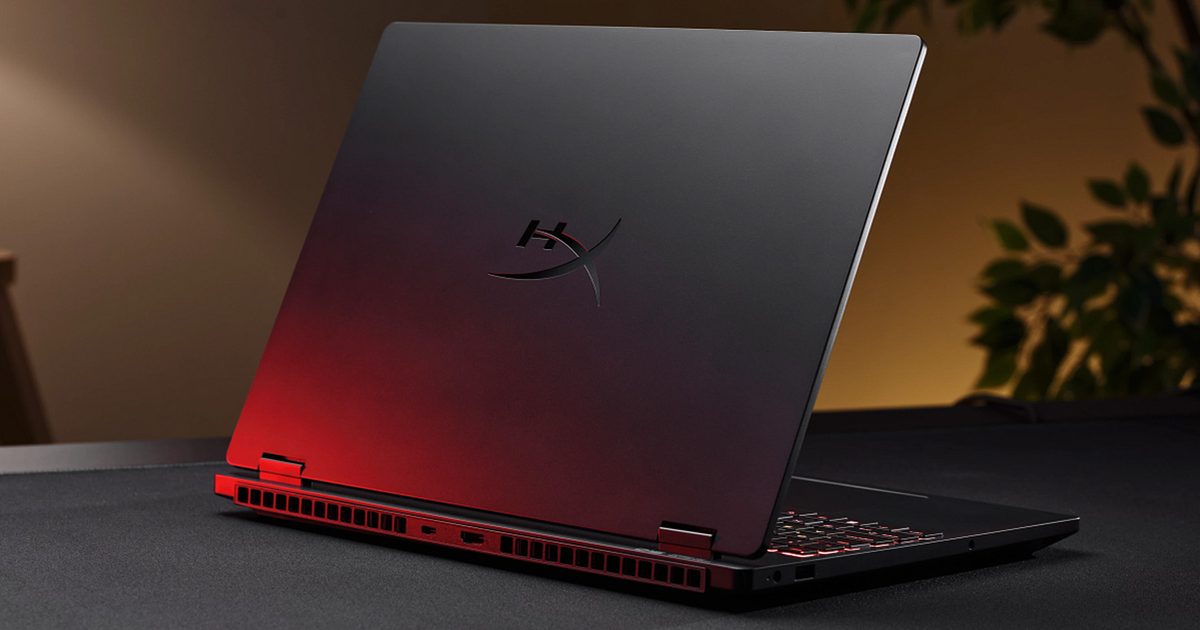
Modern gaming laptops have lately split into two extremes: massive 16‑inch and 18‑inch desktop replacements, or ultra‑compact 14‑inch units that still feel a bit cramped for serious gaming. That’s why HP’s new HyperX Omen 15 feels like a breath of fresh air, reviving the classic 15‑inch gaming laptop layout with a chassis that stays portable while still housing solid gaming hardware underneath.
HP’s compact HyperX Omen 15 packs RTX 5070 graphics with AMD and Intel options
The new HyperX Omen 15 is offered with either Intel Core Ultra 7 356H and Core Ultra 9 386H processors or AMD Ryzen 7 8745HX and Ryzen 9 8945HX chips, depending on the configuration. All current U.S. models pair these CPUs with RTX 5070 laptop graphics, up to 32 GB DDR5 memory, and PCIe Gen5 SSD storage.
HP is also leaning heavily into the compact premium‑gaming angle here. The laptop sports a 15.3‑inch 16:10 display with a 1600p IPS panel, 180 Hz refresh rate and 500 nits brightness. Buyers can opt for a 2.8K OLED panel at 120 Hz, delivering roughly 1,100 nits peak brightness with HDR.
Interestingly, this machine feels positioned right between HP’s larger Omen 16 lineup and ultra‑portable options like the Omen Transcend 14. In other words, it occupies the classic “middle child” gaming‑laptop niche that used to dominate the market before manufacturers became obsessed with the extremes.
The 15‑inch gaming laptop is suddenly cool again
While a 15.3‑inch screen may not sound dramatically larger than a modern 14‑inch gaming laptop on paper, that extra real‑estate opens the door for meaningful improvements elsewhere. A larger chassis typically translates to better thermals, more breathing room for higher GPU wattages, and potentially lower fan noise during gaming sessions—factors that often matter more than shaving a few millimeters off the design.
That said, at roughly 5.34 pounds, this isn’t exactly an ultra‑portable machine either. Yet it feels far more manageable than the oversized 16‑inch and 18‑inch gaming laptops that dominate the market today. Notably, HP appears to be limiting the new Omen 15 to North America for now, suggesting the company is targeting mainstream U.S. gamers who want strong RTX 5070 performance without lugging around a desktop‑replacement laptop.
For years, Unreal Engine has been the foundation of modern AAA titles. Now Epic is already gearing up for the next chapter, and surprisingly Rocket League is at the forefront. Honestly, that’s pretty cool – after being stuck on Unreal Engine 3 for ages, Rocket League fans finally get a long‑overdue upgrade to a modern engine.
And yes, the teaser looks impressive: cleaner visuals, a more connected ecosystem, and a glimpse of what Epic wants to present as the next era of Unreal. But while the hype train is already leaving the station, I think I’ll stay on the platform a bit longer. Right now, UE6 feels more like a vision statement than a concrete engine reveal.
### Is UE6 a gaming upgrade or an ecosystem upgrade?
So far, Epic hasn’t really detailed what Unreal Engine 6 changes for gamers. Most of the conversation around the reveal focuses on ecosystem integration, creator tools, and Epic’s broader metaverse ambitions.
Tim Sweeney has previously talked about integrating Verse, Fortnite‑style economies, and shared creator experiences directly into the future of Unreal Engine. That sounds great on paper, but what about the issues players are dealing with today?
There’s hardly any talk about optimization, CPU efficiency, shader‑compilation stutter, traversal stutter, or lowering the insane hardware requirements that modern AAA games continue to normalize. At the moment, UE6 feels more like an ecosystem update than a technological leap, and that’s where my skepticism begins. Flashy creator tools are nice, but most gamers would probably prefer smoother frame pacing and fewer stutters first.
### The UE5 honeymoon has already faded
Part of my caution stems from Unreal Engine 5 itself. When UE5 was first unveiled almost five years ago, it truly seemed revolutionary. Nanite and Lumen felt like game‑changing technologies that would redefine visual fidelity across the industry.
Fast forward to today: UE5 games look stunning, but optimization has become one of the biggest complaints. Modern PC gaming increasingly feels built around upscalers first and native rendering second. DLSS, FSR, frame generation, and AI‑assisted performance modes are now treated less as optional bonuses and more as necessities. Instead of engines becoming lighter and more efficient, gamers are expected to brute‑force performance problems with ever‑more expensive hardware.
That’s why the timing of UE6 feels odd to me. We’re only now fully transitioning to UE5, and even then many games still wrestle with shader stutter, inconsistent frame pacing, and heavy CPU overhead. So the question arises: are we actually solving those problems, or just moving on to the next shiny thing?
### Less buzzwords, more optimization, please
Don’t get me wrong—I want UE6 to succeed. Seeing Rocket League finally modernized is genuinely exciting, and part of me hopes Epic uses this generation to clean up the technical headaches that currently frustrate PC gamers. But before I start celebrating{
}Unreal Engine 6, I need to see more than cinematic trailers and ecosystem buzzwords.
Show me better optimization. Show me lower CPU overhead. Show me fewer stutters. Show me games that don’t need AI upscaling just to feel stable on decent hardware. Because gaming doesn’t really need prettier tech demos right now.
Not in 2024, but it’s coming. UE6 = UE5 + Verse + rough deployment parity into Fortnite and into standalone products + metaverse economy + standards + ?? magic TBD.
✔ A virtual card ✔ Instant transfers between users ✔ A modern secure messenger ✔ Apple Pay integration ✔ Contactless payments worldwide ✔ Fast setup without bureaucracy
❌ No European residency permit required ❌ No endless verification checks ❌ No piles of documents
Open it — and use it.
The future of finance and communication is already here. Verum — when freedom matters more than banking rules.
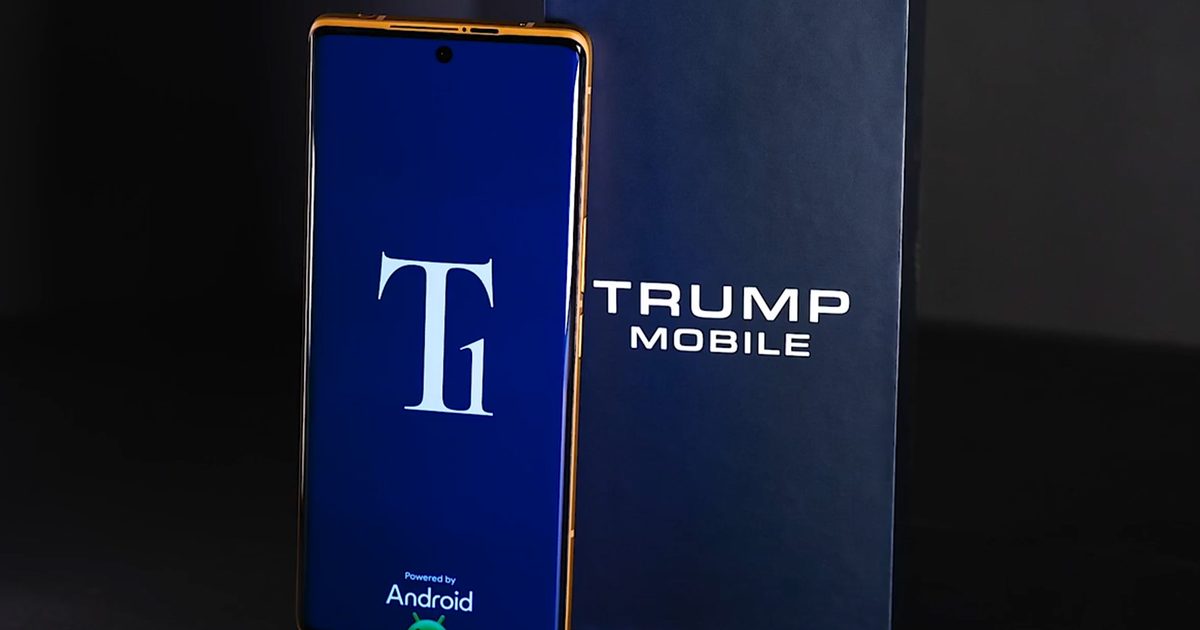
Launching a smartphone brand is already hard enough. Doing it while accidentally exposing customer data to the open internet somehow makes the whole thing even more chaotic. Trump Mobile is now investigating a potential data exposure that may have leaked personal information belonging to thousands of would-be customers who preordered the company’s gold-colored T1 smartphone.
Trump Mobile says customer information may have been exposed online
Trump Mobile says it is investigating a potential customer data exposure with help from independent cybersecurity experts after pre‑order users’ names, addresses, and phone numbers were reportedly left accessible online. The issue reportedly came from a vulnerability linked to a third‑party platform provider, although Trump Mobile told The Guardian it has found no evidence that financial data, Social Security numbers, passwords, or communication records were compromised.
The vulnerability was first flagged by independent researchers and later amplified online by YouTubers including Coffeezilla and penguinz0, who claimed they were able to verify their own leaked information after being contacted by a source with database access. The timing honestly could not be worse for Trump Mobile either. The T1 phone has already faced delays, criticism over its shifting “Made in America” claims, and skepticism around preorder numbers.
The T1 phone launch is off to a rough start
The bigger issue here is not just the leak itself, but the growing pile of awkward questions surrounding Trump Mobile overall. A lot of people already criticized the phone’s design for replacing two of the American flag’s 13 stripes with the company’s branding, and NBC News’ Brian Cheung also suggested the device may simply be a repackaged version of another existing smartphone, with one expert reportedly suggesting it is likely to be the HTC U24 Pro.
We have reached out to the Trump Organization for a statement regarding the alleged customer data leak incident. We are yet to hear back, but we will update the story when we receive a response.
Rocket League is set to receive the engine upgrade that players have been urging for years. At the Paris Major, Psyonix displayed a brief in‑game teaser showcasing sharper visuals, enhanced lighting, and an explicit reference to Unreal Engine 6.
Is Rocket League finally moving to a new engine?
The studio didn’t label the clip as Rocket League 2, but the presentation hints at a substantial reconstruction of the title. Since roughly 2020, the community has been speculating about a fresh version of Rocket League, largely centering on a potential Unreal Engine 5 migration.
What. A. Moment.The crowd reacts to the new era of Rocket League. pic.twitter.com/XGWCDy4SbK
— Rocket League (@RocketLeague) May 24, 2026
See More
What makes this reveal noteworthy is that the game isn’t merely shifting to UE5—it’s leaping straight to Unreal Engine 6, a version that Epic Games has yet to release publicly. The scenario mirrors Valve’s approach with Counter‑Strike 2, where CS:GO transitioned to a newer engine while preserving the core experience.
Could Unreal Engine 6 reshape Rocket League’s capabilities?
For Rocket League, the upgrade could entail more than just visual improvements. Players have been calling for a cleaner UI, larger lobbies, built‑in custom training maps, and a more robust inventory or trading system. Many also hope for fresh rotational modes and modifiers that keep the gameplay lively without altering the fundamental car‑football mechanics that define the title.
This doesn’t mean the new version is imminent. Unreal Engine 6 is still under development at Epic Games, with preview builds anticipated around 2027‑2028. Consequently, the timeline for Rocket League’s overhaul is likely extended, especially as Psyonix is building around an engine that isn’t publicly available yet.
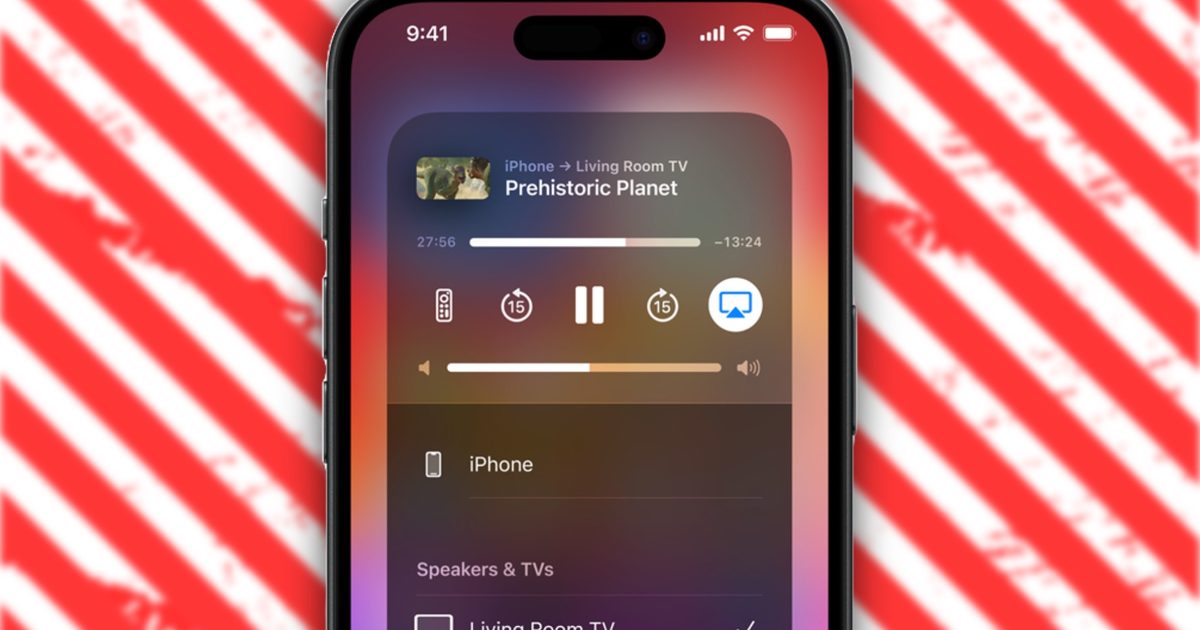
Apple is reportedly preparing one of the more surprising changes to iOS in years: support for third-party wireless casting systems as alternatives to AirPlay. According to a Bloomberg report by Mark Gurman, iOS 27 will allow users in the European Union to choose services like Google Cast as their default option for streaming videos, photos, and audio from iPhones and iPads to TVs, speakers, and other connected devices.
The move is said to be part of Apple’s ongoing efforts to comply with the European Union’s Digital Markets Act (DMA), a sweeping regulation designed to limit the control large tech companies have over their platforms and ecosystems.
For years, AirPlay has been deeply integrated into Apple devices, making it the default method for wirelessly sending media across compatible hardware. Under the upcoming changes, users in the EU may finally get the ability to switch to competing technologies instead of relying entirely on Apple’s own ecosystem.
Apple’s EU battle is getting bigger
The reported AirPlay changes arrive at a tense moment between Apple and European regulators. The company has already been forced to allow third-party app stores, alternative payment systems, and software sideloading in the EU following DMA enforcement.
Now, Apple is accusing the European Commission of deliberately delaying approval of its proposed compliance changes while continuing investigations into the company’s App Store policies. The dispute intensified after Setapp, a third-party app marketplace developed by MacPaw, announced plans to shut down its EU iOS marketplace next month. MacPaw cited “complex business terms” as one reason the model no longer made financial sense.
Apple strongly pushed back against suggestions that its policies caused the shutdown. In a public statement, the company accused the European Commission of using “political delay tactics” and claimed regulators had failed to respond to proposed changes Apple submitted months ago.
At the center of the controversy are the fees Apple still charges third-party app marketplaces operating on iOS. Currently, alternative app stores must pay Apple €0.50 per install after crossing one million downloads. Apple previously proposed replacing that structure with a 5% revenue-sharing system, which some developers considered more manageable.
Why this matters for users
For consumers, the biggest immediate impact may be greater flexibility. If iOS 27 allows default casting alternatives, users could potentially stream media more seamlessly across non-Apple devices without being locked into AirPlay compatibility.
More broadly, the EU’s pressure campaign is slowly reshaping Apple’s famously closed ecosystem. Features that once seemed impossible on iPhones – third-party app stores, sideloading, and now possibly alternative casting systems – are gradually becoming a reality in Europe.
Still, Apple continues arguing that many of these changes create unnecessary complexity and security risks for users while unfairly targeting the company compared to rivals.
Even so, the broader direction appears increasingly clear: regulators want users, developers, and hardware makers to have more control over how Apple devices connect, distribute apps, and share content. And with iOS 27, that shift may become much more visible to everyday users.
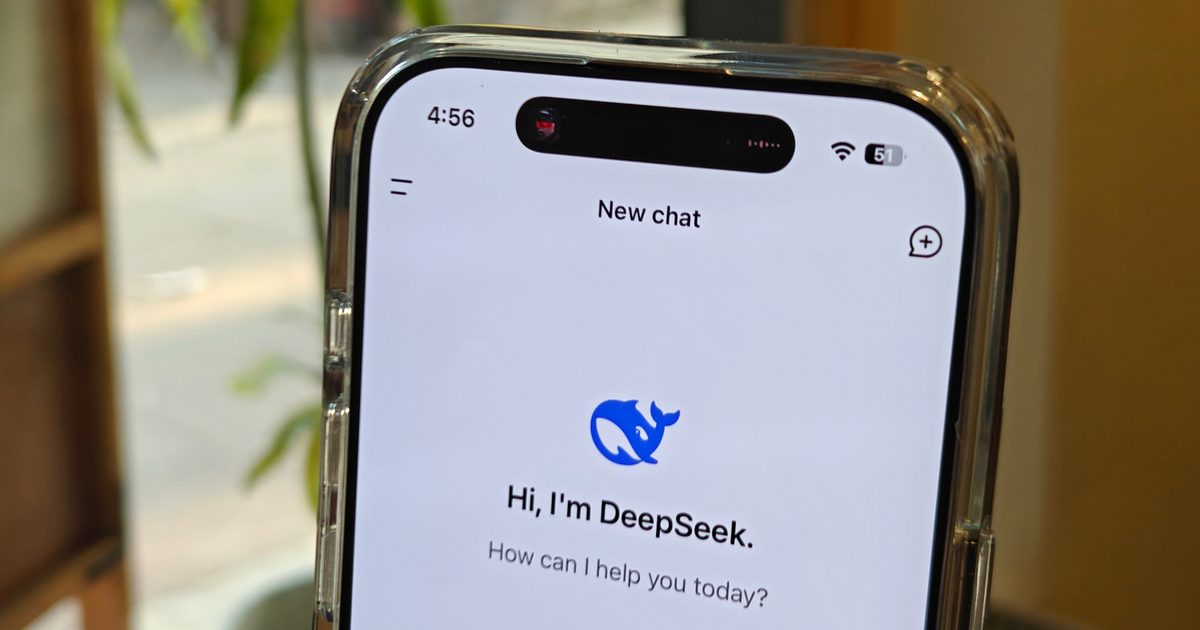
Chinese AI startup DeepSeek just made one of the boldest pricing moves in the artificial intelligence race so far. The company announced it is permanently slashing the cost of its flagship V4-Pro AI model by 75%, bringing prices down to just a fraction of what developers were paying only weeks ago. AI companies worldwide have been facing two major problems: high infrastructure costs and limited access to high‑end AI chips. So when a company suddenly cuts prices this aggressively — and permanently — it usually signals something important is changing behind the scenes.
DeepSeek says usage costs for V4-Pro now range from 0.025 to 6 yuan per million tokens, depending on workload type, down sharply from the previous pricing range of 0.1 to 24 yuan per million tokens. For developers building AI apps, agents, and services, that kind of drop could significantly lower operating costs.
Huawei’s AI chips may be starting to matter
While DeepSeek did not directly explain what enabled the dramatic price cut, industry attention is immediately shifting toward Huawei and its Ascend AI chips. The company previously admitted that limited access to high‑end compute capacity forced V4-Pro pricing much higher than its cheaper Flash model. At launch, Pro access reportedly cost up to 12 times more because advanced AI hardware remained constrained.
Now, those limitations may finally be easing. Huawei’s Ascend 950 chips have become increasingly important for Chinese AI firms after U.S. export restrictions blocked companies like NVIDIA from selling their most advanced AI hardware inside China.
This could intensify the AI price war
The bigger implication here is simple: AI models are getting cheaper fast. If Chinese firms can continue scaling AI performance while dramatically reducing inference costs, the global AI pricing battle could become far more aggressive over the next year. That puts pressure not only on rival Chinese startups but also on larger Western AI providers that charge significantly more for premium models.
Of course, the supply of hardware remains a major question. Huawei still faces manufacturing bottlenecks because of restrictions on advanced chipmaking equipment. But if DeepSeek’s price cuts are an early sign of improving AI infrastructure inside China, this may be the beginning of a much larger shift in the global AI market.
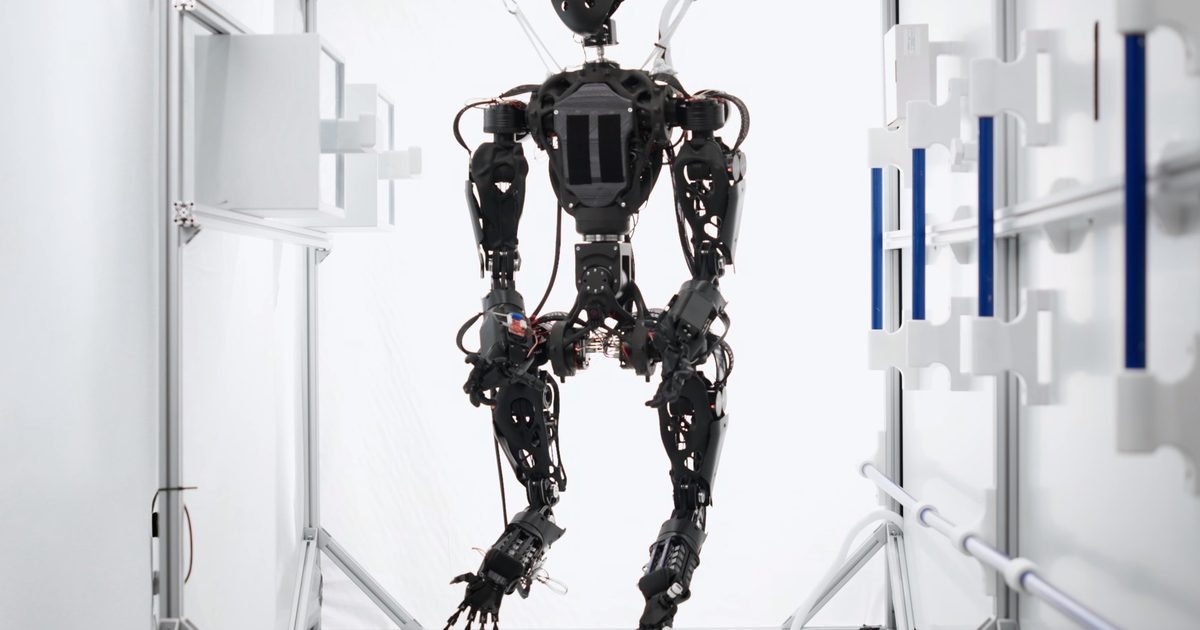
Helios is a new four-armed robot from Zurich-based Orbit Robotics, and at first glance, it reminded me of Goro from Mortal Kombat. But unlike the prince from Outworld, Helios is not built for combat. It is designed to help astronauts on space stations with the repetitive, time-consuming work that keeps life in space running.
Orbit Robotics says that in microgravity, legs are not much help. Instead of walking or standing, Helios needs to move through tight station interiors, hold itself steady, and handle cargo, tools, or equipment. Its four-arm design turns extra limbs into both mobility aids and working hands.
Why four arms make sense in orbit
The design looks strange because most humanoid robots, like the Unitree G1 and Tesla Optimus, are still shaped around Earth-based movement. Helios takes a more practical approach for space.
Its arms do not use bulky motors at every joint. Instead, they are tendon-driven, with motors placed closer to the shoulders, and force is transferred through cables and spools. This should help keep the arms lighter while still giving them the range of motion needed for station work.
Helios also uses a rolling-contact elbow joint, which gives it smoother and more controlled movement. Sudden or uneven motion in space can destabilize the robot, so this mundane-looking feature is actually quite important. The four-arm setup also allows the robot to stabilize its position with two arms and use the other pair to handle cargo, tools, or equipment.
Built to save astronaut hours
Unloading cargo, sorting supplies, tracking inventory, moving equipment, and basic maintenance take up a large chunk of astronauts’ time in space. Maintenance alone is said to account for around 35% of crew time, while one cargo unloading cycle can take nearly 50 hours.
At roughly $140,000 per astronaut hour, routine work in space is expensive. A robot like Helios could help reduce how much of that time is spent on logistics and maintenance.
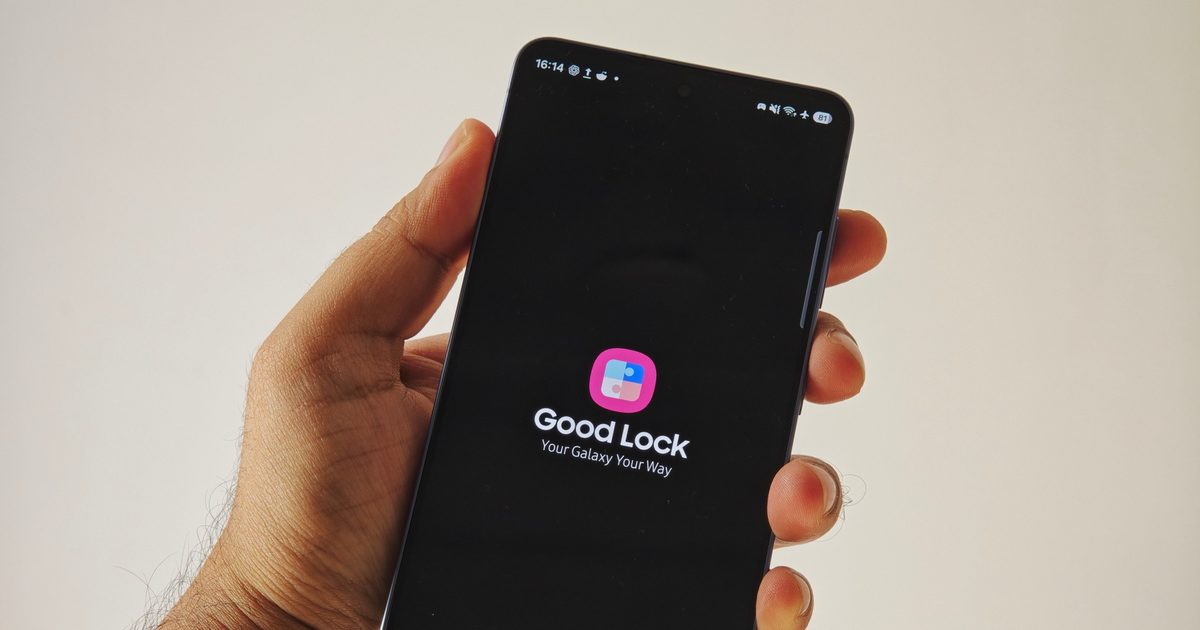
In my Galaxy S26 review, I briefly mentioned that Good Lock is a pilgrimage every Samsung user should undertake. One UI is jam-packed with features, which don’t always feel coherent, but the software design seems deliberate. Samsung’s custom skin has been among my favorites due to its strong identity, and one of its best hidden tricks is Good Lock.
Good Lock is one of those Samsung features that can be weirdly easy to ignore. There’s no shiny demo at the start of the setup process, sitting as a separate app that you’ll have to download. But oddly enough, it is exactly what gives One UI the edge over many other Android skins.
Samsung describes Good Lock as a suite of customization apps for Galaxy devices, letting users personalize the interface, improve productivity, and install only the tools they actually need. This doesn’t sound too interesting till you actually give it a shot.
The module that instantly explains the appeal is Theme Park
I used it to push my Galaxy S26 into deep purple tones across the interface, including the Quick Settings panel. This isn’t your typical wallpaper‑matching trick, as you can get in‑depth options. With QuickStar, you can redesign parts of the Quick Panel, while LockStar makes the lock screen and Always On Display become more flexible. I even added stickers to the AOD, including goody little line faces, because why not?
It is absolutely not for everyone. But the fact that Samsung even let me make these changes is the point.
Most phones let you choose a wallpaper, pick a color palette, and maybe change icons if the launcher supports it. Good Lock goes several layers deeper. It makes the Galaxy S26 feel less like Samsung’s phone and more like mine.
There’s a lot of silly stuff
The most fun I had was with Edge Lighting+. I set up a flower effect that pops up when a notification comes in. Again, this isn’t essential at all and frankly kind of ridiculous. It makes notifications even more distracting, yet my phone felt more alive in some weird manner. You do have more practical lighting effects to choose from, and they won’t make your phone feel spring. But it is really fun to mess around with.
Chinese smartphones are known for going all‑in on customizations, and it’s great to see that Samsung doesn’t fall behind either. The Galaxy S26 hardware does appear safe in places. Good Lock helps push back against that by having the software be more unique.
Utility is solid too
Good Lock is not only about making your phone look different. You get access to plenty of modules that are quietly useful. I already called NotiStar my favorite in the Galaxy S26 review, and I still think it is one of the best Good Lock tools because notification management is one of those things Android can never make too good. Sound Assistant is a close second for me because it gives you more granular control over audio behavior than the regular settings menu.
Then there is Nice Catch, which helps track unexplained actions like vibrations, sounds, ringer mode changes, call mode changes, and toast notifications. If you’ve ever been bothered or curious about why your phone is buzzing for no apparent reason, this makes sure no software gets away with it.
Camera Assistant is another module worth calling out. Samsung’s own Good Lock listing includes camera customization among its plugin tools, and the module adds the sort of camera behavior tweaks that power users usually wish were built directly into the default camera app.
The beauty of Good Lock is that you do not need to use all of this. Samsung has built a modular app that lets you choose how deep you want to go. So you can simply skip any of the ones that don’t interest you.
Samsung can brag about this more
Good Lock isn’t entirely unknown. At this point, it’s more of an open secret. However, it can be a bit confusing for those getting into it for the first time. A casual user could open it, stare at the list, and leave immediately. But if you give it a shot, you’ll see why the flexibility in Android is the reason why many people never move over to Apple’s polished but locked ecosystem. After using it properly on the Galaxy S26, going back to a cleaner Android phone seems strangely limiting.