The quest to couple up and capture the hearts of the TV-viewing public resumes, with an all new season of Love Island about to hit TV screens around the globe.
This latest summer installment of the hot reality show will bring together a new batch of hopefuls to an idyllic Balearic mansion in Mallorca, Spain, with model-turned-TV presenter Maya Jama once again serving as host.
Among the singletons heading into the villa are semi-pro soccer player Tyrique, Irish real estate agent Catherine and Beautician Ruhee.
Don’t miss a moment of the steamy drama by following our guide to watching Summer Love Island 2023 from anywhere in the world.
When does Summer Love Island 2023 start?
It depends on where you live.
In the UK, season 10 of Love Island (UK) starts on Monday, June 5. New episodes are set to be broadcast every day at 9 p.m. BST on ITV2 in the UK, (That’s 1 p.m. PT and 4 p.m. ET in the US and 6 a.m. AEST the next day in Australia), with Saturday night’s episodes featuring “unseen bits” from the week’s action.
Outside the UK, it’s also available in Australia on Channel 9’s on-demand service, 9Now.
For US viewers, there’s set to be a bit of a wait, with no confirmed air date or broadcaster. However, we expect to see the season 10 episodes appear on Hulu a couple of weeks after they’ve aired in the UK.
How to watch Summer Love Island 2023 from anywhere on VPN
So what if you’re traveling outside your home country and want to enjoy the show or want an added layer of privacy for streaming? There is an option that doesn’t require searching the internet for a sketchy website: You can use a VPN, or virtual private network.
With a VPN, you’re able to virtually change your location on your phone, tablet or laptop to get access to the show. If you find yourself unable to watch locally, a VPN can come in handy. Plus, it’s a great idea for when you’re traveling and find yourself connected to a Wi-Fi network and want to add an extra layer of privacy for your devices and logins.
Most VPNs, like CNET’s Editors’ Choice, ExpressVPN, make it easy to virtually change your location. Looking for other options? Be sure to check out some of the other great VPN deals.
ExpressVPN is our current best VPN pick for people who want a reliable and safe VPN, and it works on a variety of devices. It’s normally $13 per month. But you can save 49% plus get three months of access for free — the equivalent of $6.67 per month — if you get an annual subscription.
Note that ExpressVPN offers a 30-day money-back guarantee.
Fans in the UK can watch every episode of Love Island season 10 for free. The show is exclusive to ITV, with episodes shown every evening on ITV2 at 9 p.m., UK time. You’ll also be able to watch the show online for free via the network’s on demand streaming service ITVX (formerly ITV Hub) from anywhere.
Channel 9’s on-demand service, 9Now, has been the place to watch Love Island (UK) in the past and that’s the case for this season, which starts on June 7 in Australia. That means Aussies will need to avoid spoilers on social media as they’ll be a couple of days behind the UK.
While no US broadcaster is currently confirmed to show season 10 of Love Island in the US, the smart money is on Hulu. The service has previously shown past seasons in the States, albeit a couple of weeks behind the UK, and that’s how we’re expecting things to pan out again this time.
New Hulu subscribers can take advantage of a Hulu free trial for 30 days on its With-Ads or No-Ads plan. After the trial ends, the service will set you back $8 a month. There’s also the option of the Disney Plus bundle with Hulu thrown in from $10 a month.
Tips for streaming the Summer Love Island 2023 using a VPN
With four variables at play — your ISP, browser, video streaming provider and VPN — experience and success may vary.
If you don’t see your desired location as a default option for ExpressVPN, try using the “search for city or country” option.
If you’re having trouble viewing after you’ve turned on your VPN and set it to the correct viewing area, there are two things you can try for a quick fix. First, log in to your streaming service subscription account and make sure the address registered for the account is an address in the correct viewing area. If not, you may need to change the physical address on file with your account. Second, some smart TVs — like Roku — don’t have VPN apps you can install directly on the device itself. Instead, you’ll have to install the VPN on your router or the mobile hotspot you’re using (like your phone) so that any device on its Wi-Fi network now appears in the correct viewing location.
All of the VPN providers we recommend have helpful instructions on their main site for quickly installing the VPN on your router. In some cases with smart TV services, after you install a network’s app, you’ll be asked to verify a numeric code or click a link sent to your email address on file for your smart TV. This is where having a VPN on your router will also help, since both devices will appear to be in the correct location.
And remember, browsers can often give away a location despite using a VPN, so be sure you’re using a privacy-first browser to log into your services. We normally recommend Brave.
With iOS 17, iPhone owners could also gain the ability to sideload apps, according to a different Bloomberg report. Sideloading means you can download an app on your iPhone without using Apple’s App Store. The potential inclusion is likely meant to ensure compliance with new European regulations due to kick in next year.
Watch this: iOS 17 Features Apple Needs to Add for the iPhone
08:03
While I find those rumors fun to ponder, they can also be a distraction from the many other things I think Apple needs to add or improve in iOS. The additions I want range from significant changes, like adding support for the Apple Pencil for Pro Max and Plus models, to smaller, quality-of-life improvements, like adding a volume button to the iPhone’s virtual Apple TV remote. We have to wait until WWDC kicks off later today to see what actually unfolds, but here’s my iOS 17 wish list.
Bring ‘Visual Look Up’ to the Camera app
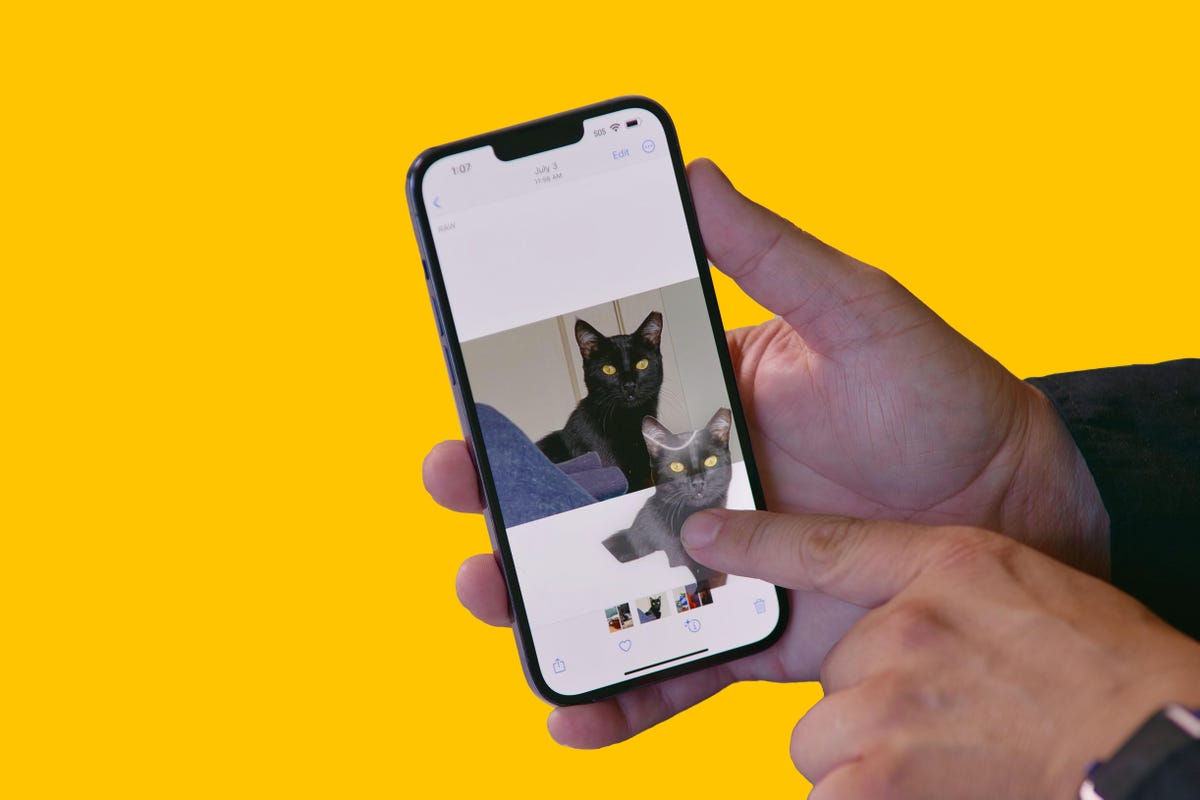
In iOS 16, Visual Look Up got a nifty shortcut that lets you cut out the subject of a photo just by tapping and holding on the image.
Celso Bulgatti/CNET
Visual Look Up launched with iOS 15 in 2021 and can recognize objects in your photos such as plants, food, landmarks and pets. In iOS 16, Visual Look Up expanded to let you lift an object out of a photo or PDF by tapping and holding, essentially creating a sticker you can share with others.
But there’s a catch. Visual Look Up works only after you take a photo. I hope iOS 17 lets you do the same thing straight from the camera viewfinder. For example, if the camera were open and pointed at flowers, I could tap the Visual Look Up icon to see what kind of flowers they were without taking a photo of them. You can do that with Live Text, and Google Lens does something similar on Android phones. I realize this isn’t a radical change, but it would streamline things a bit.
Add a volume button to the iPhone’s Apple TV remote
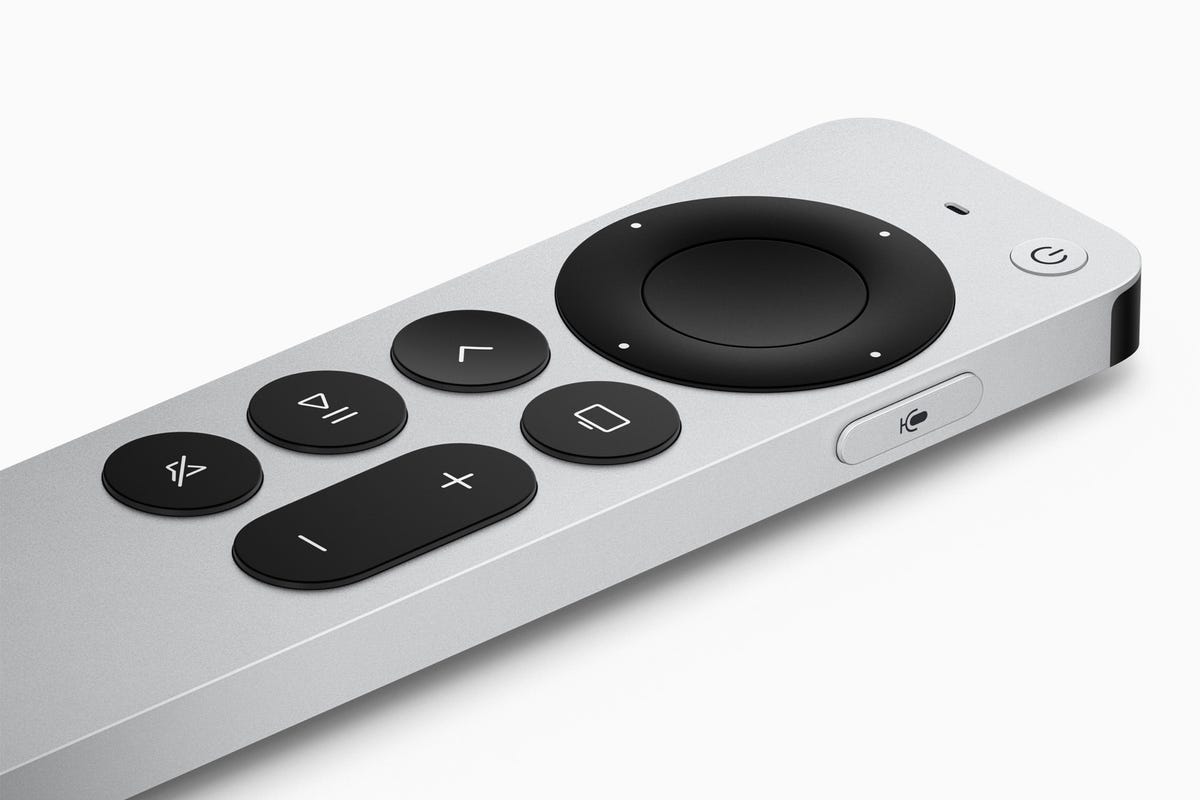
Sometimes you lose this little guy and need to use your iPhone to control your Apple TV.
Apple
If you own an Apple TV, you’ve no doubt misplaced the tiny minimalist aluminum remote control at some point. Fortunately, you can use a virtual remote on your iPhone to do nearly everything the physical Siri remote does, except change the volume. Apple, please add a volume button to the iPhone’s Apple TV remote.
Technically, when you use the Apple TV remote on your iPhone, you can press the physical volume buttons to control the TV volume. But this doesn’t work on every TV’s audio receiver, such as mine. I’d guess there are many people who, like me, just want the virtual remote on the iPhone’s screen to mimic the physical remote’s button layout; most importantly including the button for volume.
Bring fitness tracking to the iPhone
You can start workouts from your Apple Watch, but not from your iPhone (without a third-party app).
James Martin/CNET
If you’re an Apple Watch user, you understand the convenience of recording a workout. But if you aren’t wearing your watch or don’t own one, there isn’t a way to record basic exercises like walking, running or cycling without a third-party app. I’d like to see Apple expand the Fitness app so you can record workouts even without a Fitness Plus membership.
Add a pro camera app
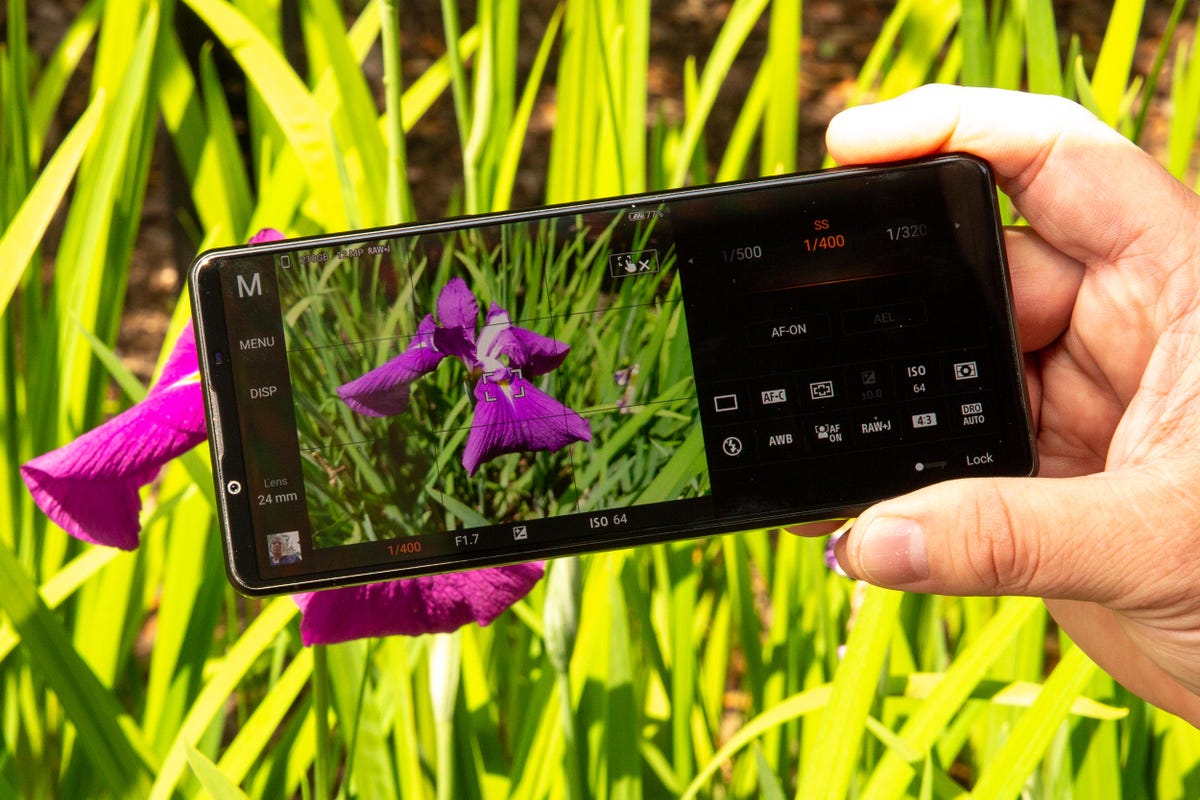
The Photo Pro app on Sony Xperia 1 and 5 series phones gives you an interface that looks identical to a professional mirrorless camera.
Sarah Tew/CNET
It’s time for Apple to revisit the iPhone’s Camera app. For years, it was the gold standard of simplicity, offering a “see what you get” preview for photos, videos and effects with minimal, easy-to-navigate controls and modes. But as Apple has added more functionality, especially for ProRaw photos and ProRes video recording on iPhone Pro models, the Camera app has started to feel cramped. It tries to remain a one-size-fits-all app at the expense of higher-end features like manual camera controls.
I’d like Apple to make a separate pro camera app, along the lines of how it created a standalone app for classical music. Apple Music Classical tackles the special challenge of categorizing, searching for, and discovering classical music, something the default Apple Music app isn’t geared toward. Similarly, the pro camera app could be a place for creative types to access camera controls, settings and features beyond those in the basic camera app. Sony has been quite successful with this sort of approach in its Xperia 1 and 5 series phones, and Samsung has a separate Expert Raw app to complement its main one. Now it’s Apple’s turn.
Let me customize the Dynamic Island
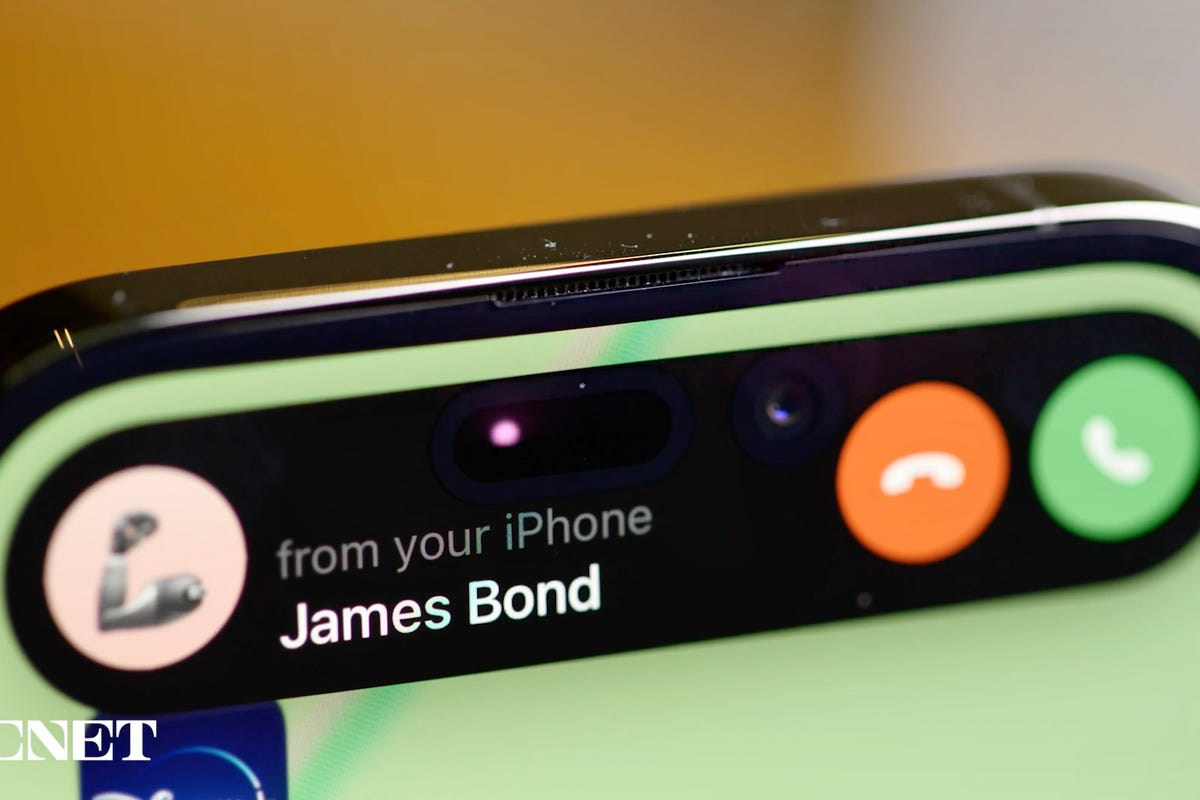
The Dynamic Island was a great addition to the iPhone 14 Pro and 14 Pro Max.
Celso Bulgatti/CNET
The Dynamic Island works well. It’s like having a shortcut at the top of your screen no matter what you’re doing on your iPhone. Glancing at my Uber ride status from my lock screen or in the Dynamic Island just makes sense. But I want more from the Dynamic Island, especially if iPhone 15 rumors are right and non-Pro iPhone models get it too. I’d like to see Apple let people customize their own Dynamic Island in a curated way.
In 2016, with iOS 10, Apple rolled out the iMessage app store for stickers and games. I don’t think we need a Dynamic Island app store, but something like the ability to pin a Memoji sticker as a Dynamic Island icon would be great. Admittedly, as creative-minded as I am, I don’t have a brilliant example of exactly what I want. I just think the Dynamic Island is another way people could make their iPhone feel more personal. Customization was a big theme with Android this year at Google I/O, with the introduction of AI and cinematic wallpapers. Of course, Apple could view the Dynamic Island like it does Apple Watch faces and want to control how it’s changed, instead of letting people go hog wild.
Add Apple Card functionality to other credit cards
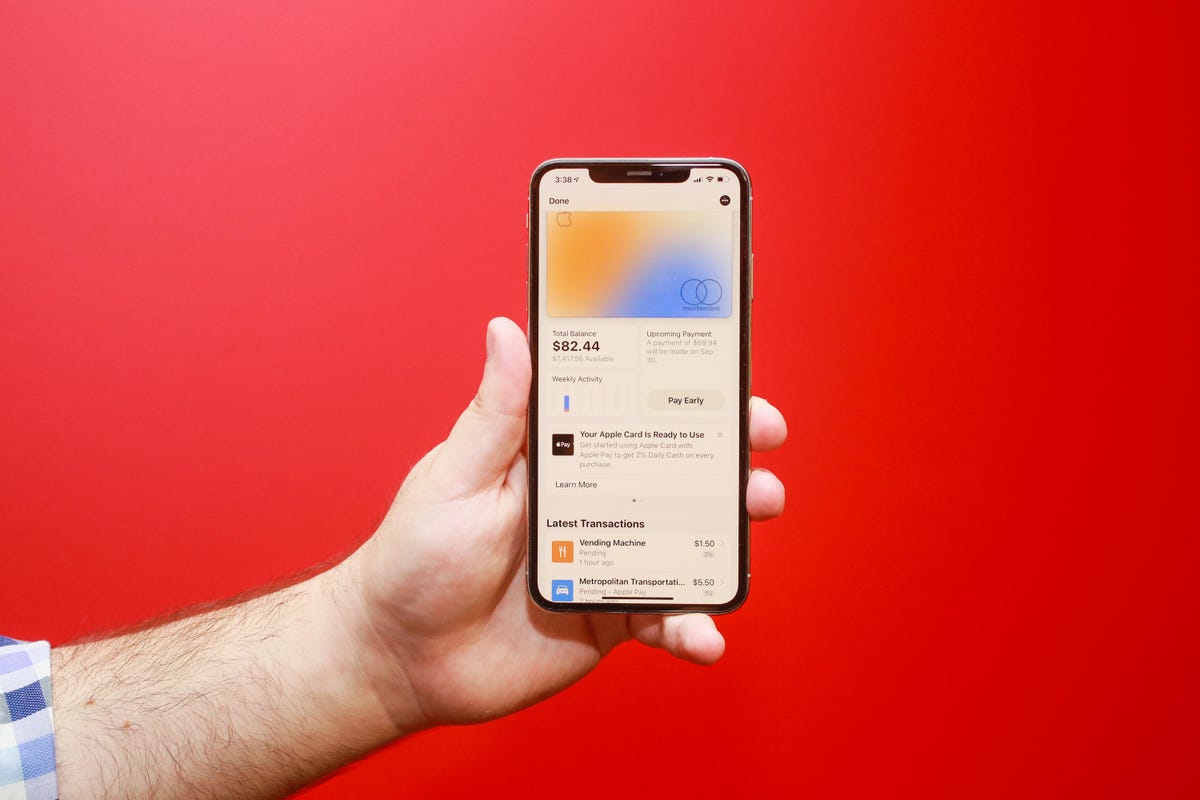
The Apple Card lives on your iPhone.
Sarah Tew/CNET
If you have an Apple Card, you get to experience one of the best mobile financial experiences on any phone today. Apple’s signature credit card lives virtually in the Wallet app. At first glance, it appears like any other Apple Pay card. But when you tap its digital avatar, you see the card’s balance, rewards, upcoming payment info, and transactions. I’d like Apple to open that functionality to non-Apple credit cards.
If your Bank of America credit card is in Apple Pay and you have the Bank of America app on your phone, wouldn’t it be great to access similar functionality in the Wallet app? Expanding access would be convenient for iPhone owners and could bolster Apple Pay and the iPhone’s Wallet as serious financial tools.
Make widgets interactive
Widgets can be pinned to your home screen and resized to your liking.
Apple
Widgets on the lock screen and home screen can do two things: show information (like the weather) and launch the corresponding app when tapped (e.g., the weather app). Widgets haven’t changed much since Apple introduced them with iOS 14. It’s time for a refresh.
What if you could use the podcast widget like a mini-podcast player, or order your favorite burrito bowl straight from Chipotle’s widget? Adding more functionality to widgets could make it easier to multitask on the iPhone.
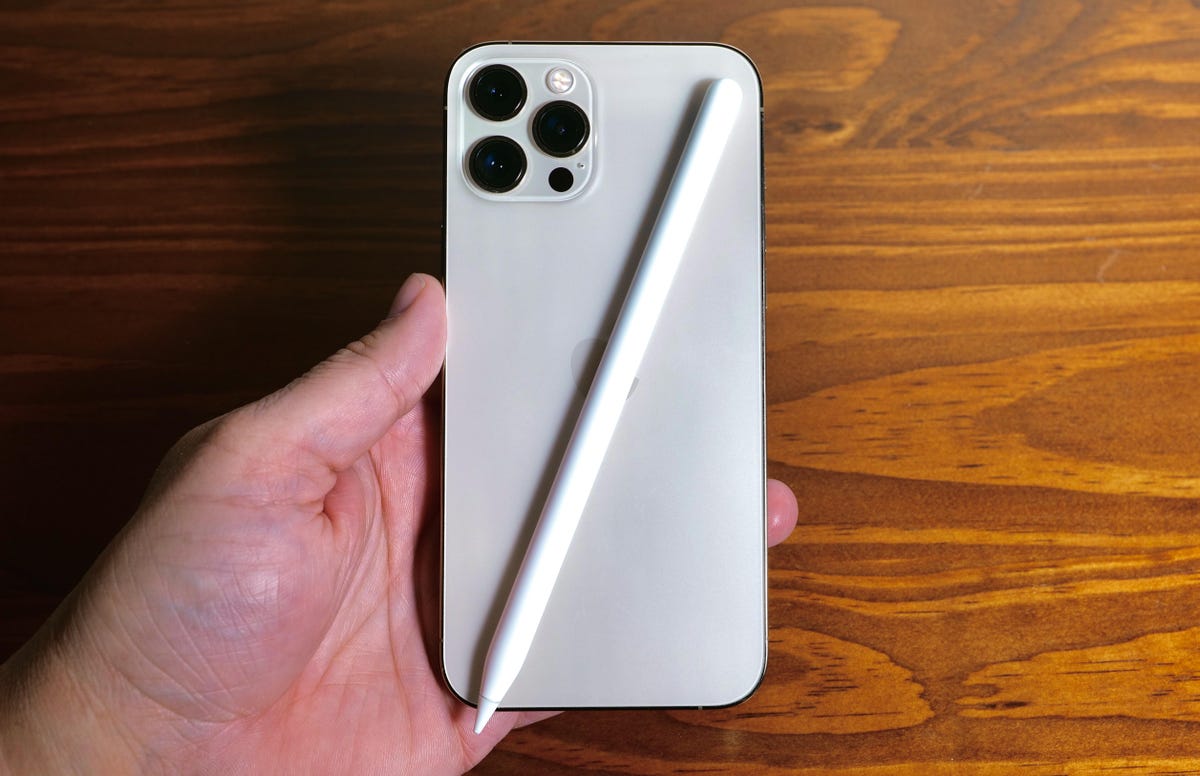
Add Apple Pencil support
What if you could use an Apple Pencil on the iPhone?
Patrick Holland/CNET
I’ve been writing iPhone and iOS wish lists for years, and one addition that’s made my roundup every time is adding Apple Pencil support to the iPhone, specifically for Pro Max and Plus models. The 6.7-inch screen isn’t that much smaller than the 8.3-inch screen on the iPad Mini. But one supports Apple Pencil functionality and the other doesn’t.
Also, if iOS 17 did include Pencil support, Apple could make a smaller version of its stylus and call it the Apple Pencil Mini. Maybe it could attach to the back of the iPhone Pro Max or Plus using MagSafe?
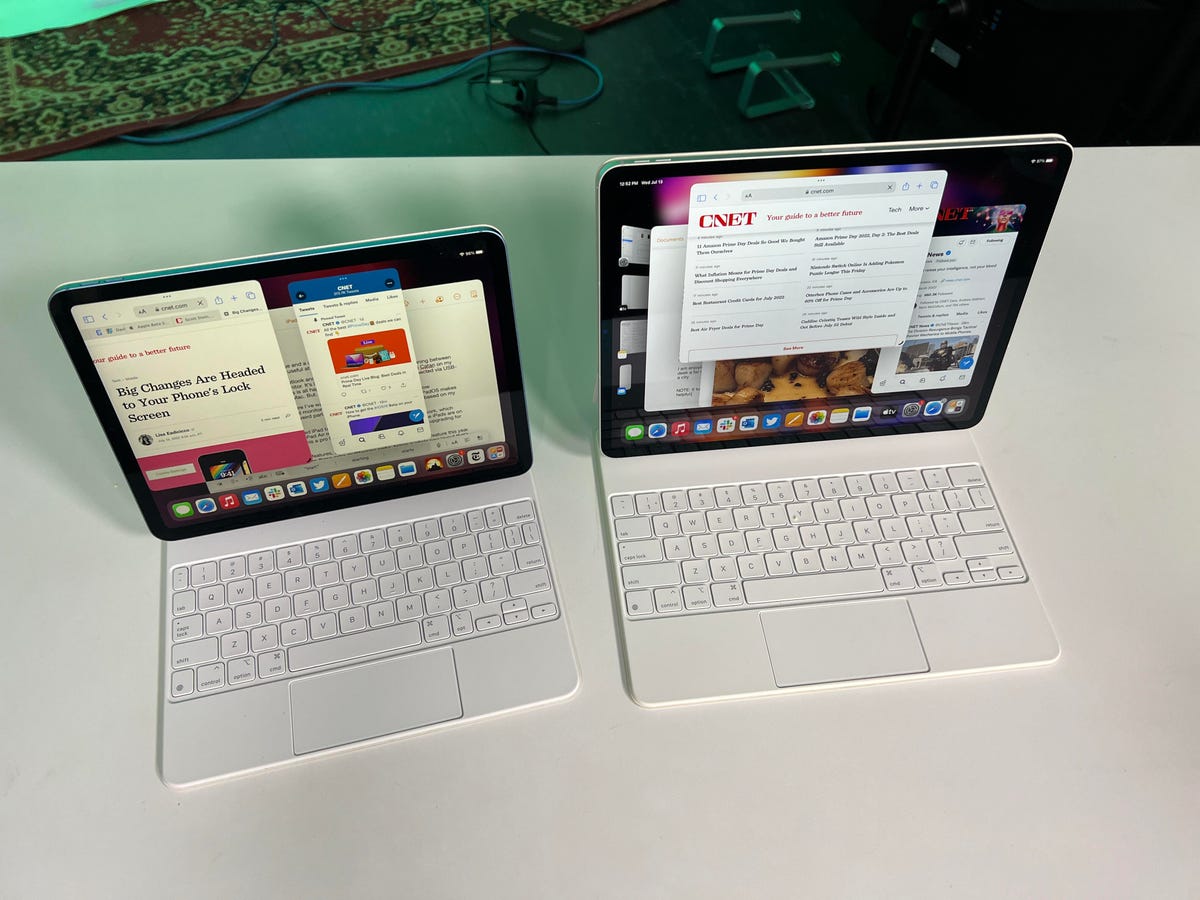
Bring the iPad’s split-screen view to iPhone Pro Max models
The multiple windows on the iPad and iPad Pro.
Scott Stein/CNET
The iPhone Pro Max has been part of Apple’s lineup since 2019. The 11 Pro Max has a 6.5-inch screen, while the 12 Pro Max, 13 Pro Max and 14 Pro Max all have a 6.7-inch display. Last year, Apple introduced the iPhone 14 Plus, which also has a 6.7-inch screen. Those large screens feel wasted when it comes to software. Some iOS apps like Mail and Messages can take advantage of the extra space in landscape orientation to show a column of message previews next to the currently opened message. But otherwise, there isn’t much else in iOS that’s optimized for big iPhone screens.
I’d like Apple to bring some iPadOS features to iOS 17 just for Pro Max and Plus models, especially its split screen multitasking view. It would be wonderful to have Safari open on one side of the phone and launch Messages on the other.
Revisit ease of use vs. security
Some iPhone owners are being targeted for an unusual crime.
Apple
Earlier this year, The Wall Street Journal’s Joanna Stern and Nicole Nguyen ran a series of stories about how a thief who steals your iPhone and knows its passcode can lock you out of the most important parts of your digital life. This crime isn’t widespread, but Stern and Nguyen showed that it’s more common than you might think.
At the core of the issue is the balance between security and ease of access. The same tools Apple put in place to help people who get locked out of their devices and accounts are being used by savvy criminals to lock people out of their phone and accounts while gaining access to their money and services. There’s been a bunch of coverage on the topic in recent months, and it sounds like these tools help far more people than the criminals who take advantage of them.
I don’t think there’s an easy way for Apple to “fix” the issue, but I hope with iOS 17, the company takes a moment to reconsider the impact these tools can have on people and even offer other security features to foil the thieves behind these crimes, like Apple did with AirTags.
At the end of the day, I’m excited for WWDC this year. And while I do hope there’s a fancy, cool AR/VR headset, my heart is holding out for iOS 17 and all its new features.
Aviation experts are predicting that this summer will be the busiest season for air travel that we’ve seen in years, which means you can expect ticket prices to skyrocket. If you don’t want to end up overpaying for your next flight, we’ve spotted a deal you won’t want to miss. Matt’s Flights instantly scours the web for the absolute best ticket prices available, and right now you can score a lifetime premium subscription for just $50, saving you $241 compared to the usual price. This offer is only available through June 18, so be sure to get signed up before then if you don’t want to miss out on these savings.
A Matt’s Flights premium subscription saves you time as well as money by sparing you the headache of having to manually search and compare flights and prices across different services. You get unlimited search requests for both domestic and international flights, and Matt’s Flights will send the absolute best prices available straight to your inbox, which includes three or more deals per week. You also get 24/7 email support for one-on-one help planning your flights and trip. If you’re looking for ways to save on your upcoming summer vacation, this is a deal you won’t want to miss.
Apple rarely offers discounts, which is exactly why you should jump on sales on its various products at third-party retailers whenever they crop up. Just in time for Apple’s annual WWDC event, Woot is offering a slew of Apple accessory discounts, including iPhone cases, Apple Watch bands, AirTag loops, MagSafe wallets and power adapters, all marked down with prices starting as low as $10.
Whether you’re desperately in need of a new charger or just want to grab yourself a little treat ahead of the WWDC keynote, now’s the time to do it. The offers are available through June 30, while supplies last. However, we expect some products may sell out, so we recommend making your purchase sooner rather than later for the best selection.
Advertiser Disclosure
Advertiser Disclosure
This advertising widget is powered by Navi and contains advertisements that Navi may be paid for in different ways. You will not be charged for engaging with this advertisement. While we strive to provide a wide range of offers, this advertising widget does not include information about every product or service that may be available to you. We make reasonable efforts to ensure that information in the featured advertisements is up to date, each advertiser featured in this widget is responsible for the accuracy and availability of its offer details. It is possible that your actual offer terms from an advertiser may be different than the offer terms in this advertising widget and the advertised offers may be subject to additional terms and conditions of the advertiser which will be presented to you prior to making a purchase. All information is presented without any warranty or guarantee to you.
If you want to change up the look and feel of your iPhone while adding a layer of protection, there are official Apple cases in this sale from just $10. The options differ per iPhone model, but there are clear cases as well as colored silicone and leather cases for the various iPhone 11, 12 and 13 iterations.
MagSafe accessories are also included in the sale with Apple’s own MagSafe Charger dropping to just $29, a 28% discount. You can save 54% on the leather MagSafe wallet, too. It snaps onto the back of compatible iPhone models and will hold two or three credit cards hassle-free. That discount brings the price to just $27.
All items included in this sale are backed by a one-year Apple limited warranty. Also note that some of these items will ship in bulk packaging, which means they may arrive in a plain cardboard box rather than the boxes you generally see at the Apple Store, but they’re still brand new.
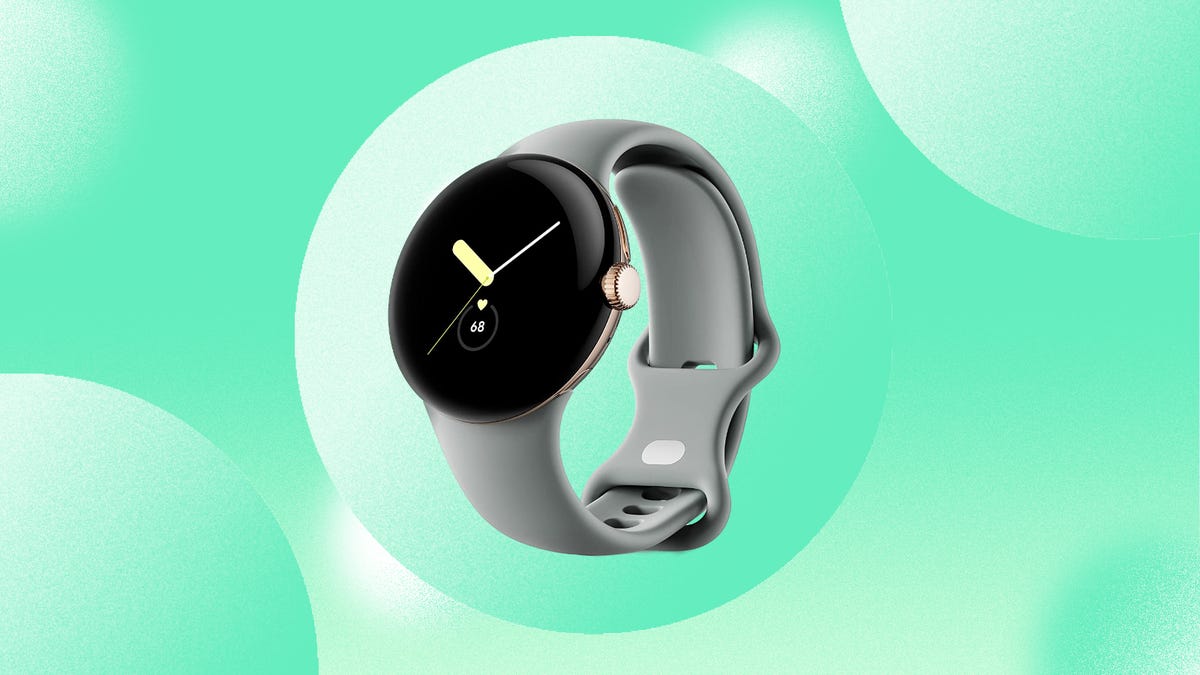
If you’re in the market for an Android smartwatch, Google’s own Pixel Watch is our top recommendation. It’s Android’s answer to the ever-popular Apple Watch and, right now, you can nab one at an all-time low price.
While Amazon, Best Buy, Walmart, Target and the Google Store are all offering a $50 discount on the Wi-Fi version of the Pixel Watch, bringing the price to $300, Wellbots has the best Pixel Watch deal right now. It is currently sweetening the deal with an extra $10 off when you use promo code NEW10 at checkout, meaning you can snag one for just $290, which is the lowest price we’ve seen.
The Google Pixel Watch is sleek and stylish, with a 41mm OLED screen. But it’s packed with helpful features, too. From a range of health sensors including an ECG app and blood-oxygen tracking, to contactless payments through Google Wallet, on-wrist notifications, and scratch and water resistance for durability, this watch is a powerhouse. It won a CNET Editors’ Choice Award last year. And you don’t need a Pixel phone to use this smartwatch — it’s compatible with all current Android phones.
It’s worth noting that the battery life on this smartwatch isn’t as strong as other options out there, so expect to charge your Pixel Watch every day, especially if you use GPS features or sleep tracking. However, if that doesn’t deter you, it’s an excellent smartwatch. You’ll also get six months of Fitbit Premium included when you buy.
Apple’s WWDC starts today, with its keynote at 10 a.m. PT. Traditionally, the big developer-focused event has been where the company gives us a first look at new software for iPhones, iPads, Apple Watches and Macs. But occasionally we get some new hardware, too.
As we count down the remaining time until Apple CEO Tim Cook pops up on stage and makes things official, here’s what we expect at the keynote address on June 5 and how to watch it.
Apple’s icon for SwiftUI.
Apple
When is WWDC?
This year’s WWDC runs June 5 to 9. The opening keynote speech is set for Monday at 10 a.m. PT (1 p.m. ET, 6 p.m. BST, 3 a.m. Tuesday AEST).
The biggest rumor heading into this year’s WWDC is, of course, the Apple headset. Rumored to be running on a new “XROS,” the device could utilize mixed reality, a combination of virtual reality and augmented reality. There may be eye and hand tracking, high-resolution displays and… a potential $3,000 price tag.
Bloomberg’s Mark Gurman recently detailed how Apple plans to incorporate sports, gaming, workouts and iPad apps into the headset to show off what the new platform can do. Whether that’s enough to excite consumers and persuade them to drop three grand or for developers to commit to building apps for it remains to be seen.
The MacBook Air has long been one of Apple’s most popular laptops. Frequently sold with a 13-inch screen, Apple has experimented with different sizes of Airs in the past, including offering an 11-inch model for years. Rumors these days, however, suggest that the company has a larger, 15-inch M2-powered Air raring to go. That once again comes from Bloomberg’s Gurman, who expects the new laptop to be announced at this year’s event. It’s about time.
While rumors point to an imminent announcement, it’s unclear how much Apple might charge for the new Air or how it might fit into the company’s existing MacBook lineup. The 2020 M1-powered 13.3-inch MacBook Air is still sold for $999, while the updated M2-powered 2022 13.6-inch MacBook Air starts at $1,199. A 16-inch MacBook Pro, meanwhile, starts at $2,499. Might the 15-inch Air fit somewhere in the middle?
Apple M-Series Mac Pro
The 2019 “cheesegrater” Mac Pro is due an update.
James Martin/CNET
Oh, the Mac Pro. Apple last updated the Mac Pro at WWDC in 2019. Despite some teases that confirmed it’s working on a new one powered by its Apple Silicon chips, the company has largely been quiet about the super powerful computer. Might the “another day” be June 5? It’s possible and Mac Pro fans may want to tune in, but with tempered expectations.
In an April appearance on The MacRumors Show, Gurman, the Apple savant, suggests that it still may arrive this year but not at WWDC.
New software: iOS 17, WatchOS 10 and more
In addition to all the hardware rumors, we can expect Apple to detail the latest updates coming this year to its iOS, iPadOS, WatchOS and TVOS platforms.
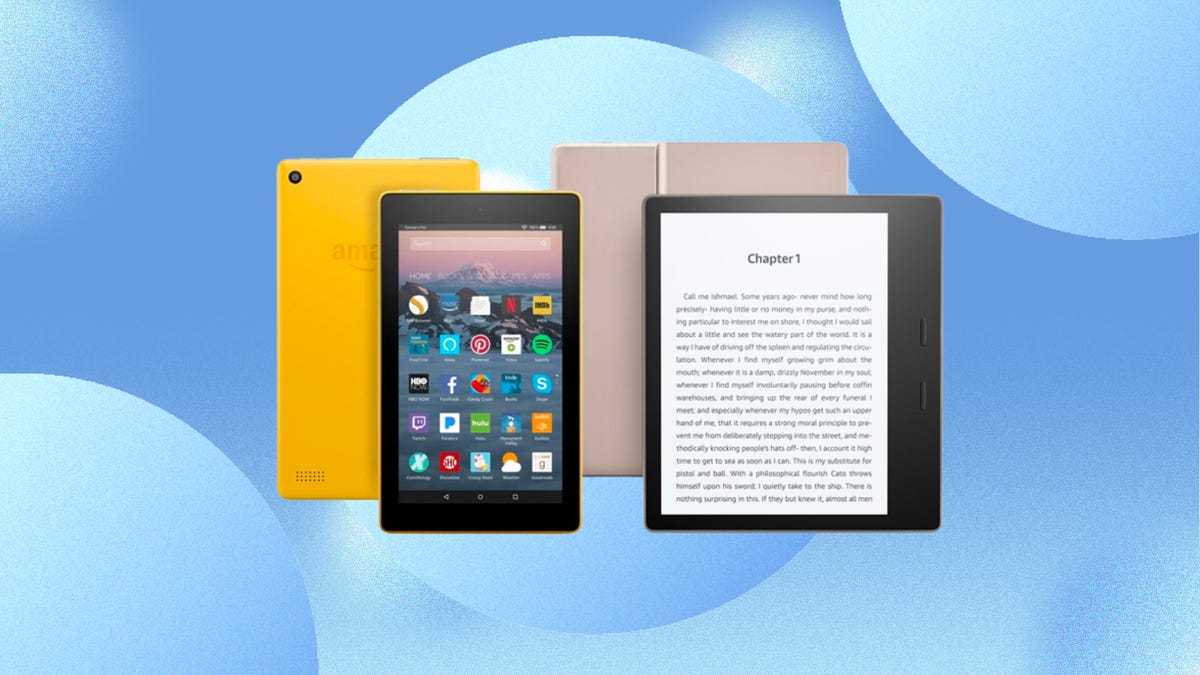
Tablets and e-readers are a lightweight and convenient alternative to lugging your clunky laptop around. And if you don’t need the absolute latest and greatest models, you can save a ton of cash by shopping used. Right now, Woot is offering deals on Amazon refurbished Fire Tablets and Kindle e-readers from as recently as 2020, with prices starting at just $25. This sale runs through June 9, but there’s a limited supply available, and several models have already sold out. You’ll want to get your order in sooner rather than later if you don’t want to miss out on these savings.
With a Fire tablet you’ll be able to access the top streaming services to watch your favorite movies and TV shows, listen to music, make video calls, read ebooks, play games and browse the web. Prices start at just $25, which scores you 32GB model of the 2017 Fire HD 8 tablet. Or, if you want a slightly larger display, you can upgrade to the 2019 Fire HD 10 tablet for $50. It features a larger 10.1-inch touchscreen display, 2GB of RAM and up to 12 hours of battery life.
There are a variety of Kindle e-readers available as well, with the 2015 edition of the Kindle Paperwhite as the most budget-friendly option at $25. Or, for $50, you can upgrade to the waterproof 2018 model of the Kindle Paperwhite with 32GB of storage. It is also ad-supported, but it’s a good option for reading in the tub, by the pool or at the beach. The 2016 Kindle Oasis is another great option. This version of Amazon’s most luxurious e-reader is marked down to $80 right now and features a 6-inch touchscreen with a built-in light. And while $100 is a step up in price, it may be worth it to snag a ninth-gen IPX8-rated waterproof Kindle Oasis with a 7-inch Carta E-Ink touchscreen with a built-in light.
Keep in mind that while these units have been tested and verified internally by Amazon, these items are used and therefore may have cosmetic blemishes. However, if you don’t mind a little wear, this offer is hard to beat. Your purchase is also covered by a 90-day limited warranty, just in case.
Intel’s Arrow Lake processor for 2024 PCs will get a speed boost thanks to a new technique sending electrical power through its chips.
In tests detailed Monday, Intel said a technology it calls PowerVia offered a 6% speed boost on test chips. Another big change called RibbonFET that’s coming with Arrow Lake should offer further advantages.
That’s a big deal for Intel, which has struggled to reclaim a once formidable chipmaking advantage that it lost to Taiwan Semiconductor Manufacturing Co. (TSMC) and Samsung. Those two companies are “foundry” companies that make other chips, notably Intel’s top competitors: Apple, AMD, Nvidia and Qualcomm, but they aren’t expected to match PowerVia until later.
If PowerVia and RibbonFET arrive on time in 2024 with the Intel 20A manufacturing process, then are improved with 18A in 2025, it could help Intel better match rival chips when it comes to packing in lots of circuitry and running efficiently to extend battery life. Apple’s MacBook laptops run unplugged for hours, and many models completely do away with a cooling fan to keep their chips from overheating.
“It looks like a good incremental step,” but not a permanent advantage for Intel, Tirias Research analyst Kevin Krewell said of PowerVia. “Everybody’s going to follow suit and will have the same technology in place over time.”
And because Intel is trying to become a foundry too, it could mean some of those competitors actually could become customers that, like Intel’s own chips, benefit. Intel missed out on making smartphone chips, but in Intel’s ideal future, it could be building the Apple processor that powers a future iPhone.
Meet backside power delivery
Chips process data and perform calculations using tiny electrical switches called transistors that can switch on and off billions of times per second. Today, the necessary power to do that comes on equally tiny electrical links that wind their way through a complex 3D labyrinth of wires that also carry instruction signals to the transistors.
But with Arrow Lake, the 2024 successor to this year’s Meteor Lake processor for PCs, Intel will separate the power delivery from the communication links, moving it to the opposite face of the chip. In the semiconductor industry, it’s called a backside power delivery network, but Intel calls its version PowerVia.
“PowerVia is a revolutionary change for on-chip interconnects that improves power, performance, area, and cost,” all important dimensions of transistor design, said Ben Sell, an Intel vice president who worked on the technology.
Problems with manufacturing progress
By incorporating PowerVia in its highest volume, highest profile processor, Intel is counting on backside power delivery working well and not degrading manufacturing with flawed chips. To guard against that possible disaster, Intel developed PowerVia using test chips built with its current Intel 4 manufacturing process, used to make elements of Meteor Lake. It works well enough that it’ll be standard for Intel 20A and its successor, 18A.
PowerVia is a crucial element to Intel’s recovery effort. In the relentless effort to miniaturize transistors, to keep pace with Moore’s Law, Intel faltered a decade ago and hasn’t fully recovered. Although Samsung and TSMC are working on backside power delivery, PowerVia could beat it to market. For example, TSMC’s backside power technology isn’t expected until 2026.
“From everything we know, this is coming a node ahead of what the industry is doing and gives our customers the advantages of PowerVia as soon as possible,” Sell said. A node is a major step in chip manufacturing technology.
PowerVia adds new processing steps to the hundreds already required to make a chip. Once the transistors are carefully built on the front of a silicon wafer of chips, the wafer must be flipped over, ground thinner, polished, and have power connections installed.
That adds cost and time. But removing the power lines from the front of the wafer means there’s more room for communication links, simplifying designs and overall lowers manufacturing costs.
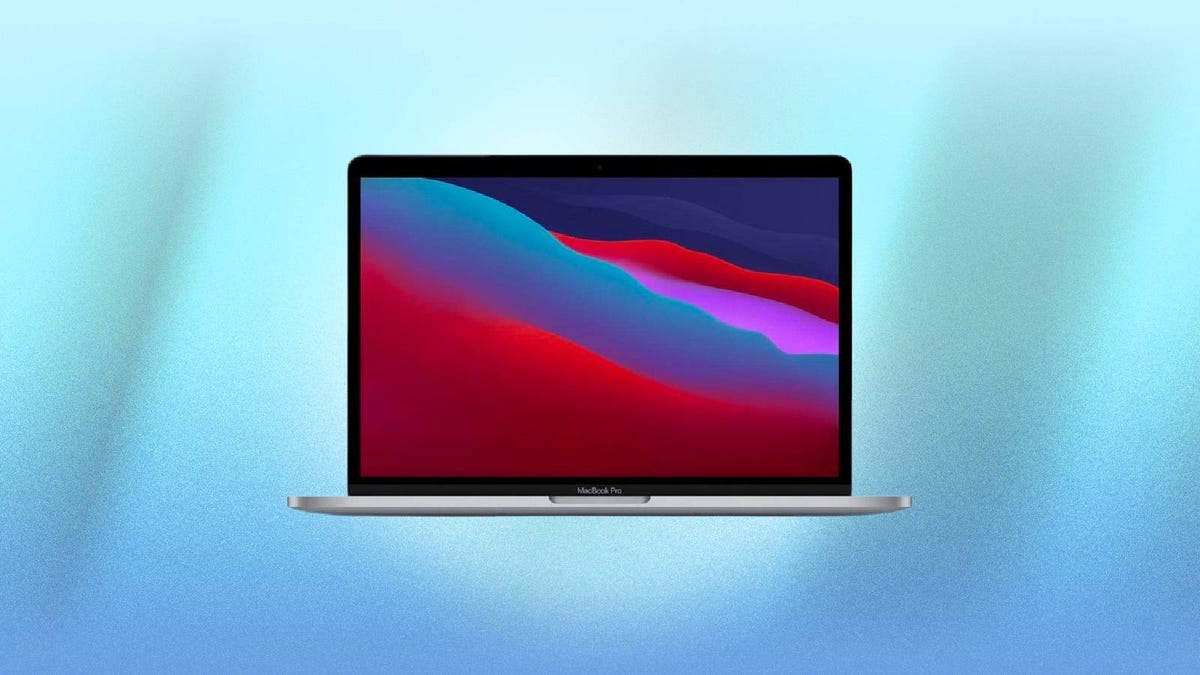
The M2 MacBook Pro may be the latest and greatest laptop in Apple’s lineup, but the previous-gen M1 MacBook Pro is still a more-than-capable option, and a solid value when you can find it on sale. And today only, B&H Photo is offering a flash deal that saves you $600 on a 13-inch 2020 model, which drops the price down to just $1,299. This offer is only available until 8:59 p.m. PT (11:59 p.m. ET) tonight, so be sure to get your order in before then if you don’t want to miss out on these savings.
In addition to an eight-core M1 processor, this 2020 MacBook Pro comes equipped with some powerful hardware. It features a substantial 1TB of built-in storage, as well 16GB of RAM and Wi-Fi 6 support for lightning-fast performance. The screen is a stunning 13.3-inch Retina IPS display, and boasts 500 nits of brightness. And one of the most unique features of the 2020 model is its short-lived touch bar, which replaced the top row of function keys, and allows you to adjust volume, brightness and much more.
And if you’d rather spend the extra cash to grab a more recent model, you can check out our full roundup of all the best MacBook deals for even more bargains.
Apple’s Worldwide Developers Conference 2023 kicks off on Monday, and the company is expected to announce the next version of its iPhone software, iOS 17, at the event. WWDC comes about a month after Google I/O 2023, where Google showcased its next smartphone software, Android 14.
In the US, iPhones recently wrestled the crown away from Androids as the most popular smartphone system, but this comes after more than a decade of Android dominance. And Android reigns in the global market, often by wide margins. In South America, for example, Android represents about 88% of all smartphones, and iPhones trail with about 11%, according to the IT site SOS Support.
But for as long as Apple and Google have been fighting like Godzilla and King Kong for smartphone market superiority, they’ve also seemingly been stealing ideas from each other. For example, notification badges debuted on iPhones, and Androids had home screen widgets long before iPhones, as Popular Science notes.
Apple and Android have seemingly been copying features from each other for years.
James Martin/CNET
That back-and-forth continued with Android 14, as Android phones seemingly copied iPhones again with an updated Find My Device feature and added unknown tracker alerts. We don’t know what Apple has in store for iOS 17, but we think the company should incorporate some of the new Android features into the software.
Here are the new Android features I think Apple should include in iOS 17.
More lock screen customization options
Lock screen customization was one of the most substantial updates to land on iPhones when iOS 16 was released in September 2022. With iOS 17, I want to see Apple give iPhone users more customization options, like Google is doing with Android 14.
Android 14 will let users change the size and design of their lock screen’s clock — in addition to its font type and color — and the software lets users add shortcuts to their lock screen. Changing your lock screen clock is nice — you can already change the font and color of your iPhone’s lock screen clock — but I’d really like to see Apple add the ability to edit or add to the shortcuts on the lock screen.
I regularly use the flashlight shortcut, but I back-tap my iPhone to pull up the camera, so the camera shortcut doesn’t get used as much. Being able to change that shortcut to my Wallet app, or a search shortcut, would be great in iOS 17.
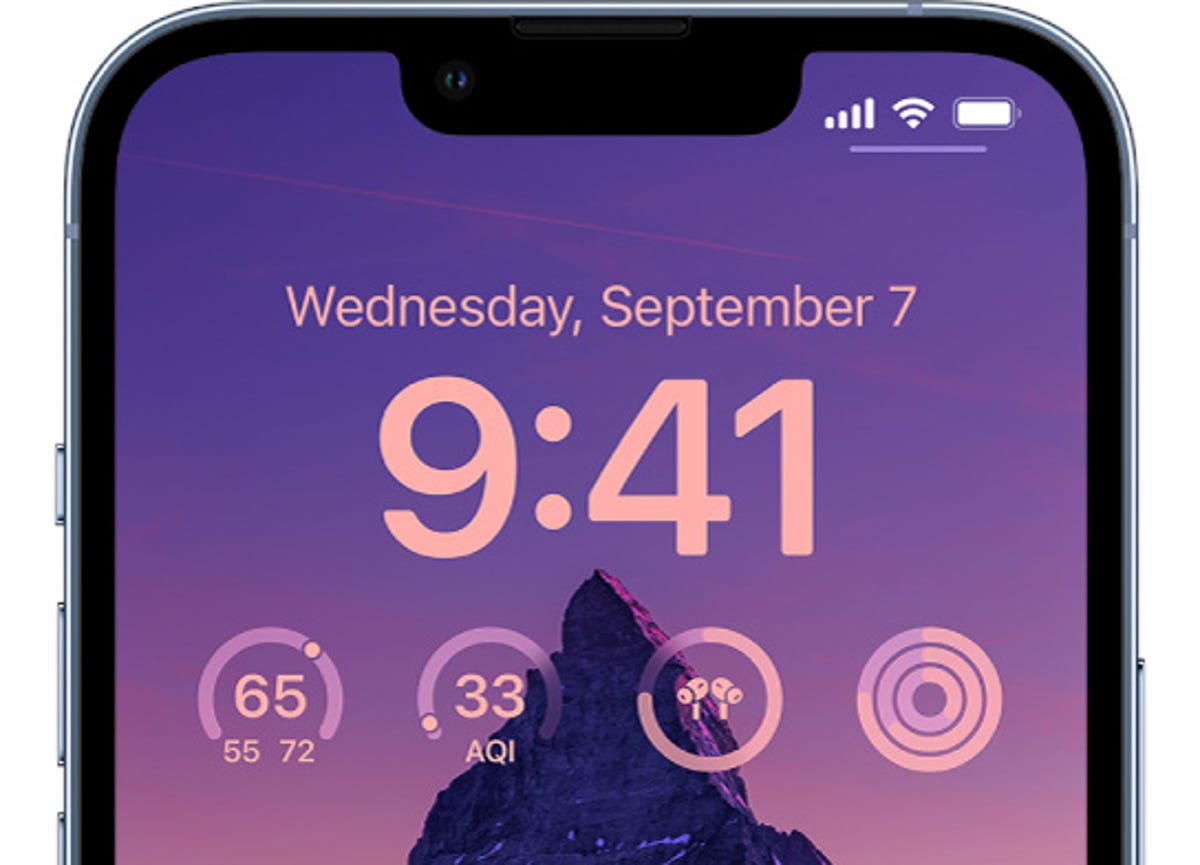
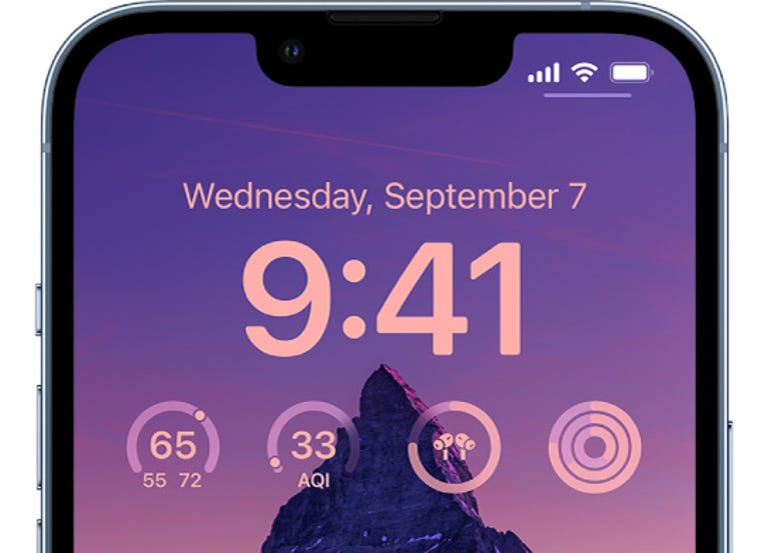
There are only four lock screen spaces for widgets in the current iOS.
Apple
It would also be nice if Apple added more widget spaces to the iPhone’s lock screen. With iOS 16, your iPhone has four grid spaces for widgets, and some widgets, like the Weather widget, take up two of those. It would be great if iOS 17 gave you at least four more grid spaces for widgets, giving you more ways to access your favorite apps.
AI-generated wallpapers
Android 14 will use artificial intelligence to let users create custom wallpapers. People will prompt their phone, which will use AI to generate a few wallpaper options. It would be great to see Apple roll out AI-generated wallpapers in iOS 17, but I’m not getting my hopes up.
While other companies have begun developing their own AI tools, Apple hasn’t made any public announcements about developing, or partnering with another company to produce, such tools.
“I do think it’s very important to be deliberate and thoughtful in how you approach these things,” Apple’s CEO Tim Cook said when asked about generative AI on the company’s earnings call.
It’s possible Apple will introduce more AI tools and functions in iOS 17, like AI-generated wallpapers, but I wouldn’t expect it. I’d bet Apple will integrate AI tools into functions most people already use, like Siri, first.
More emoji wallpaper customization options
Google announced at its I/O 2023 event that certain Pixel phones will let you create custom wallpapers using emojis, but this isn’t exclusive to Android 14. Users will be able to choose up to 14 emoji, the color of the background and the layout the emoji are set in. But Apple already brought this feature to iPhones.
Emoji wallpapers are already available on iPhones.
James Martin/CNET
To create a custom emoji wallpaper on your iPhone, go to Settings > Wallpaper > + Add New Wallpaper, and under the Emoji section are some premade emoji wallpapers. Tap any of these and you can edit what emoji are used, the layout and the color of the background. However, you can select only up to six emoji.
It would be fun if Apple allowed you to use more emoji and gave you more than six layout options in iOS 17 to further customize these wallpapers.
Cinematic wallpaper
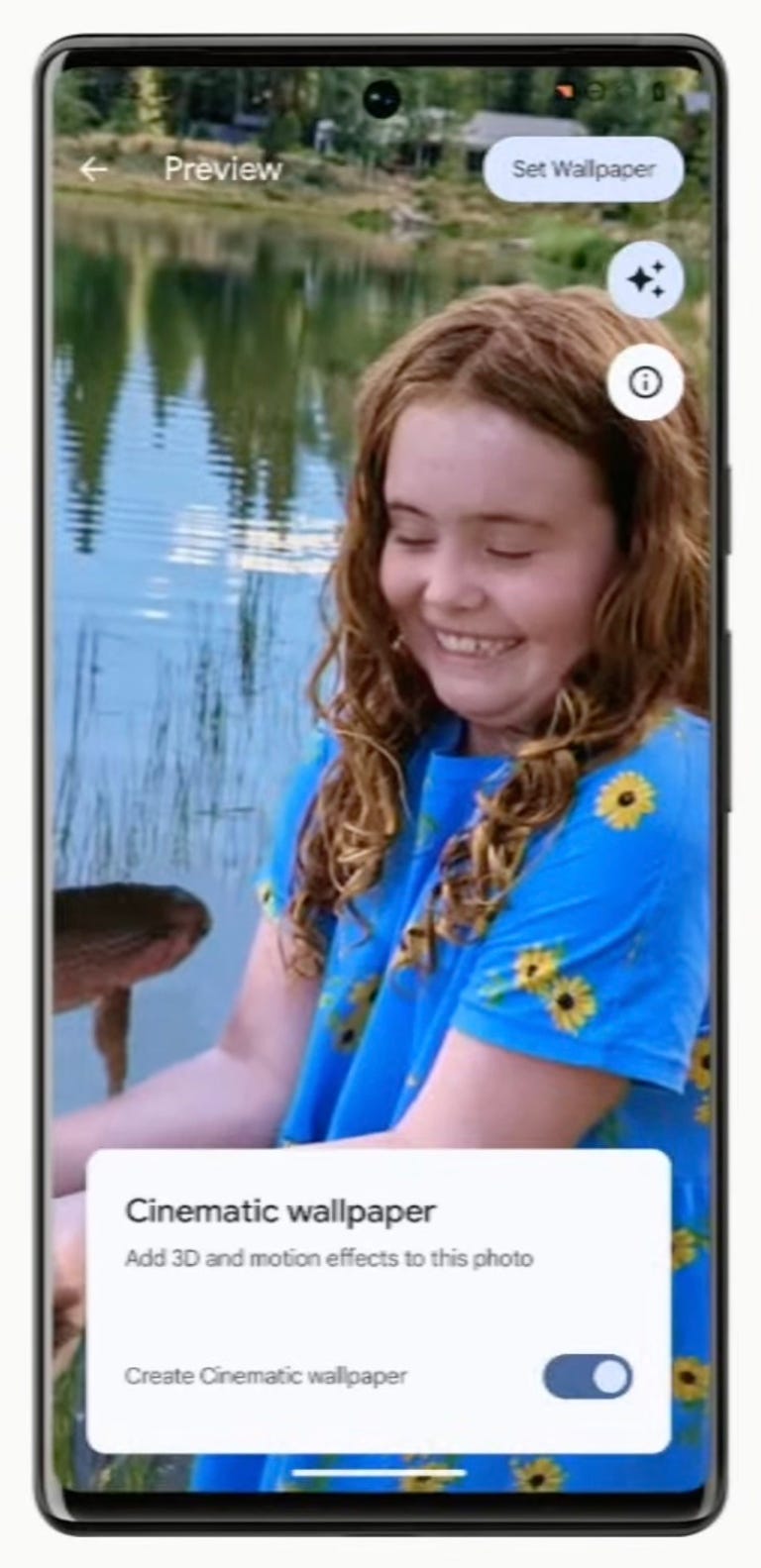
Also not exclusive to Android 14, certain Pixel phones will let Android users create cinematic wallpapers. This feature will allow people to take a photo and give certain elements of the photo a depth effect. Once you’ve applied the effect, you can shift your Android device around and the wallpaper elements will shift around as well, making your wallpaper look three dimensional.
Cinematic wallpapers on Pixel devices will give certain wallpapers a three-dimensional look.
Screenshot by CNET
Apple introduced a similar lock screen feature in iOS 7, and this feature morphed into Perspective Zoom in some iOS 16 betas. However, the feature is no longer available in recent iOS 16 updates. Apple does let you apply a depth effect to your lock screen, but that just places your clock behind certain wallpaper elements. Enabling this also disables your lock screen widgets.
Cinematic wallpapers on your iPhone would be a nice touch to include in iOS 17, and they’d make some wallpapers on your home and lock screen really stand out. And if Apple doesn’t allow cinematic wallpapers in iOS 17, it would be great if the company at least allowed widgets to work on your lock screen when your depth effect was turned on.