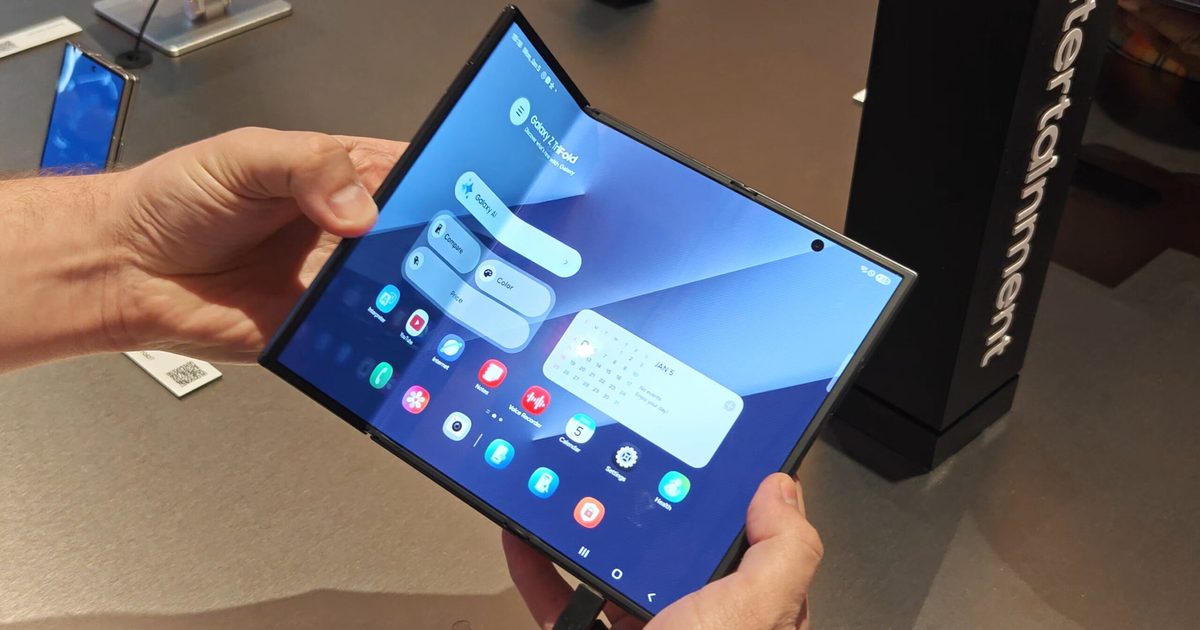
Samsung’s tri-fold phone experiment may not be a one-and-done project after all. A new patent-based leak has suggested that Samsung is exploring a follow-up to its Galaxy Z TriFold phone, and the most interesting part is not just the folding screen. The leak points to a design with an S Pen pocket built into one of the hinges, potentially solving a long-running foldable problem.
What’s new in the next tri-fold?
New Samsung Galaxy Z Trifold 2 with S Pen pocket in a hinge
— xleaks7 (David Kowalski) (@xleaks7) May 11, 2026
See More
In the leaked render shared in the tweet, the foldable display splits by two hingle lines, just like its predecessor. But what sets it apart is an S Pen-like stylus stored vertically along the hinge area. The source describes it as a “patent-based” Galaxy Z TriFold 2 concept, so this should not be treated as a confirmed product design or launch-ready render.
Still, Samsung’s larger foldables are natural fits for stylus input, especially when unfolded into tablet-like screens. The problem has always been storage. The Galaxy Z Fold line never had a built-in S Pen slot, and Samsung has often relied on cases or external carrying solutions instead. So a tri-fold device gives Samsung more structural complexity, but also more places to hide hardware. Turning part of the hinge into a stylus pocket would be clever if the company could make it work without compromising durability, thickness, or folding mechanics.
John McCann / Digital Trends
A sign Samsung still cares about trifolds
This also lines up with what Samsung appears to be rethinking for its next tri-fold. The first Galaxy Z TriFold proved the concept could exist as a real product, but it also left obvious room for improvement. The lack of S Pen support was one of the bigger missed opportunities. A hinge-based S Pen slot would be a clever way to address that without simply copying the Galaxy S Ultra formula. It would also make more sense on a tri-fold than a regular book-style foldable, since Samsung is already dealing with extra hinge hardware and a more complex internal layout.
With the latest Google reCAPTCHA upgrade, if you’re on a Windows PC, Linux machine, or pretty much anything that isn’t a smartphone, you may soon be asked to scan a QR code with your phone to prove you’re human.
Not just any phone, though. It has to be an Apple device or a Google-certified Android device.
Why should you care about this?
Most coverage of this feature treats it as a minor CAPTCHA update. It’s not. What Google is really doing is bringing hardware attestation to the web. That’s a system where your device has to prove to a server that it’s running approved hardware and software.
Apple and Google are gradually expanding their use of hardware-based attestation. They’re convincing a growing number of services to adopt it. Google’s Play Integrity API and Apple’s App Attest API are very similar. Apple brought it to the web via Privacy Pass, which Google…
Apple uses App Attest, and Google has its Play Integrity API, which these companies use to verify apps. Banks and government services have quietly been adopting these systems for a while now.
Now, they want to do the same for the web. The result is that if you’re using a less ordinary phone or a more private operating system like GrapheneOS, more and more apps and services simply won’t work for you.
Google’s Play Integrity API bans GrapheneOS, which is actually more secure than most certified devices. Meanwhile, it happily approves Android phones that haven’t received a security patch in years. That alone tells you this isn’t really about security.
What it is about is control. Google defines what counts as a certified Android device, and those rules conveniently require manufacturers to bundle Google’s own apps and services.
The GrapheneOS team has blasted Google, saying that this is about enforcing monopolies, not protecting users. And with reCAPTCHA powering a massive chunk of the web, that’s a lot of power for two companies to hold over everyone’s browsing experience.
Samsung has a new legal headache, and this one involves Dua Lipa’s face on TV boxes. The pop star has sued Samsung Electronics America and Samsung Electronics Co. in California federal court. It is accusing the company of copyright infringement, trademark infringement, and violating her right to publicity. The complaint claims Samsung is using a copyrighted image of Lipa on cardboard boxes for its televisions without authorization.
Why is Samsung getting sued?
Legal Filing
In the complaint, the company allegedly “prominently featured” a copyrighted image of Dua Lipa on the front of cardboard boxes containing Samsung TVs sold across the US. The filing says the image appeared on boxes for Samsung televisions in various sizes, and an example in the complaint shows a Samsung Crystal UHD TV box with Lipa’s image displayed on the screen graphic.
The lawsuit says that Lipa is the sole owner of the copyright in the image, listed in the complaint under Copyright Registration No. VA 2-479-685. It also argues that Samsung’s use of the image could create a false impression that Lipa endorsed, approved, or was associated with the company’s TVs.
The lawsuit is asking for big money
David Ramos / Getty Images
This isn’t just a takedown request. The complaint asks for damages of no less than $15 million, plus Samsung’s profits tied to the alleged unauthorized use of the image. Lipa is also seeking punitive damages, attorneys’ fees, and an injunction to stop Samsung from continuing to use the image.
The filing alleges Samsung continued selling the products after Lipa became aware of the issue around June 2025 and demanded that the company stop. The complaint says Samsung “repeatedly refused” those demands and continued selling the allegedly infringing products. The singer’s lawyers argue that her name, image, and likeness carry major commercial value because of her music career, global recognition, and brand deals with companies like Puma, Versace, YSL Beauty, Porsche, Apple, Chanel, Tiffany & Co., Bvlgari, and Nespresso. So, Samsung should have secured permission and paid for it. This news arrives just a couple of days after another lawsuit that aims to block all Samsung foldables sales in the US.
Samsung Galaxy S25 users in the United States are finally getting the One UI 8.5 update. After rolling out to newer devices, the update is now making its way to last year’s Galaxy S25 series, bringing a solid list of improvements worth knowing about.
Users on X have reported receiving this update on their Samsung Galaxy S25 devices, so if you own one, now might be the time to go into the software update settings and get the latest update.
— Dr.Abrar Humayun (@DrAbrarHumayun1) May 11, 2026
See More
What’s new in One UI 8.5?
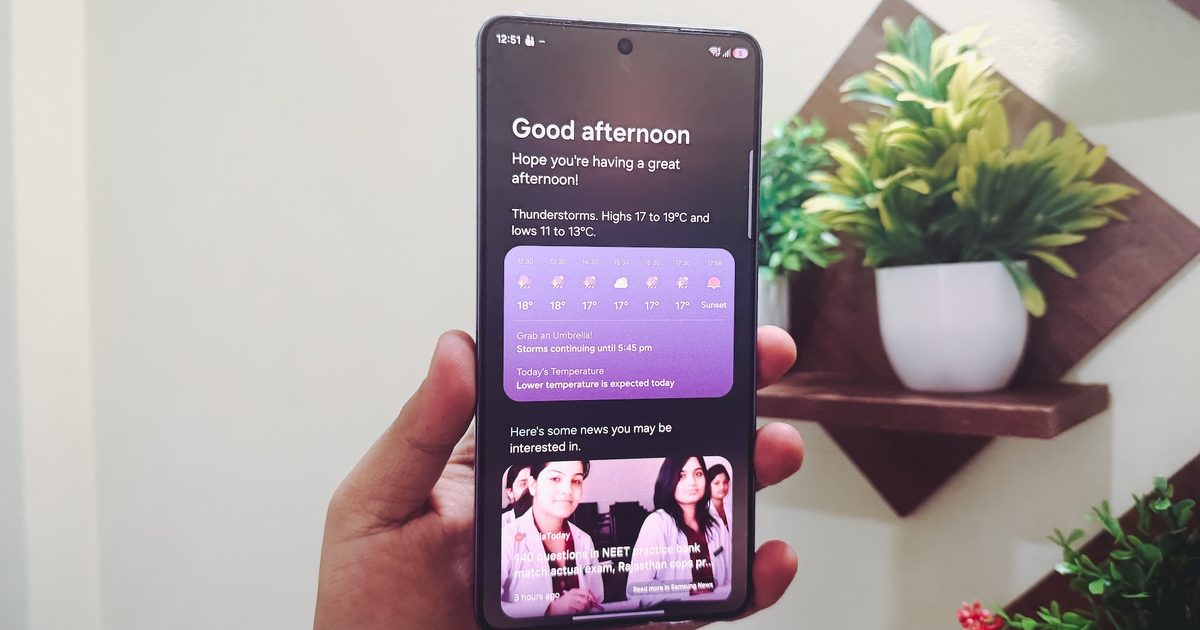
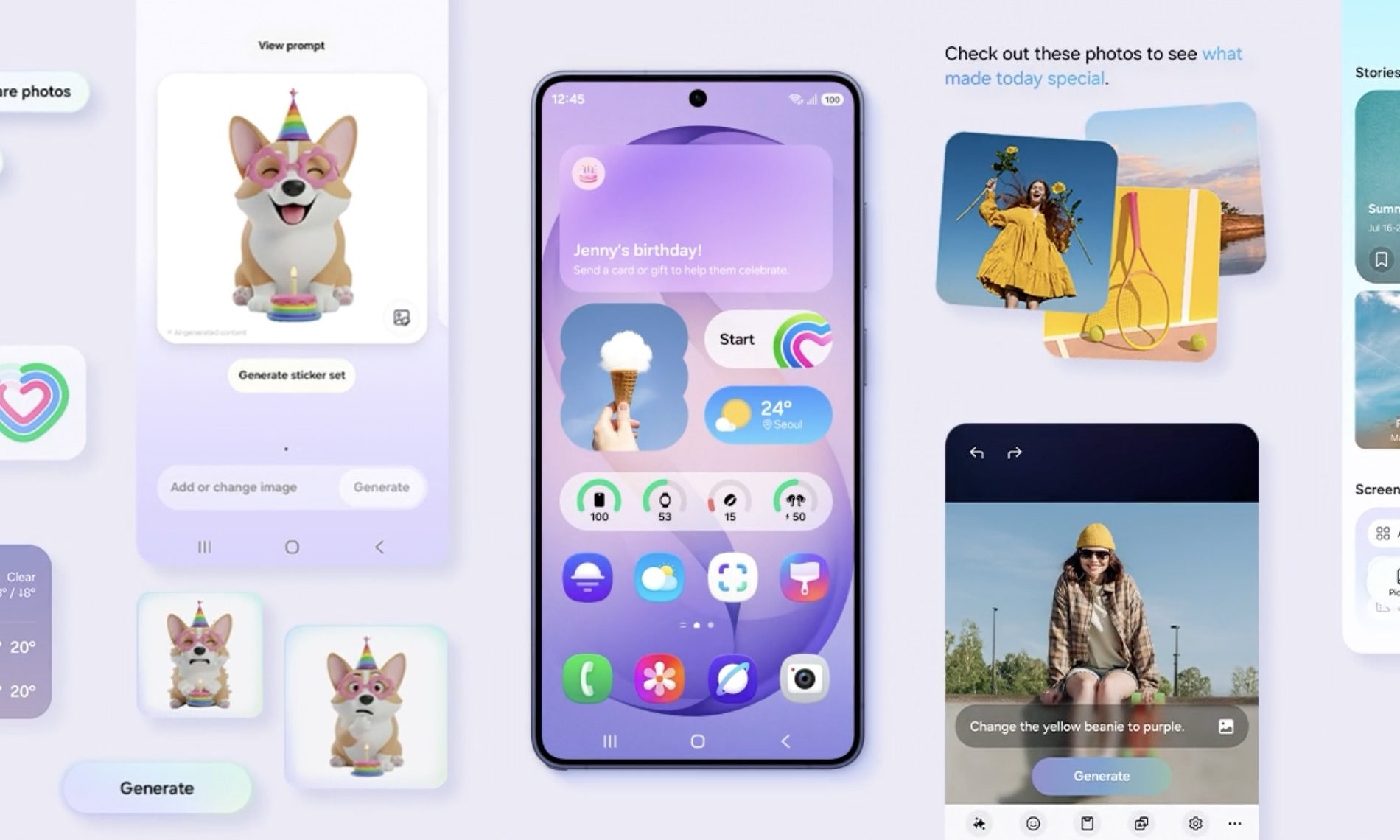
One UI 8.5 is bringing several new features and a bunch of UI improvements. The biggest visual change is to the quick settings panel. You can now grab, resize, and drag individual controls wherever you want. The volume and brightness sliders can go vertical, and the media control can expand to a larger size.
The lock screen also got some love. There are new clock fonts with animations, and a thickness slider lets you fine-tune your clock’s look. A weather toggle now shows live weather animations on your wallpaper, which is a small but genuinely fun touch.
Samsung
One UI 8.5 also brings a bunch of AI-powered photo editing tools, including erase, move, create, and style. Erase removes objects cleanly, move lets you reposition elements in a shot, create adds sketched objects using AI, and style transforms selfies into cartoon versions of yourself.
Are there any missing features?
While last year’s Galaxy S25 models are finally getting the One UI 8.5 update, it’s not all good news. It seems that there are several missing features in One UI 8.5 that the older models are not getting.
Users at Korean Samsung forums have discovered as many as nine missing features, with the two biggest being the Now Nudge and 24MP camera mode. Other glaring omissions include Notification Highlights, Finder shortcut on the Home Screen, Samsung Browser’s Ask AI, and more.
It doesn’t feel like any of these features depend on the new hardware of the Samsung Galaxy S26 series. They are just feature gatekeeping on Samsung’s part to force users to upgrade to new devices.
I criticize Apple every year for gatekeeping new camera features on the latest iPhone models. It seems that Samsung is not only following in Apple’s footsteps but also pushing things much further.
I still remember the first time I properly got into Mortal Kombat. Like many people from my generation, I had obviously seen the characters before. Scorpion yelling “Get over here!”, Sub-Zero freezing people into ice cubes, Raiden looking like a thunder god who somehow still manages to disappear whenever the plot needs him most. Mortal Kombat was always around. But it wasn’t until the 2011 Mortal Kombat reboot game that I truly became invested in the franchise. That game was special because it balanced everything perfectly. It had the gore, the ridiculousness, the iconic rivalries, but it also had a surprisingly engaging story that tied together the first three games in a way even casual players could follow. It made characters like Liu Kang, Kung Lao, Kitana, Raiden, and Johnny Cage actually feel important beyond just being arcade fighters.
That’s probably why the 2021 Mortal Kombat movie disappointed me so much. It felt like a film that wanted to introduce a brand-new guy nobody asked for while pushing actual fan-favorite characters into the background. The fights were decent, sure, but the emotional core was missing. So when Mortal Kombat 2 was announced, I genuinely had hope. This looked like the correction fans were asking for. More tournament action, more classic characters, more lore, more violence, and finally, Johnny Cage entering the mix. On paper, this should have been the movie that finally nailed Mortal Kombat.
And yet somehow, after two hours of severed limbs, flying blood, fan-service moments, and enough slow-motion fatalities to traumatize a small village, I still walked out unsatisfied.
Spoiler Warning: This review contains major spoilers for Mortal Kombat 2, including story details, character arcs, fights, and fatalities.
The biggest problem with Mortal Kombat 2 is, honestly, very simple. This movie has way too much story for a two-hour runtime. Instead of simplifying things or splitting the film into multiple parts, it just speedruns through everything like somebody accidentally hit fast-forward on the lore. It’s like trying to fit a liquid-cooled gaming rig into a lunchbox. Something is obviously going to leak, and in this case, it was the storytelling.
Warner Bros. Pictures
Now look, I understand the challenge here. Mortal Kombat lore is massive. Trying to fit tournaments, character arcs, Netherrealm politics, Outworld drama, and ten different fights into a single movie is not easy. But understanding the problem does not automatically excuse the execution. A movie shouldn’t come with a homework assignment. If casual viewers need to Google why Sub-Zero suddenly has shadow powers, why Sindel matters, or what exactly Quan Chi is doing here, the film has already failed one of its biggest jobs.
That’s exactly where Mortal Kombat 2 struggles the most. The movie feels as if it’s completely convinced that the audience already knows everything. The director recently implied critics just don’t “understand Mortal Kombat,” and honestly, that mentality explains a lot about this film. It isn’t interested in introducing its world to newcomers. It assumes viewers already know who Noob Saibot is, what Shinnok’s amulet means, why Kitana matters, and how all these relationships connect together. For longtime gamers, those moments land because there’s already an emotional attachment. For general audiences, this movie probably feels like accidentally starting a TV show from Season 5.
Warner Bros. Pictures
Take Sub-Zero and Noob Saibot, for example. The movie brings them in, throws some cool visuals on screen, and then immediately moves on before explaining anything properly. Casual viewers are left wondering whether this is the same character from before, why there are suddenly two versions of him, and why nobody seems interested in elaborating. Sindel suffers from a similar problem. Her entire role feels rushed, and despite being one of the most iconic characters in the franchise, the movie barely showcases her actual abilities. We get the screaming powers, sure, but the legendary killer hair? Completely ignored. It’s these missing features that make Mortal Kombat 2 feel less like a finished movie and more like an Early Access build that still needed a few major updates before launch.
More Fights Don’t Automatically Fix Everything
One of the biggest complaints about the first Mortal Kombat movie was the lack of actual fights, so Mortal Kombat 2 responds by throwing combat scenes at the screen every fifteen minutes like it’s trying to speedrun an arcade ladder. But here’s the thing: simply having more fights doesn’t automatically fix the issue. A fight only matters if the audience actually cares about who is winning.
Several fights look cool for a few minutes before ending just as they start getting interesting. Some characters barely showcase their unique abilities before the movie rushes off to the next set piece. Mortal Kombat is beloved because every fighter has a distinct personality and combat style, but many of the action scenes here feel more like quick fan-service checklists rather than fully realized moments.
Warner Bros. Pictures
And honestly, the “done dirty” list here is unfortunately longer than a Scorpion spear chain. Sub-Zero, who felt like an unstoppable monster in the first film, barely gets the same presence this time around. Scorpion gets iconic moments, complete with the legendary “Get over here!” line and dramatic music, but emotionally, the movie never fully capitalizes on his return either. Raiden spends most of the runtime feeling weirdly unimportant despite literally being a god. Shang Tsung and Quan Chi also never get enough breathing room to feel properly threatening or cunning. These are some of the biggest names in Mortal Kombat lore, yet the film treats several of them like glorified cameos attached to fatalities.
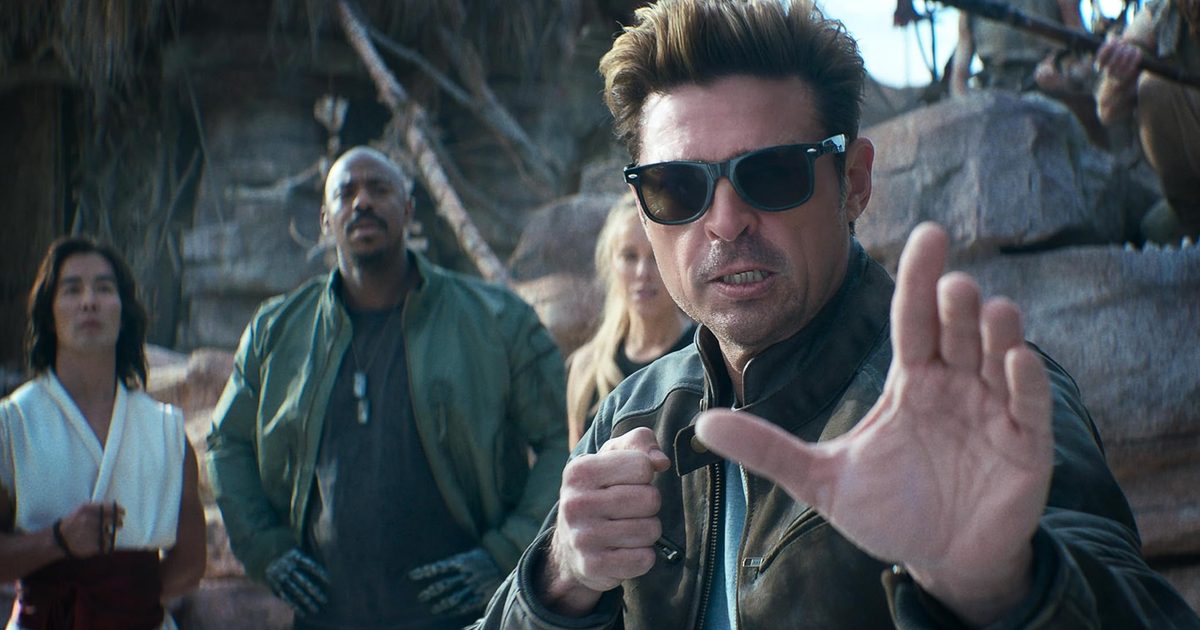
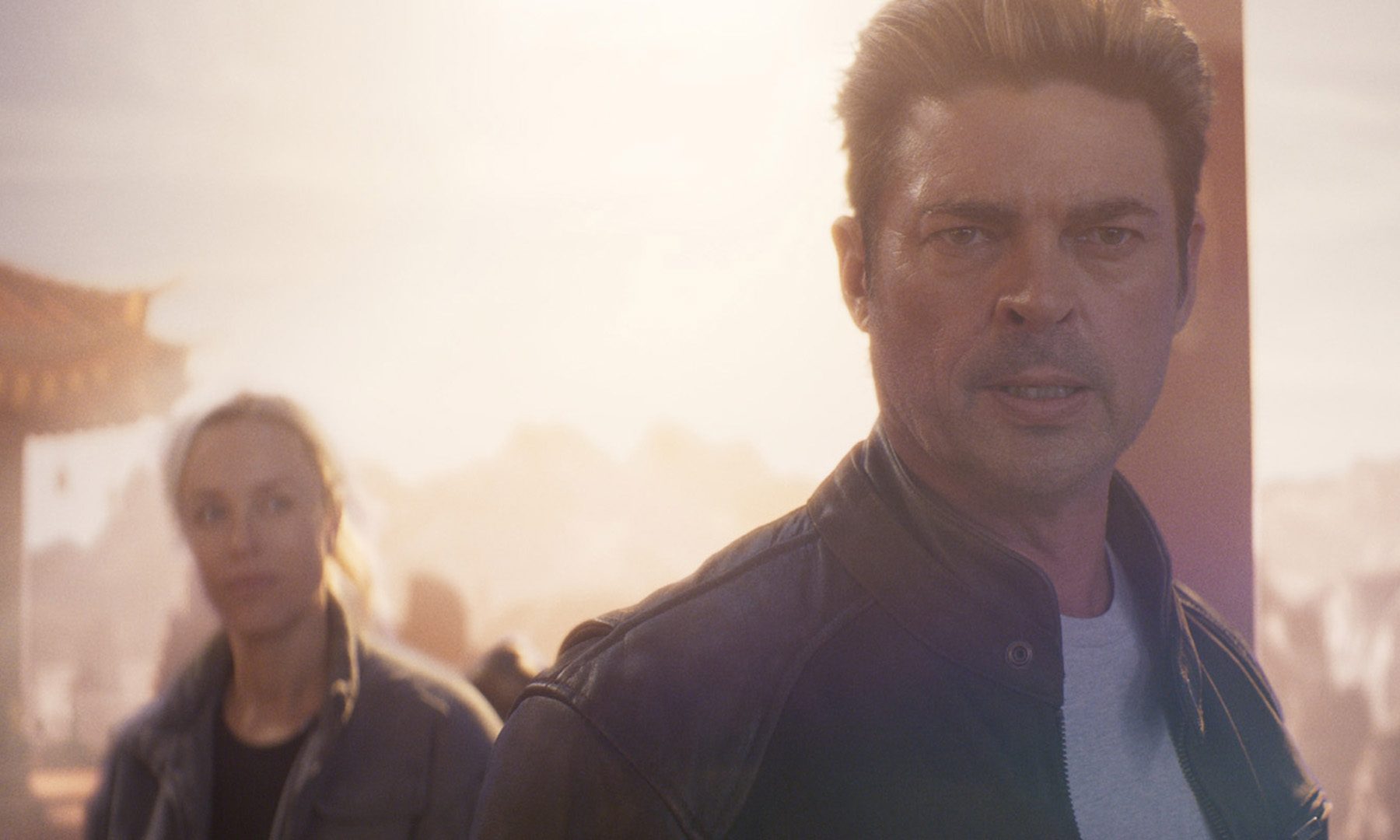
Karl Urban does his best with the material, but this version of Johnny Cage feels strangely incomplete. The marketing pushed him as the star attraction of the movie, yet the film never fully commits to making him the chaotic, flirty idiot fans actually love. Johnny Cage in the games is arrogant, shamelessly funny, constantly flirting, and somehow still lovable despite being an absolute disaster of a human being. Here, he feels toned down weirdly. There’s barely any playful chemistry with Sonya Blade, and the movie almost seems scared to let him fully embrace his personality. Instead of feeling like the life of the party, he sometimes feels like marketing material that accidentally wandered onto the set.
Warner Bros. Pictures
Ironically, the character who actually feels like the emotional center of the movie is Kitana, and honestly, she ends up being one of the film’s biggest strengths. Her storyline involving Shao Kahn is genuinely compelling, and unlike many other characters here, she actually gets a proper emotional arc with understandable motivations. Had the movie leaned harder into her perspective instead of juggling twenty different plotlines simultaneously, this could have been a significantly stronger film.
Warner Bros. Pictures
The action highlight by far is the Kung Lao vs Liu Kang fight. Easily the best sequence in the entire movie. That scene actually slows down long enough to let the choreography, emotion, and tension breathe. For a brief moment, Mortal Kombat 2 stops feeling like a frantic lore slideshow and finally becomes the movie fans wanted. Even Baraka gets some surprisingly solid moments, and Kano thankfully remains entertaining enough to remind everyone he’s still one of the franchise’s best wildcards.
Fatalities, Fan-Service, and A Whole Lot Of Missed Potential
And that’s ultimately the most frustrating thing about Mortal Kombat 2. There are genuinely about 15 to 20 minutes of greatness scattered across this movie. Small moments where the fights click, the characters work, the fan-service lands, and the emotional beats finally connect. The gore itself is fantastic too, with some brutal fatalities that absolutely deliver the crunchy violence fans came for.
Warner Bros. Pictures
But those highs are buried inside a film that constantly rushes itself to the next explosion, next reveal, or next nostalgia moment before the previous scene even has time to settle. The movie understands Mortal Kombat iconography better than it understands storytelling. It knows what fans want to see, but not always why those moments mattered in the first place. For casual viewers, I genuinely cannot recommend this movie unless the goal is simply watching creative ways to dismantle the human body for two hours straight. The film does a terrible job onboarding newcomers, and most people unfamiliar with Mortal Kombat lore will probably spend half the runtime scratching their heads, wondering why any of this matters.
For longtime fans, though? Yeah, it’s probably worth a one-time watch. There’s enough nostalgia, enough brutal violence, enough cool moments, and enough glimpses of potential to make the experience enjoyable in bursts. Just keep expectations firmly in check. Mortal Kombat 2 feels less like a complete movie and more like a highlight reel that forgot to include the context. You’ll absolutely find moments to enjoy, but by the time the credits roll, most fans are probably going to walk out thinking the same thing: This could have been so much better.
For a while, I had convinced myself that my next iPhone had to be a Pro. Not because I had genuinely thought about what I needed from a phone, but because the marketing slowly wore me down. The triple cameras, the titanium build, the ProMotion display, the idea that it could handle absolutely anything — it all created this lingering feeling that choosing the regular iPhone would somehow mean compromising. Like I would be missing out on the “real” experience. Then I stopped looking at spec sheets and started looking at my actual usage. And honestly, the entire argument for buying a Pro quietly fell apart.
Apple really knows how to make you doubt the regular iPhone
Apple is incredibly good at making the Pro feel essential. Every September, the keynote follows the same pattern. The regular iPhone gets its moment, sure, but the second the Pro models appear, the entire presentation shifts gears. Suddenly, it is all about the “best” cameras, premium materials, exclusive features, and cutting-edge performance. Even without saying it directly, the message lands pretty clearly: this is the iPhone you are supposed to want. The regular model almost starts to feel like the compromise option for people with simpler needs.
Shikhar Mehrotra / Digital Trends
And honestly, that strategy works. Not because Apple is misleading anyone, but because the Pro genuinely is a more capable phone. The cameras are better, the build feels more premium, the extra features are real, and for the people who actually use them, the higher price absolutely makes sense. The problem starts when “this is better” quietly turns into “I need this.” That is the leap many of us make without ever stopping to think about whether those extra features would actually change how we use our phones day to day.
I kept chasing Pro features I barely used
When I stopped thinking about how I imagined I used my phone and started paying attention to how I actually used it, the reality turned out to be pretty ordinary. Most of my day is spent doing the same things most people do: scrolling through social media, replying to messages, listening to music, watching the occasional YouTube video, reading things I am interested in, checking emails, using Maps, and taking calls.
And yes, I do take a lot of photos. But when I really thought about it, I realized I was not taking the kind of photos that truly demanded a Pro-level camera system. Most of my shots happen in good lighting, with little effort, and honestly, modern smartphones are already excellent at that. I was rarely in situations where I genuinely needed a dedicated telephoto lens or the extra computational photography tricks that Apple reserves for the Pro models. And on the few occasions where camera quality actually mattered for work, I usually had a proper camera with me anyway.
Then there was ProMotion — probably the feature I used most often to justify wanting a Pro iPhone. For years, the smoother 120Hz display felt like one of the clearest reasons to spend extra on the Pro models. And to be fair, the difference is real. Scrolling feels smoother, animations look nicer, and everything feels slightly more fluid. But over time, I realized something interesting: it was a feature I appreciated most when I was actively paying attention to it. In everyday use, my brain adapted pretty quickly, and the standard iPhone never really felt slow or frustrating to use. Now that the iPhone 17 lineup finally brings high refresh rate displays to the regular models as well, that whole justification has mostly disappeared for me. One of the biggest reasons to go Pro no longer feels exclusive, and the standard iPhone suddenly makes a lot more sense than it used to.
The vanilla iPhone is carrying lot more weight than people admit
The regular iPhone has become strangely easy to underestimate, mostly because the conversation around it is always framed by what the Pro models have that it doesn’t. But when you stop comparing spec sheets for a moment and look at the standard iPhone on its own, it is actually an incredibly complete device.
Shikhar Mehrotra / Digital Trends
The main camera is already excellent for the kind of photos most people take every day. Performance is rarely an issue either, especially now that the regular models often share the same core chip architecture as the Pro versions. Whether it is social media, gaming, multitasking, editing photos, or juggling a dozen apps at once, the phone handles it all effortlessly. The display is good, battery life has improved a lot over the years, and you still get the same software experience, the same long-term updates, and the same overall reliability that people buy iPhones for in the first place.
And honestly, for the way I actually use a phone — and probably for the way most people use one — the regular iPhone no longer feels like a compromise at all. It only starts to feel “lesser” when you compare it side-by-side with a checklist of Pro-exclusive features.
The moment I realized I was shopping for a fantasy version of myself
I am not trying to convince anyone not to buy a Pro iPhone. For some people, the extra features absolutely make sense. If you shoot a lot of video, regularly use the telephoto camera, care deeply about the premium build, or genuinely benefit from those advanced tools, then the higher price is probably justified. Those are real advantages. But they are also very specific advantages — the kind that come from understanding your own habits, not just getting swept up in the excitement.
Shikhar Mehrotra / Digital Trends
Before jumping ship, ask yourself one simple question: Which Pro features do I genuinely use right now? Not the ones that look impressive on paper, but the ones that actually show up in your daily routine. And once you look at your real usage honestly, the answer often becomes much clearer than you expect. Sometimes, the regular iPhone is not the “lesser” choice at all. It is simply the phone that already fits the life you actually live.
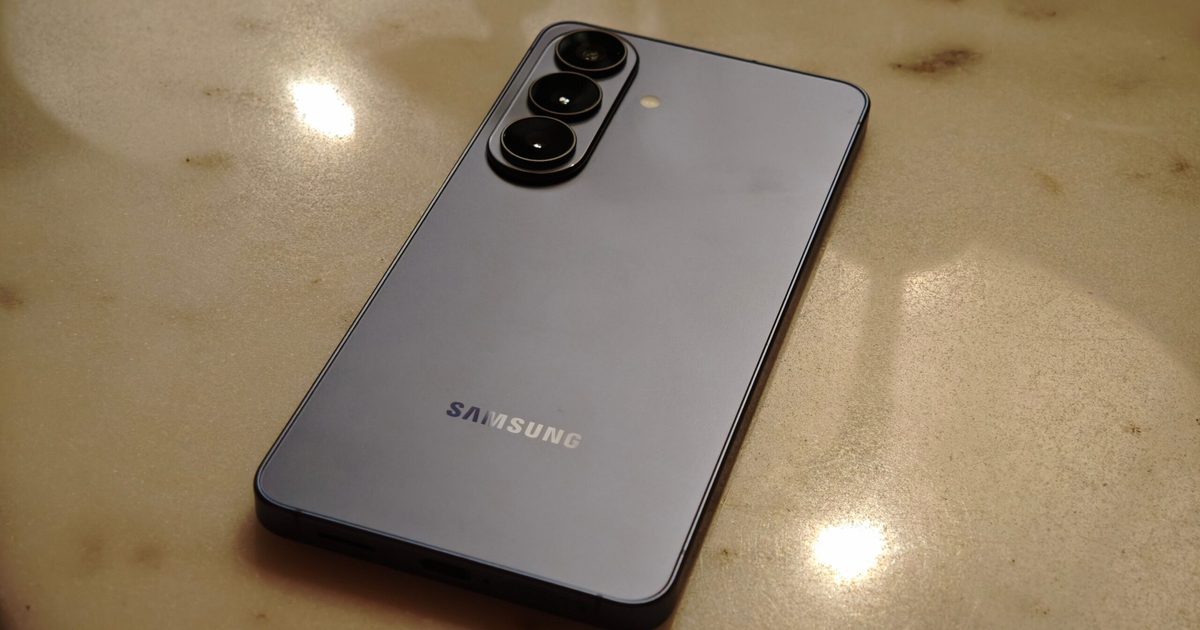
I have never been particularly good at managing my phone’s battery health. I know all the advice by now — avoid charging past 80 percent, do not let the battery drain completely, try not to leave the phone plugged in overnight. I know these habits the same way I know I should probably drink more water or sleep earlier. In theory, they make perfect sense. In practice, I rarely stick to them consistently.
So when I started using the Galaxy S26 and realized that Device Care’s optimization features were quietly handling a lot of this for me, my first reaction was skepticism. Phones have offered “smart” protection tools for years now, and most of them tend to disappear into the background after you switch them on once. Half the time, I forget those settings even exist. This felt different, though. Not because it was flashy or constantly reminding me it was there, but because I could actually feel it adapting to how I used my phone, rather than forcing me to change my habits around it.
The battery babysitter I never had to babysit
Device Care on the Galaxy S26 does a lot more than simply stopping charging at 80 percent and calling it a day. Over time, it learns your charging habits and quietly adapts around them. So if you usually plug your phone in overnight, it will charge up to a certain point, pause there for a while, and then finish topping up closer to the time you normally wake up. The idea is to reduce the time the battery spends at 100%, since that is one of the biggest contributors to long-term battery wear.
Shimul Sood / Digital Trends
But the experience goes beyond charging habits. Device Care also keeps an eye on apps running in the background, flags those draining battery, and optimizes performance in subtle ways that don’t constantly interrupt you. In fact, most of the changes were so seamless that I barely noticed them happening. The only reason I realized something was different was when I checked my battery stats and saw how much steadier the battery drain looked compared to the phones I had been using before. Together, it creates the kind of thoughtful, behind-the-scenes experience that actually matters over time. It is about helping your phone age better without requiring you to completely change how you use it every day.
Set it once, forget it gloriously
Setting it up takes less than a minute, and once it is enabled, you mostly never have to think about it again. Here is where to find everything:
Shimul Sood / Digital Trends
Open Settings and scroll down to DeviceCare.
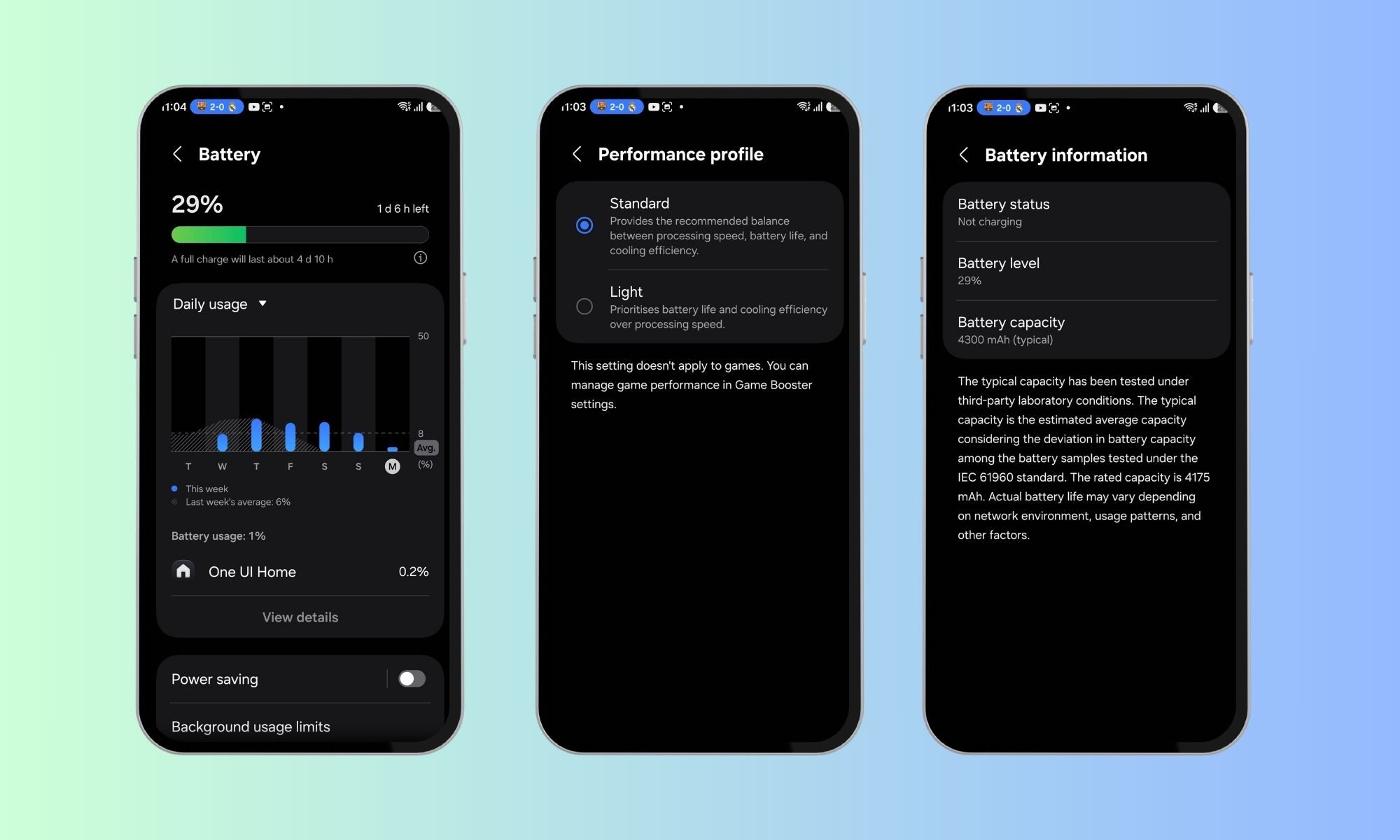
Tap Battery, and scroll down here to see the batterysettings.
Turn on the features you use every day.
While you are there, you can also enable BatteryProtection if you prefer a stricter approach that caps charging at a percentage level you set.
Open Settings and scroll down to DeviceCare.
Tap Battery, and scroll down here to see the batterysettings.
While you are there, you can also enable BatteryProtection if you prefer a stricter approach that caps charging at a percentage level you set.
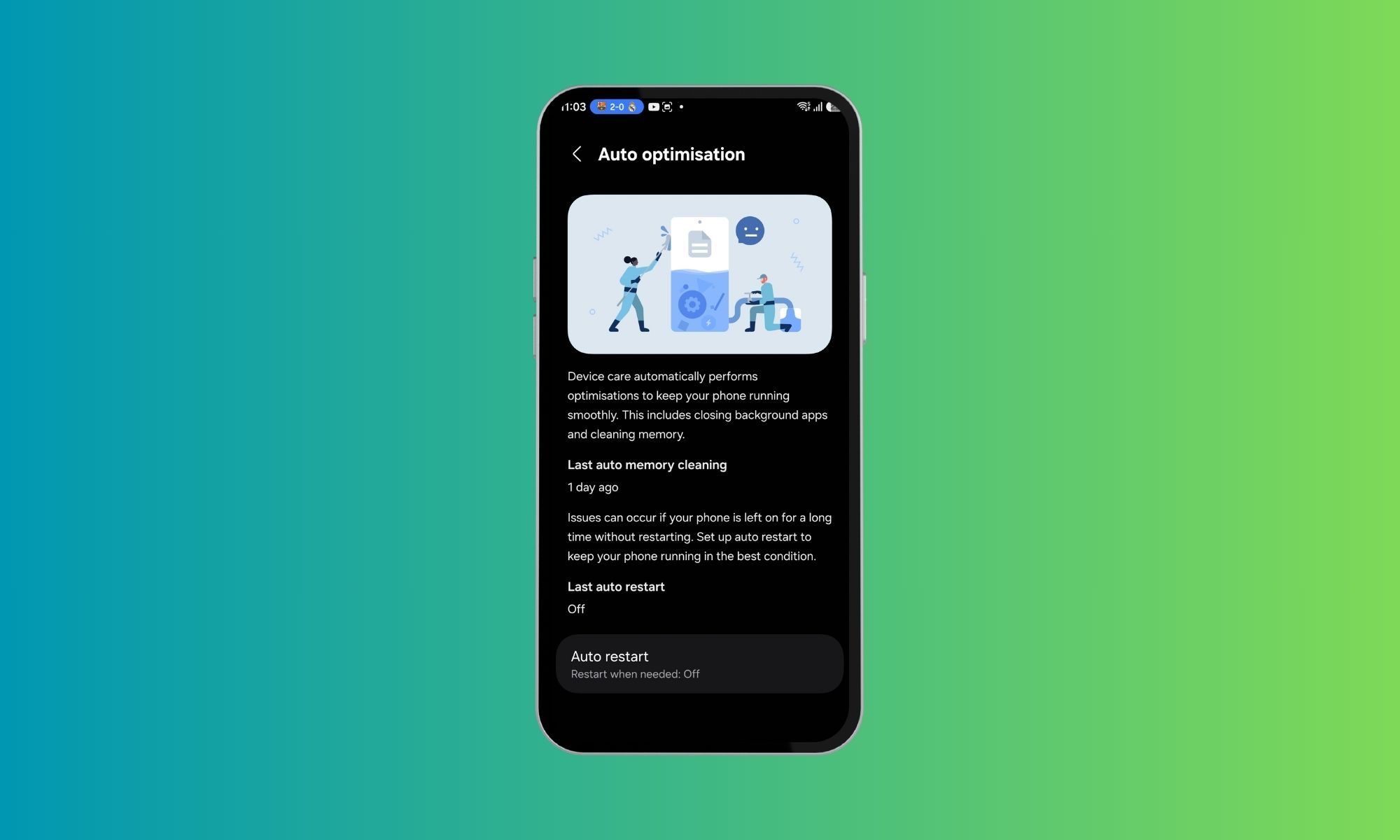
After that, head back to the main Device Care screen and turn on AutoOptimization. This automatically runs a quick system check for issues such as unnecessary background activity, battery drain, and storage problems. And honestly, that is pretty much it. Once the settings are in place, the Galaxy S26 handles the rest in the background without constantly asking for your attention.
In the end, I’d say just enable the features that genuinely match how you use your phone and make your everyday experience easier.
The hardest part was letting go of control
The strange part, honestly, was learning to trust the feature in the first place. There is something slightly uncomfortable about handing over battery management to your phone and letting it decide when to slow charge or stop before 100 percent. Even when you understand the logic behind it, your brain still has that little moment of panic when you wake up and see 97 percent instead of a fully topped-up battery. For the first few days, I kept checking to make sure something was not broken.
Shimul Sood / Digital Trends
But once I stopped second-guessing it, the benefits became pretty obvious. My battery health has held up noticeably better during my time with the Galaxy S26 than it ever did when I was trying — and mostly failing — to manage charging habits on my own. And I think that is what makes this feature work so well for me: it removes the need for constant discipline. At some point, I just had to admit something simple — the phone is better at managing its battery than I am.
The S26 became the adult in the room again
What surprised me most was not just the impact on battery health, but how much mental clutter this feature removed from my day. I stopped constantly checking my phone’s charge percentage, stopped debating whether to plug it in now or wait a little longer, and stopped worrying about accidentally leaving it charging overnight.
Vikhyaat Vivek / Digital Trends
That is what Device Care gets right. It takes over the small decisions, so you no longer have to think about them all the time. And honestly, that is exactly what good software should do — solve a problem so smoothly that it fades into the background of your life. If you are the kind of person who reads battery health advice, fully agrees with it, and then forgets to follow it three days later, this feature feels absolutely perfect. It basically handles the discipline part for you. And apparently, that was exactly what I needed.
The Federal Communications Commission has extended a key waiver allowing certain foreign-made routers, drones, and drone components to continue receiving software and firmware updates in the United States until at least January 1, 2029.
The move comes after growing concerns that millions of already-deployed devices could become cybersecurity risks if manufacturers were suddenly blocked from issuing security patches and compatibility updates. The decision was announced through the FCC’s Office of Engineering and Technology (OET), which also expanded the scope of the waiver to cover additional software-related changes needed to maintain device functionality.
Security concerns forced a regulatory rethink
The extension follows a broader FCC crackdown that added certain foreign-produced routers and unmanned aerial systems to the agency’s “Covered List” in late 2025 and early 2026 over national security concerns. Those restrictions effectively blocked new approvals and limited post-certification modifications for affected devices.
Initially, existing waivers would have allowed updates only until 2027. However, regulators later acknowledged that cutting off software support entirely could create a bigger problem by leaving devices exposed to vulnerabilities, cyberattacks, and compatibility failures.
The updated waiver now permits critical firmware and software updates for previously authorized devices, even though the products themselves remain subject to broader restrictions. The FCC emphasized that the policy does not reverse the bans or remove affected products from the Covered List.
Why consumers should pay attention
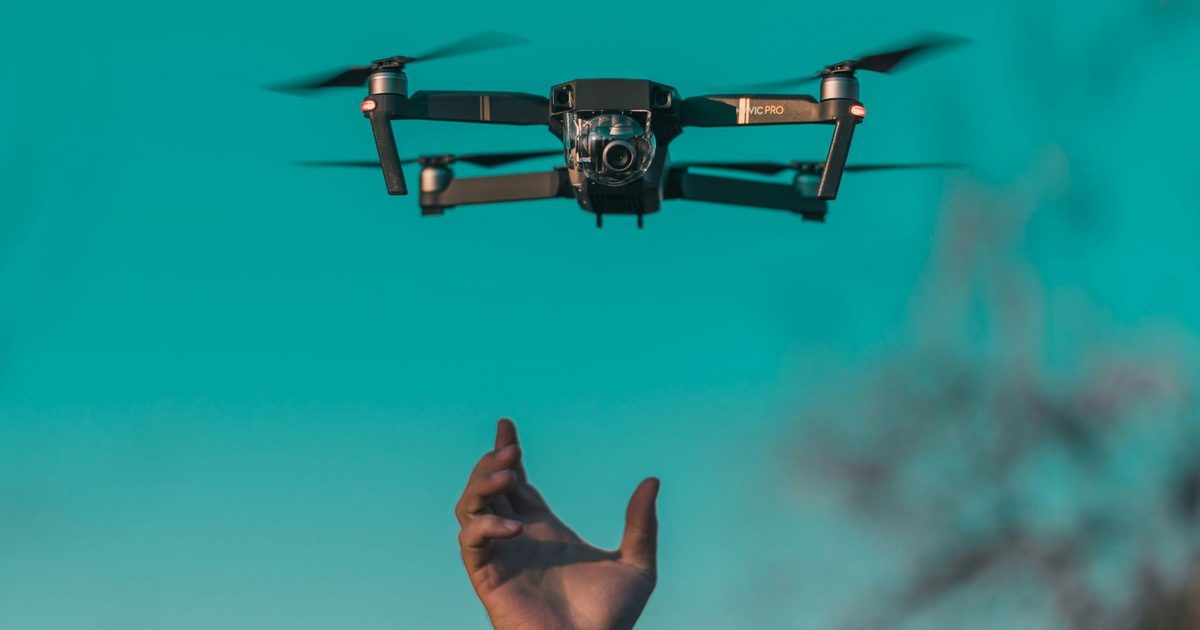
For everyday users, the decision matters because routers and drones depend heavily on ongoing software support to remain secure and functional. Routers in particular act as gateways for home networks, connecting phones, laptops, smart TVs, cameras, and other internet-enabled devices. Without security patches, known vulnerabilities can become easier targets for hackers.
DroneUnsplash
The FCC’s extension effectively gives consumers more time before worrying about their devices becoming unsupported or obsolete. It also reduces the risk of millions of products suddenly losing compatibility with future operating systems, networks, or connected services.
What happens next
While the waiver offers temporary relief, it also highlights the growing tension between national security policy and practical cybersecurity needs. Regulators are now expected to spend the next few years developing a more permanent framework governing foreign-made networking equipment and drones.
For manufacturers, the message remains mixed: existing products can continue receiving critical updates, but future approvals for foreign-made devices will likely face tighter scrutiny and more restrictive oversight in the years ahead.
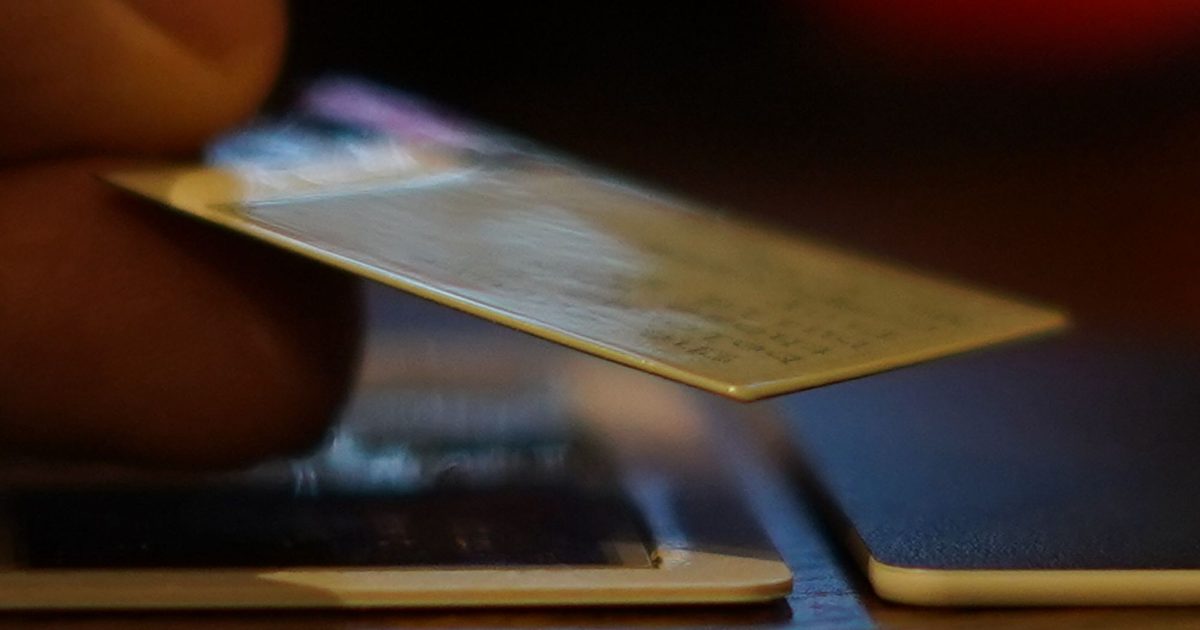
A developer has built a remarkably thin computer that is almost the same size and thickness as a standard credit card, potentially opening the door to a new category of ultra-portable computing devices.
Called the “Muxcard,” the experimental device combines a fully functional microcomputer, wireless connectivity, NFC support, sensors, and an E Ink display into a body measuring just 1mm thick – thin enough to fit inside a regular wallet alongside bank cards. The project, created by GitHub user “krauseler,” has quickly drawn attention from the maker and hardware enthusiast community for pushing the physical limits of compact electronics.
A tiny computer designed to fit in your wallet
Despite its slim form factor, the Muxcard includes surprisingly capable hardware. The device is powered by an ESP32-C3 microcontroller and integrates a 1.54-inch flexible E Ink display, NFC hardware, an IMU motion sensor, Bluetooth and Wi-Fi connectivity, and a miniature lithium-polymer battery.
Muxcardkrauseler/Github
The engineering challenge was not simply shrinking components, but making them durable enough to survive everyday bending and pressure inside a wallet. According to project details shared online, the creator used flexible PCBs and carefully separated sensitive components into “islands” connected through bend-tolerant sections to reduce mechanical stress.
One of the biggest hurdles involved integrating the E Ink display into such a thin device. Traditional connectors were reportedly too bulky, forcing the creator to hand-solder connections directly onto the display flex cable. Power management also became a major challenge because ultra-thin batteries offer extremely limited capacity.
Why this matters beyond a DIY project
At first glance, the Muxcard may seem like a niche experiment for hobbyists. However, the project reflects a broader trend toward invisible and ambient computing – devices becoming smaller, thinner, and more seamlessly integrated into everyday objects.
Muxcardkrauseler/Github
The use of an E Ink screen is particularly important because it consumes almost no power while displaying static information, allowing the card to remain functional for longer periods despite its tiny battery. The low-power design could make devices like this suitable for secure identification, digital business cards, two-factor authentication systems, event passes, or minimalist smart home controls.
For consumers, projects like the Muxcard offer a glimpse into how future computing devices may evolve beyond phones and wearables into objects people already carry every day.
What comes next
The Muxcard remains an experimental open-source project rather than a commercial product. However, the hardware files and firmware have already been published online for non-commercial use, meaning developers and enthusiasts can attempt to build their own versions.
As flexible electronics, thin batteries, and low-power displays continue improving, concepts like the Muxcard could eventually influence future digital IDs, secure authentication tools, and ultra-portable computing devices.
It is already May, signaling that the next major iPhone release cycle is approaching. In just a few months, the iPhone 18 Pro will take center stage, and I must admit, the anticipation of each new launch still brings me joy. There is a unique thrill in the lead-up, the constant stream of rumors, the keynote countdown, and the endless speculation.
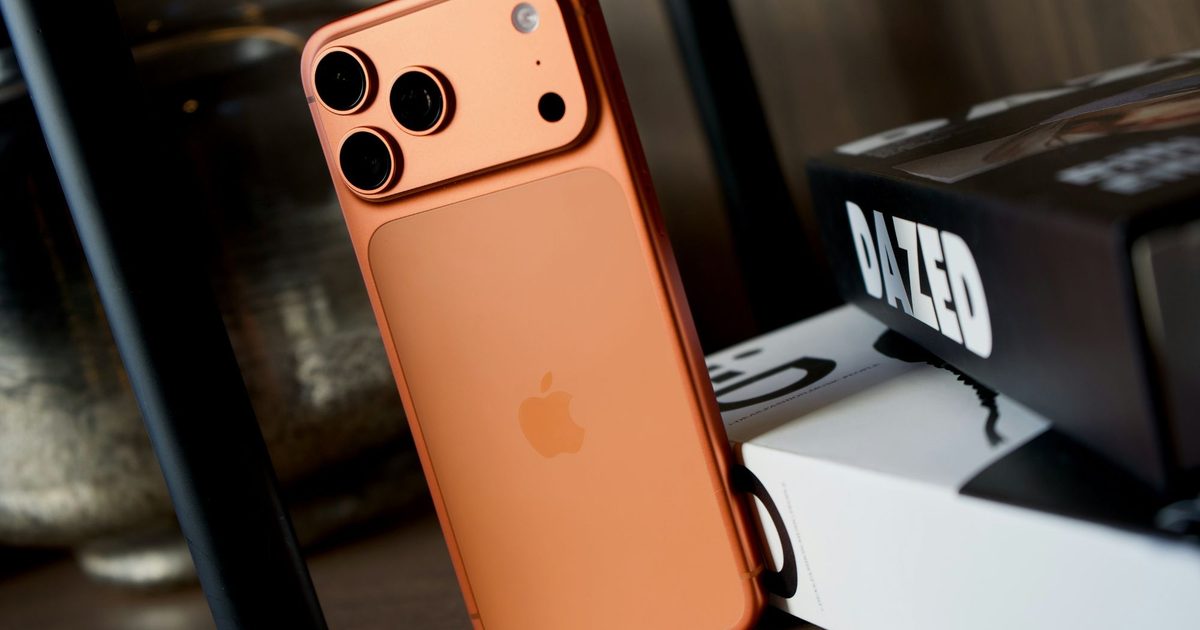
However, a recent video from Jon Prosser at Front Page Tech offers what might be a preliminary glimpse of the upcoming Pro device, and frankly, it left me somewhat unimpressed. If these renders hold any truth, the design feels overly familiar. It is certainly not unappealing; it just feels too safe, failing to generate much excitement. At first glance, it barely registers as a distinct new generation.
The iPhone Design Cycle Persists
Prosser indicates that the most significant visual update for the iPhone 18 Pro might be a marginally reduced Dynamic Island compared to its predecessor. This seems to be the extent of the “new design” narrative. Rumors regarding under-display Face ID technology also appear to have been put to rest for this year, meaning the front of the device could look virtually identical to the current model.
This is precisely where the disappointment lies. Each year, we hope Apple will unveil a visually striking change that makes the new device feel exciting immediately upon unboxing. Yet, if these leaks are correct, the iPhone 18 Pro appears to be a cautious evolution. A smaller Dynamic Island is a welcome tweak, but it is unlikely to be noticed by anyone outside of tech enthusiast circles.
Fpt. on YouTube
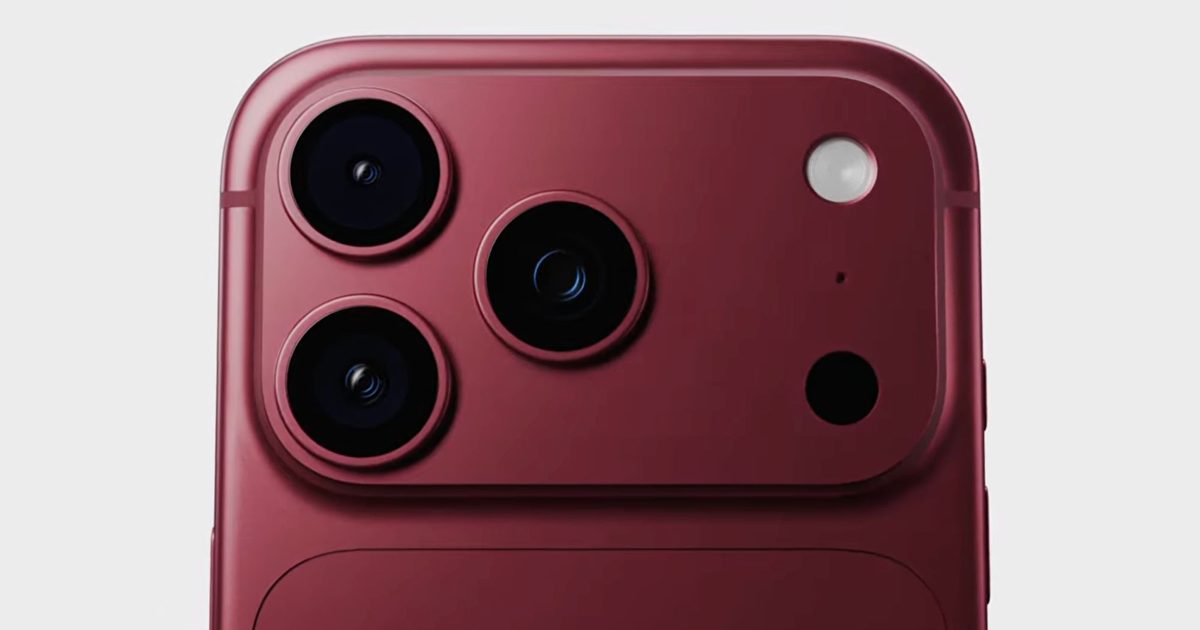
Regarding color options, Prosser suggests Apple might offer hues such as light blue, dark cherry, dark gray, and silver. The rear of the device is still expected to feature 48MP camera sensors across all lenses, but the key innovation may lie elsewhere. Prosser notes that Apple could finally implement a variable-aperture main camera, enabling the lens to adapt to lighting conditions. This could result in crisper images, improved low-light capabilities, and more realistic depth effects.
Internal Power Increases, But Exterior Remains Static
There may be a trade-off, however. Reports indicate the Camera Control button will only support pressure-sensitive inputs this year, potentially to reduce production costs. Thus, while Apple advances camera hardware, it may be simplifying certain features internally.
Fpt. on YouTube
Under the hood, the iPhone 18 Pro is rumored to utilize Apple’s new A20 Pro chip, which Prosser claims could deliver a 50% speed boost and 30% better power efficiency than the prior generation. Battery improvements appear modest, with the Pro Max potentially moving from a 5,100mAh to a 5,200mAh cell, which is hardly a revolutionary jump. A more compelling addition might be Apple’s new C2 modem, with Pro models supporting satellite-based 5G connectivity, a genuinely forward-looking feature.
Perhaps the most revealing aspect of Prosser’s leak is his own enthusiasm for Apple’s rumored foldable device, reportedly named the iPhone Ultra. He suggests this product will truly capture attention this year. That statement speaks volumes. While the iPhone 18 Pro sounds refined, powerful, and predictably premium, it feels like another iteration on a well-worn path.











 Fpt. on YouTube