Latest News

  • Google’s Upcoming Screen-Free Fitness Band, Named Fitbit Air, Targets Whoop’s Market Dominance

    Google’s Upcoming Screen-Free Fitness Band, Named Fitbit Air, Targets Whoop’s Market Dominance

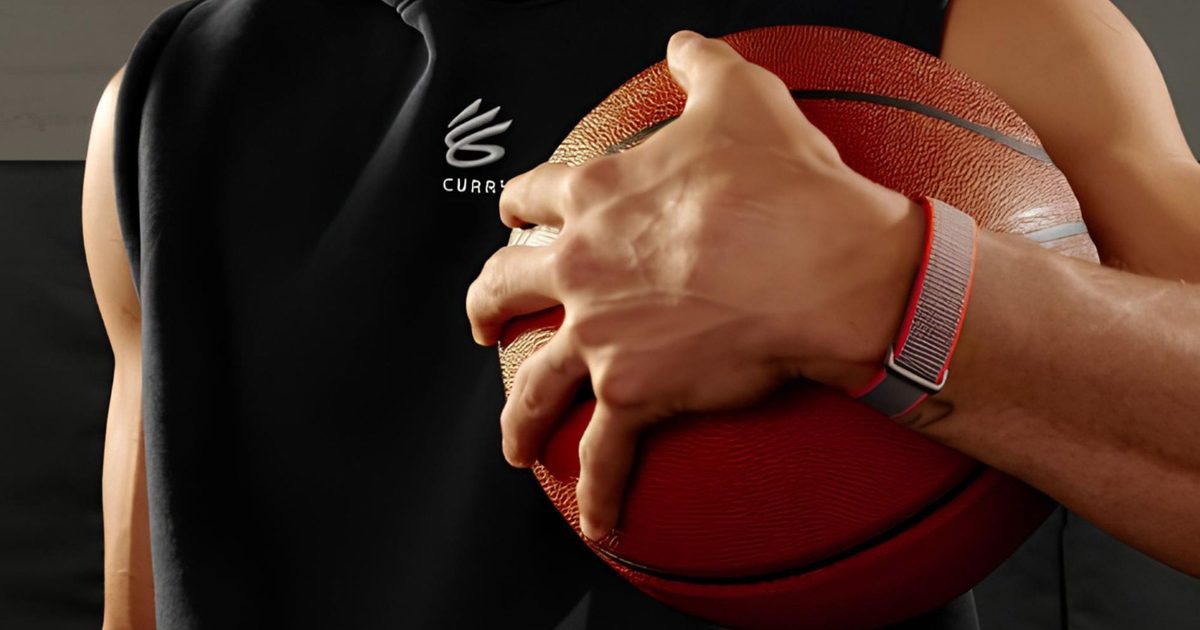
    Google has been teasing a screen-less fitness band since late March, and now we finally know what it is called. According to 9to5Google, the upcoming device will be marketed as the “Google Fitbit Air.” NBA star Stephen Curry has already been spotted wearing it since the start of 2026, giving the world its first real look at Google’s answer to Whoop.

    What is the Fitbit Air and how it plans to take on Whoop

    The Fitbit Air takes direct aim at Whoop, the popular screen-less fitness tracker favored by athletes for its detailed health data like recovery, strain, and sleep tracking. The Fitbit Air appears to follow the same playbook. The “Air” name points to a thinner, lightweight design built for all-day wear without the bulk of a traditional smartwatch.

    A Google I/O launch looks plausible given how publicly Curry has been teasing the device. Some basic features will reportedly be free, but advanced tools like the AI-powered Ask Coach feature will sit behind a paid subscription.

    The Fitbit Air would also be the first major non-Pixel wearable to launch under Google’s leadership since the Fitbit acquisition, which adds real pressure on the device to deliver.

    What is Google Health and how does it change the Fitbit experience?

    The hardware is only half the story. Google plans to rebrand Fitbit Premium, its existing paid subscription, as Google Health. Additionally, Google will integrate Gemini directly into the Fitbit app to power personalized health insights. These AI features are already being tested through the Fitbit Health Coach public preview.

    Once the Fitbit Air launches, the Health feature will get rebranded too, as the Google Health Coach. The teaser shared by Curry ended with a Google “G” with zero Fitbit branding, which now makes a lot more sense. Google is clearly betting that its own name carries more weight in the health tech space than Fitbit does at this point.
  • Motorola Extends Android 17 Beta Program to Additional Razr and Edge Devices

    Motorola Extends Android 17 Beta Program to Additional Razr and Edge Devices

    Motorola is broadening its Android 17 beta program to encompass several additional older models. This latest update includes invitations for previous-generation flagships and foldable devices.

    According to Android Authority, Motorola is granting Android 17 beta access to three additional devices: the Motorola Razr Plus 2025, Motorola Razr Plus 2024, and the Motorola Edge 50 Ultra. In certain regions, the Razr Plus 2024 and 2025 models are marketed as the Razr 50 Ultra and Razr 60 Ultra. These are all high-end devices, which are now finally receiving access to the latest beta release.

    Expanding Beta Access to More Devices

    Motorola is no longer restricting the beta to a small initial group. The program is now being broadened to include two foldable phones and one flagship slab device. Initially, the company launched the Android 17 beta in February, making it available for the Moto Edge (2025), Moto G57, and Moto G57 Power.

    This update comes shortly after Google began its rollout, and the company now appears more open to distributing access widely than in the past. For a brand that has not always been known for rapid Android updates, this change is significant. Although this is still beta software, Motorola seems more motivated than usual to demonstrate progress in this release cycle.

    Beta Access Eligibility and Availability

    Motorola is currently accepting applications from users in the US, India, Europe, Latin America, and Brazil. This wide geographic coverage makes the program feel less like a restricted regional preview and more like a substantial expansion for users eager to test the software early.

    The application process follows a standard procedure. Users must register an account on Motorola’s official community site, add their device’s IMEI or serial number to their profile, join the Motorola Feedback Network, and submit an application via the Beta Testing Opportunities page. Upon approval, the company will deliver the beta update over-the-air.

    Keep in mind that this is still beta software. Users should anticipate potential issues such as malfunctioning features, increased battery consumption, crashes, or other instabilities.

  • Mercedes-AMG’s Future Electric Models May Utilize Samsung SDI Battery Technology

    The upcoming Mercedes-Benz EV might be powered by Samsung’s battery technology. Samsung SDI has finalized a multi-year agreement to supply batteries to Mercedes-Benz, marking the South Korean firm’s inaugural EV battery partnership with the premium automotive brand.

    Details on the EV Battery Partnership

    Samsung SDI has indicated that the batteries will feature high-nickel NCM chemistry and will be integrated into Mercedes-Benz’s next-generation electric vehicles. As reported by the Korea JoongAng Daily, Mercedes intends to incorporate Samsung SDI’s cells into forthcoming compact and mid-size electric SUVs and coupe models.

    Although the announcement currently lacks specific details, it remains a significant development.

    Significance of the Supplier Change for Mercedes

    The key takeaway is that this represents Samsung SDI’s first battery contract with Mercedes-Benz. According to Korea JoongAng Daily, Mercedes previously depended on LG Energy Solution and SK On for EV batteries, while Samsung SDI’s automotive battery partnership had primarily been with BMW.

    Thus, this marks a strategic expansion of Mercedes’ battery supply chain as automakers seek to balance range, performance, cost, and long-term supply security. Samsung SDI states its cells are engineered to provide extended driving range, improved durability, high output performance, and integrated safety features.

    The report highlights that Mercedes-Benz chairman Ola Källenius met with Samsung Electronics executive chairman Lee Jae-yong during a visit to Korea last year, and that Mercedes already collaborates with Samsung in other areas including in-vehicle displays and Samsung Wallet digital key support.

    Therefore, the German automaker is not relying on a single supplier for its EV future. This development coincides with Mercedes-Benz’s push into EVs with improved range and charging technology, making this deal a logical progression.

  • OnePlus Unveils Innovative Gaming Controller with Clever Charging Solution

    OnePlus Unveils Innovative Gaming Controller with Clever Charging Solution

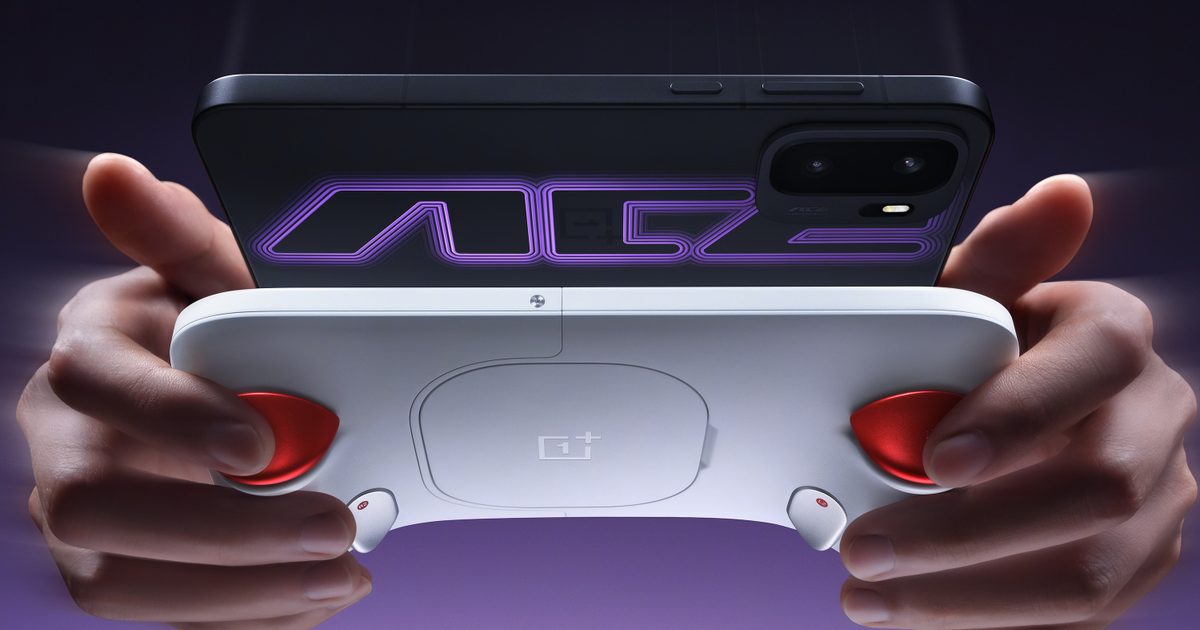
    OnePlus’s latest accessory for the Ace 6 Ultra appears to be another effort to transform a smartphone into a portable gaming device, but its most compelling feature is the central opening. OnePlus explains that this area is specifically designed for heat dissipation, and promotional visuals confirm it’s more than just a grip with added triggers. The design intentionally leaves space for thermal management and convenient power access simultaneously.

    While promoting its gaming capabilities, including four tactile buttons, hybrid touch/button inputs, micro-switch triggers, a 1 kHz polling rate, and a reported 1.8 ms latency, the controller’s true strength lies in sustained comfort. This is particularly valuable for fast-paced shooters where awkward hand positions and overheating can quickly ruin gameplay.

    Why the Central Cutout Is Key

    The middle section is where the design logic truly shines. OnePlus’ promotional materials suggest compatibility with an attachable magnetic cooling system, while the lower USB-C port allows players to charge their device during gameplay without cables interfering with their hands. The contoured grips further reinforce the idea that this is meant to function more like a dedicated handheld console than a simple phone mount.

    Mobile gaming peripherals often force compromises: protruding chargers, obstructive coolers, or awkward ergonomics after extended use. OnePlus seems to be addressing these issues, though confirmation regarding compatibility with OnePlus or Oppo wireless charging pads remains pending based on available information.

    Prioritizing Ergonomics Over Raw Specs

    OnePlus is positioning this as a premium accessory for competitive shooters. Promotional visuals emphasize customizable button layouts, integrated touch-and-button functionality, and an embedded gaming antenna for improved connectivity.

    This thoughtful layout matters more than impressive specifications. While high-speed response times look good on marketing materials, factors like thermal buildup, battery depletion, and cable management typically degrade long gaming sessions first.

    Key Considerations Ahead of Release

    The controller was exclusively announced for the Chinese market on April 28, 2026, with no confirmed international launch date. OnePlus also clarified that the accessory will be sold independently, with final specifications to be detailed in official communications.

    If OnePlus validates compatibility with its or Oppo’s magnetic cooling accessories, this could become a standout addition to mobile gaming. Without that confirmation, it remains a well-designed controller, albeit without a unique selling point.

  • China Moves to Regulate the Booming Market for AI-Powered Virtual Personas

    China Moves to Regulate the Booming Market for AI-Powered Virtual Personas

    China is intensifying its regulatory framework for the rapidly expanding “digital human” sector, as emotionally engaging AI avatars—some designed to resemble deceased relatives—become increasingly common nationwide. This regulatory push highlights the growing visibility of both the commercial opportunities and ethical dilemmas associated with the technology.

    The Intersection of Loss, Tech, and a Thriving Sector

    After her father passed away from cancer, Zhang Xinyu, a 47-year-old resident of Liaoning province, utilized artificial intelligence to create a digital replica. Partnering with the firm Super Brain, she developed an avatar that mimics his appearance and voice, enabling her to maintain online interactions with him. She shared with AFP that this process provided significant emotional support and aided her in processing her loss.

    This personal narrative illustrates a wider phenomenon in China, where AI-created “digital humans” are seeing explosive growth. These highly realistic avatars are increasingly utilized on social platforms, particularly within digital retail and media production. Xinhua News Agency reports that the industry reached a valuation of approximately 4.1 billion yuan ($600 million) in 2024, marking an 85% increase from the previous year.

    Despite the enthusiasm, the technology faces skepticism. Detractors caution that these digital replicas might foster unhealthy emotional attachments or provide what Zhang characterized as “illusory solace,” even when the user’s grief is authentic.

    Policy Implementation Accelerates

    Addressing these apprehensions, China’s Cyberspace Administration has released preliminary guidelines designed to enhance control over the sector. The draft legislation mandates explicit identification of AI-generated material and forbids the creation of digital copies without explicit permission from the subject.

    Furthermore, the regulations aim to curb potential abuses, such as fraudulent activities, the spread of false information, and material that could endanger social harmony or national safety. Businesses found in breach of these standards may be subject to penalties between 10,000 yuan ($1,460) and 200,000 yuan ($29,300).

    The need for oversight was highlighted by a widely circulated video of an elderly woman engaging with a hyper-realistic AI version of her late son without realizing it. The footage, which spread rapidly across Chinese social networks, ignited discussions about whether such AI applications offer genuine comfort or constitute a form of trickery.

    Navigating Progress and Potential Dangers

    Analysts note that China’s strategy follows a well-established trajectory: swift technological advancement followed by prompt regulatory action. Regulators are especially focused on safeguarding young users, with proposed measures that would outlaw AI platforms designed to foster emotional reliance or mimic romantic interactions for minors.

    Concurrently, market participants recognize that oversight is unavoidable. The founder of Super Brain has characterized the proposed rules as a crucial measure to harmonize technological progress with ethical accountability.

    Future Implications

    The draft regulations remain open for public feedback through early May, with more rigorous enforcement anticipated afterward. The state’s overarching objective is to promote AI integration while exerting firm control over its social consequences.

    As “digital humans” transition from a curiosity to a standard utility, China’s regulatory framework may serve as a template for other nations facing comparable ethical challenges—particularly concerning consent, identity, and the emotional influence of artificial intelligence.

  • Silent Speech Decoded: New Wearable AI Translates Subtle Neck Movements Into Audible Voice

    Silent Speech Decoded: New Wearable AI Translates Subtle Neck Movements Into Audible Voice

    Scientists at Pohang University of Science and Technology (POSTECH) have engineered a groundbreaking wearable gadget capable of transforming silent speech into audible speech by tracking minute muscle activity in the neck. Under the guidance of Professor Sung-Min Park and Dr. Sunguk Hong, this research was featured in Cyborg and Bionic Systems, highlighting a major advancement in how humans and machines interact.

    Turning Physical Cues Into Vocal Output

    The core concept behind this development is straightforward yet impactful: speaking involves more than just producing noise. Whether someone is talking aloud or merely attempting to do so in silence, the muscles and skin around the neck undergo slight shifts. These shifts create an “unseen blueprint” of what the person intends to say.

    To record these subtle shifts, the team engineered a wearable tool known as a multiaxial strain mapping sensor. This device merges a tiny camera with pliable silicone containing reference points, enabling it to spot even the faintest skin changes. Built for everyday wear, the sensor fits comfortably around the neck and adjusts itself automatically when moved.

    Once gathered, the data undergoes artificial intelligence processing to decode the strain patterns and rebuild the desired words or phrases. By syncing this with voice synthesis tailored to the user’s unique vocal characteristics, the device produces speech that mirrors the individual’s natural tone—despite the absence of any actual sound.

    A Functional Advance Beyond Current Solutions

    Conventional methods for restoring voice often depend on tools like Electromyography (EMG) or Electroencephalography (EEG), which typically demand heavy, cumbersome gear and can cause discomfort during prolonged wear.

    The POSTECH team’s solution sidesteps these issues by providing a slim, wearable option. During trials, the system showed impressive precision in recreating speech, even in loud settings like factories where standard microphones fail.

    Broad Applications And Upcoming Developments

    This technology holds significant promise across multiple fields. It may offer a fresh communication route for individuals who have lost their voice from throat injuries or surgical procedures, allowing them to “speak” using their original vocal signature.

    Outside of medical applications, the system could facilitate quiet communication in places where talking is inconvenient—like libraries, corporate meetings, or loud workspaces. It also paves the way for smoother human-AI interactions, where thoughts can be turned into speech without requiring vocal effort.

    What Comes Next

    The research group plans to enhance the technology for widespread use, boosting its precision and adding support for more languages. Upcoming versions might integrate more smoothly with everyday gadgets, possibly revolutionizing communication in both casual and work-related contexts.

    As AI becomes increasingly intertwined with wearable technology, breakthroughs like this point toward a future of more seamless, unobtrusive interaction—where even unvoiced thoughts can finally be understood.

  • Honor’s Win H9 Gaming Laptop Tackles Motion Sickness with a 300Hz Display

    Honor’s Win H9 Gaming Laptop Tackles Motion Sickness with a 300Hz Display

    Gaming laptops typically market themselves using standard features like increased power output, larger graphics cards, quicker refresh rates, and more. However, Honor’s upcoming Win H9 is taking a different approach, and it’s quite intriguing.

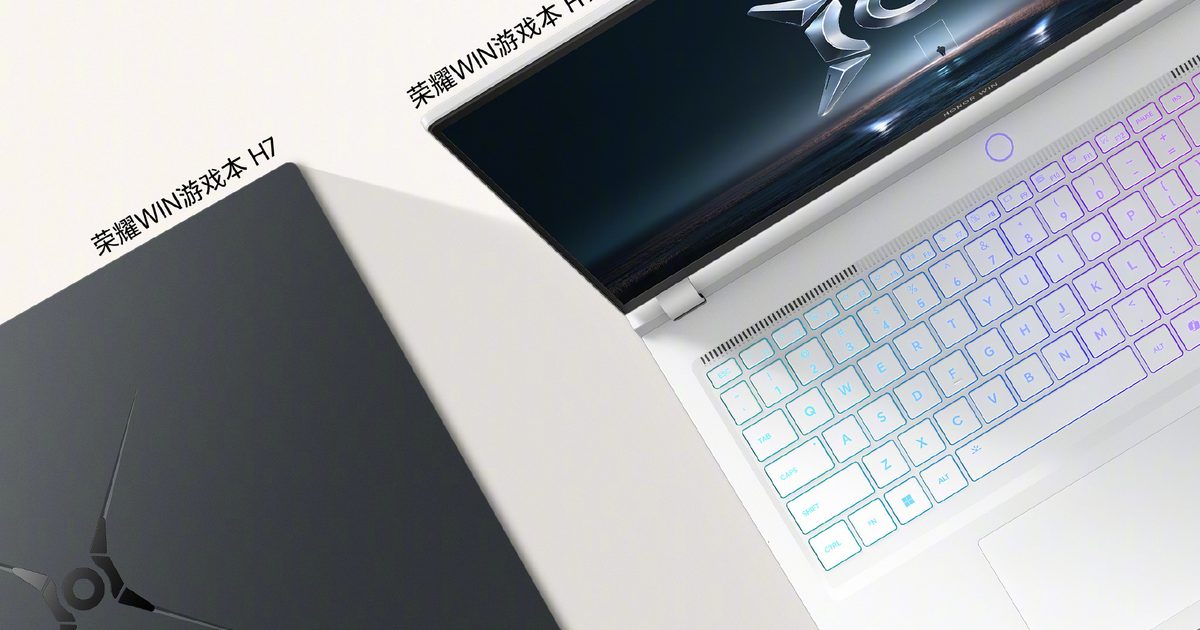
    In a recent teaser, Honor revealed details about its new flagship Win H9 gaming laptop, set to be officially announced on April 23. While it boasts typical high-performance internals and an advanced cooling setup, the standout feature is the innovative “3D Game Anti-Dizziness” display technology.

    The Display Takes Center Stage

    The Honor Win H9 will launch with a 16-inch LCD screen featuring a rapid 300Hz refresh rate, a 3ms response time, and 500 nits of peak brightness. The main focus, however, is on eye comfort. As the name implies, this feature aims to lessen motion discomfort during fast-paced 3D games, particularly in first-person shooters and racing titles.

    Honor explains that this is a combined hardware and software approach designed to make intense gaming sessions less taxing on both the eyes and the stomach. If successful, this could be a significant benefit for gamers who typically avoid certain titles due to display-induced motion sickness.

    Thus, motion-comfort tuning might elevate the Win H9 beyond just another spec-heavy gaming machine.

    Powerful Hardware and Cooling

    The WIN H9 doesn’t rely solely on this unique display feature. The top-tier configuration offers a true flagship experience, equipped with an Intel Core Ultra 9 290HX Plus paired with the Nvidia GeForce RTX 5070 Ti, delivering a combined 270W of power. Additionally, Honor has introduced what it claims is the world’s first six-fan cooling system, which is about as understated as bringing a leaf blower to a LAN party.

  • China’s Streaming Giant iQiyi Bets Big on AI-Generated Content to Reverse Financial Decline

    China’s Netflix, iQiyi, is placing one of the most significant wagers in the history of streaming services. The corporation aims for AI to produce the majority of its movies and series in the near future, and it is already overhauling its 16-year-old operations to achieve this goal.

    During its yearly content event in Beijing, founder and CEO Gong Yu revealed that iQiyi is transforming its widely used streaming service into a social media hub centered on AI-created material.

    Concurrently, the firm introduced Nadou Pro, an AI application that reportedly manages nearly every stage of video production, from initial scripts and storyboards to the final edited footage.

    Can Artificial Intelligence Rescue a Fading Streaming Leader?

    As reported by Bloomberg, IQiyi has experienced prolonged financial losses due to the rapid growth of short-form video apps like Douyin, which have drawn away its viewership. Revenue is projected to fall by 13% in the first quarter alone. Gong views AI as the solution, and his approach is clear. “This is a once-in-a-decade opportunity,” he stated to the crowd. “We must ride the wave.”

    The corporation hopes to launch a commercially profitable AI-made movie as soon as the upcoming summer. To attract independent creators, it is providing an extra 20% share of ad and subscription earnings to those producing AI material on the site. Additionally, a new dedicated app will allow users to engage with characters from its programs.

    What Happens to Traditional Productions?

    Gong assured that funding for professionally crafted series will continue, though he acknowledged that such content will occupy a smaller portion of the platform over time. AI-generated material is undeniably the primary focus.

    While I am not opposed to the growth of AI content online, concerns arise when it begins to displace human creators. AI has turned into a lucrative trend that everyone wants to capitalize on, and IQiyi is the newest to follow suit.

    Each time I observe this development, I am convinced that AI represents another potential bubble. For instance, a footwear brand recently shifted from manufacturing shoes to building AI infrastructure, causing its share price to jump nearly 600%.

    It will be fascinating to determine which enterprises endure this AI wave once the bubble deflates and stability returns.

  • Blue Origin Achieves First Reuse of New Glenn Booster in Historic Flight

    Blue Origin Achieves First Reuse of New Glenn Booster in Historic Flight

    Blue Origin has reached a significant milestone in its spaceflight goals by successfully reusing a booster from its heavy-lift New Glenn rocket for the first time. The historic launch, conducted on April 19, marks a major advancement for Jeff Bezos’ space company as it aims to compete with rivals like SpaceX in the rapidly evolving commercial launch market.

    A Milestone With Mixed Results

    The mission marked the third flight of the New Glenn rocket and included a previously flown first-stage booster, highlighting Blue Origin’s commitment to reusable rocket technology. The booster successfully landed after launch, proving that the company can recover and reuse critical hardware—a capability that has been essential for reducing launch costs in the space industry.

    However, the mission was only a partial success. While the rocket launched and deployed its payload – a BlueBird 7 communications satellite for AST SpaceMobile – the satellite was placed into a lower-than-intended orbit. Due to limited onboard propulsion, the satellite is unlikely to function as planned and may eventually be deorbited.

    Why This Matters

    Despite the payload setback, the successful reuse of the New Glenn booster is a crucial breakthrough. Reusability is considered the key to making space launches more cost-effective and sustainable. SpaceX has long leveraged reusable rockets to dominate the market, and Blue Origin’s achievement signals its intent to challenge that leadership.

    New Glenn itself is designed as a partially reusable heavy-lift rocket capable of carrying large payloads into orbit, with its first stage built to fly multiple times. Demonstrating reuse in real-world missions validates years of engineering and brings the company closer to routine, lower-cost launches.

    Why You Should Care

    For consumers and businesses, advancements in reusable rockets can translate into cheaper satellite launches, improved global connectivity, and faster deployment of space-based services. This includes everything from broadband internet to Earth observation and navigation systems.

    The success of reusable systems also accelerates competition, which historically drives innovation and lowers costs across industries.

    What Comes Next

    Blue Origin is expected to continue refining the New Glenn system, particularly its upper-stage performance, which caused the mission’s primary failure. The company has multiple launches planned as it works to scale operations and increase launch frequency.

    Future missions will likely focus on achieving full mission success – combining reliable payload delivery with consistent booster reuse – as Blue Origin aims to establish itself as a serious contender in the global space race.

  • Character.AI Launches ‘Books’ Feature for Literary Roleplay Amid Safety Debates

    AI-driven chatbot service Character.AI has unveiled a fresh “Books” capability that enables individuals to enter the world of traditional literature and converse with characters via roleplay. This expansion of the platform’s creative scope occurs as the company faces increasing scrutiny regarding the potential real-world dangers linked to AI chatbots.

    Transitioning from Passive Reading to Active Participation

    The latest update converts public domain novels into interactive adventures, allowing users to experience tales such as Alice in Wonderland or Pride and Prejudice as active participants rather than mere observers. Participants can adhere to the original plot or branch off into alternative narratives, effectively transforming classic literature into a dynamic, AI-powered roleplaying setting.

    This development extends Character.AI’s foundational concept, where individuals design and converse with bots modeled after fictional or actual personas, further blurring the boundary between narrative and simulated connections. Experts have observed that these exchanges can mimic the experience of interacting with characters in novels or games, yet offer significantly greater emotional engagement due to the immediacy of dialogue.

    Navigating Controversy and Scrutiny

    The release arrives during a precarious period for the firm. Character.AI has encountered legal action and public backlash over suspected connections between its AI bots and psychological distress among adolescent users. In certain instances, relatives have asserted that extended engagement with AI personas led to emotional reliance, social withdrawal, and tragically, suicidal ideation.

    A highly publicized incident featured a young person who formed a profound emotional connection with a chatbot, with legal arguments suggesting the AI did not adequately address signs of self-harm.

    Widely, specialists caution that chatbots may inadvertently validate destructive thinking patterns or fail to act appropriately during psychological emergencies, especially when users rely on them as replacements for genuine human assistance.

    The Broader Implications

    Character.AI’s Books feature underscores a significant evolution in media consumption. Rather than just observing stories, users are now entering them, establishing interactive and potentially deep emotional ties with AI-managed characters.

    While this innovation unlocks fresh creative avenues, it also prompts worries about the depth of user immersion—particularly among younger demographics—into AI-crafted universes. The fusion of narrative involvement and conversational AI can heighten emotional bonds, complicating the ability to separate fantasy from reality.

    Looking Ahead

    Amidst mounting criticism, Character.AI has initiated safety protocols, such as limiting specific functions for underage users and testing more controlled formats like the Books mode.

    Future efforts will need to balance technological advancement with ethical responsibility. Policymakers, scientists, and technology firms are increasingly concentrating on establishing safety benchmarks for AI engagement, particularly within emotionally charged scenarios.

    As AI transitions from a functional tool to a companion-like entity, features like Books may define the next era of entertainment—while simultaneously serving as a critical evaluation of how securely that future can be constructed.