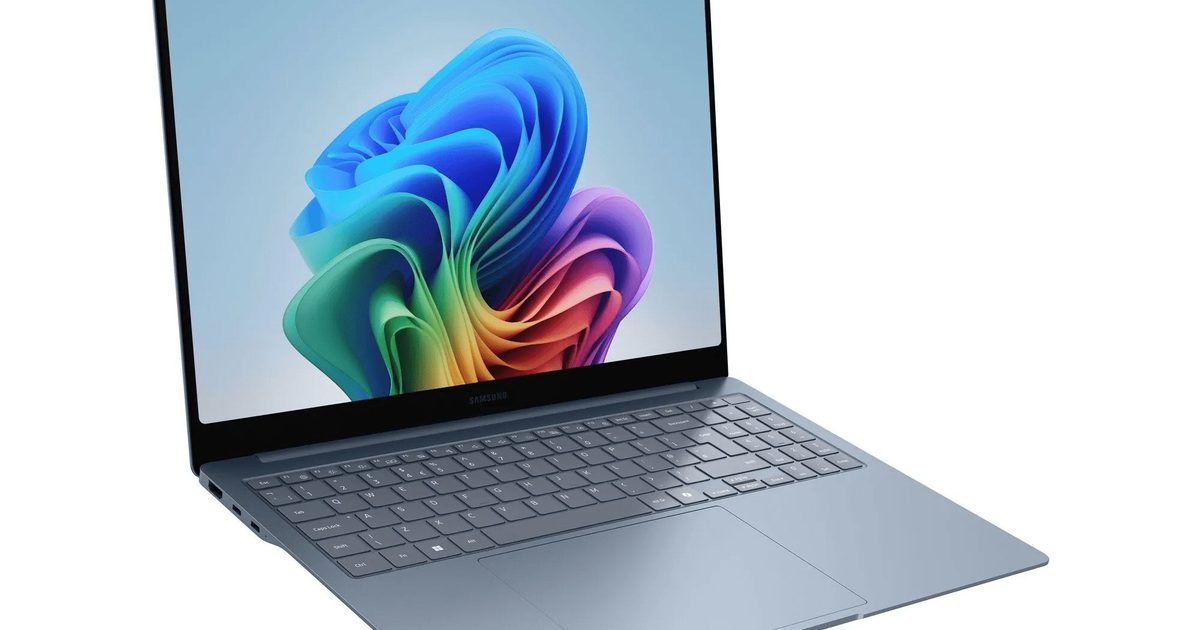
Samsung has just revealed full details of its latest Snapdragon-equipped laptop, combining high-end specifications with ARM architecture. However, it doesn’t quite emerge as the MacBook Neo-style disruptor that many had hoped for. New listings and leaked images of the Galaxy Book 6 Edge provide a comprehensive look at Samsung’s upcoming device, though the overall approach feels rather conventional.
Why this isn’t a budget Samsung laptop
 Cyberport
Following the pattern of its predecessor, the Galaxy Book 6 Edge slots between the Pro and standard models, powered by Qualcomm’s flagship Snapdragon X2 Elite processor. This top-tier ARM chip boasts up to 18 CPU cores. According to the Techgeeks listing, Samsung is equipping it with up to 32GB of LPDDR5X RAM and 1TB of SSD storage, firmly establishing it in the premium market.
 Cyberport
Given the current market landscape, characterized by industry-wide price increases and memory shortages, these specs alone suggest a high price point. The leaked pricing confirms this premium positioning, with the retailer listing the notebook at a starting price of €2,199. For comparison, the Snapdragon X-powered Galaxy Book 5 Edge launched at approximately $1,349.
If this leak is accurate, the new Galaxy Book will compete in the same price bracket as a MacBook Pro equipped with the M5 Pro chip.
Key Features to Note
 Cyberport
While the design doesn’t offer major surprises, battery life could be a standout feature. The listing highlights a 61.8Wh battery capable of delivering up to 22 hours of usage. Qualcomm’s laptop processors are renowned for their energy efficiency, and this aspect is likely where the Galaxy Book 6 Edge will excel.
 Cyberport
Additionally, the device features a 16-inch AMOLED display with 2.8K resolution (2880 x 1800), a 120Hz refresh rate, and 500 nits of peak brightness. Notably, this model lacks touch support and does not come in a smaller size option.
The Quest for an Affordable Alternative Continues
Currently, Samsung appears to be focusing on higher price points while maintaining its position in the premium segment. Unless the company plans to release a more aggressive, possibly Exynos-powered option, a true competitor to the MacBook Neo remains elusive.