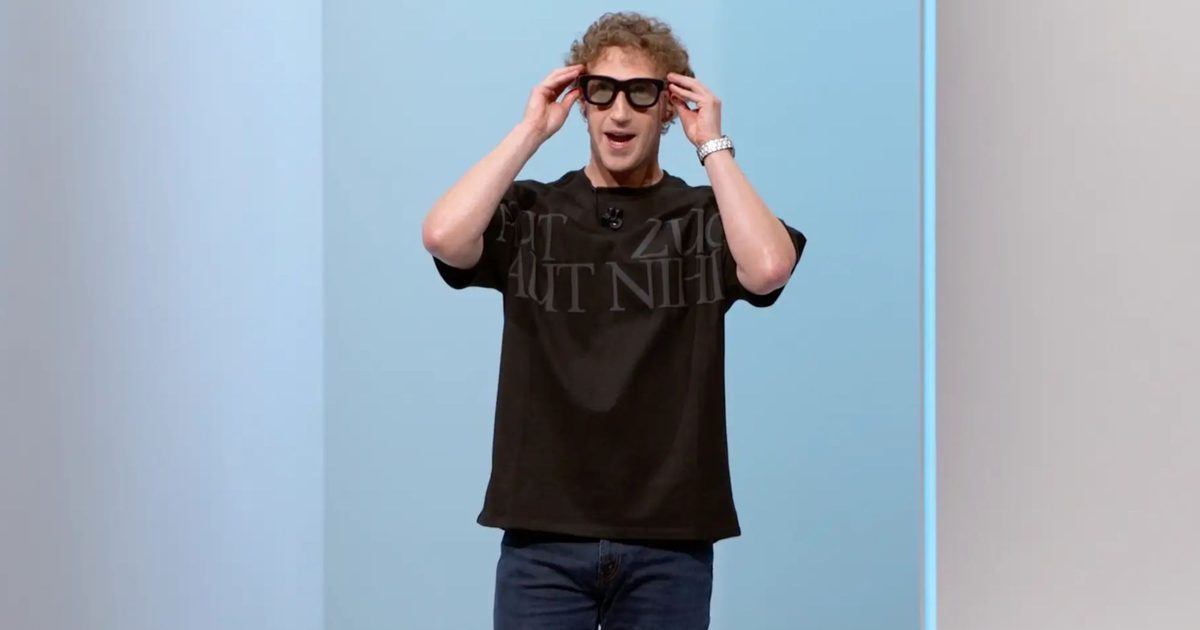
Meta’s Ray-Ban smart glasses are once again embroiled in controversy. A Kenyan artificial intelligence training company named Sama, which Meta employed to assist in training its AI models, saw its contract abruptly canceled shortly after its employees came forward with disturbing allegations (via BBC).
Workers allege they were repeatedly forced to view explicit material captured by Meta’s glasses, and now over a thousand of them have been left jobless.
The graphic content used to train Meta’s AI
Sama’s employees worked as data annotators, a job that requires manually tagging video footage to help Meta’s AI learn how to interpret images. They also examined transcripts of Meta AI conversations to ensure the chatbot provided correct responses.
What they apparently did not anticipate was reviewing videos of individuals engaging in sexual acts or using the restroom, all recorded through Meta’s glasses without the subjects’ awareness. In one instance, a man’s glasses were left recording in a bedroom, capturing his wife as she undressed.
Meta’s glasses do feature a small indicator light that activates when the camera is in use, though this has clearly not stopped misuse. The company acknowledged that contracted workers may occasionally review content shared with Meta AI, describing it as standard procedure for enhancing user experience.
What prompted Meta to end the contract?
Less than two months after those accounts surfaced, Meta terminated its agreement with Sama, leaving 1,108 workers without employment. Sama claims it met every standard Meta required and was never notified otherwise. However, Meta disagrees, stating Sama fell short of its expectations.
 Meta
MetaA Kenyan workers’ organization believes the true motive was to silence staff who had publicly discussed humans reviewing footage from smart glasses.
The UK’s Information Commissioner’s Office labeled the situation “concerning” in a letter to Meta. Additionally, Kenya’s data protection authority launched a formal investigation.
This isn’t Sama’s first contentious experience with Meta. An earlier Facebook content moderation contract ended in similar controversy, with former employees describing exposure to traumatizing content.
Sama later expressed regret over taking on that work. With regulators now scrutinizing the situation and a legal case underway, the pressure on Meta to justify its decision is intensifying.
Meta’s smart glasses face mounting privacy scrutiny
 Andy Boxall / Digital Trends
Meta’s smart glasses are facing deeper controversy as reports suggest they could soon identify people in real time. That has intensified privacy and civil rights concerns around face recognition in everyday public spaces.
Civil rights groups are pushing back against the idea citing that always-on identification could happen without clear consent.
Apps like Godsend are emerging in response to that threat, warning people when nearby smart glasses might be secretly recording them. That shows how uneasy people have become about being filmed without knowing it.
The technology is also showing up in less flattering ways, including reports of students using smart glasses to cheat in exams. That has added a new layer to the debate around misuse.
That said, it’s not all bad. The glasses have found genuinely good uses too, particularly in helping visually impaired people navigate spaces with assistance from strangers.