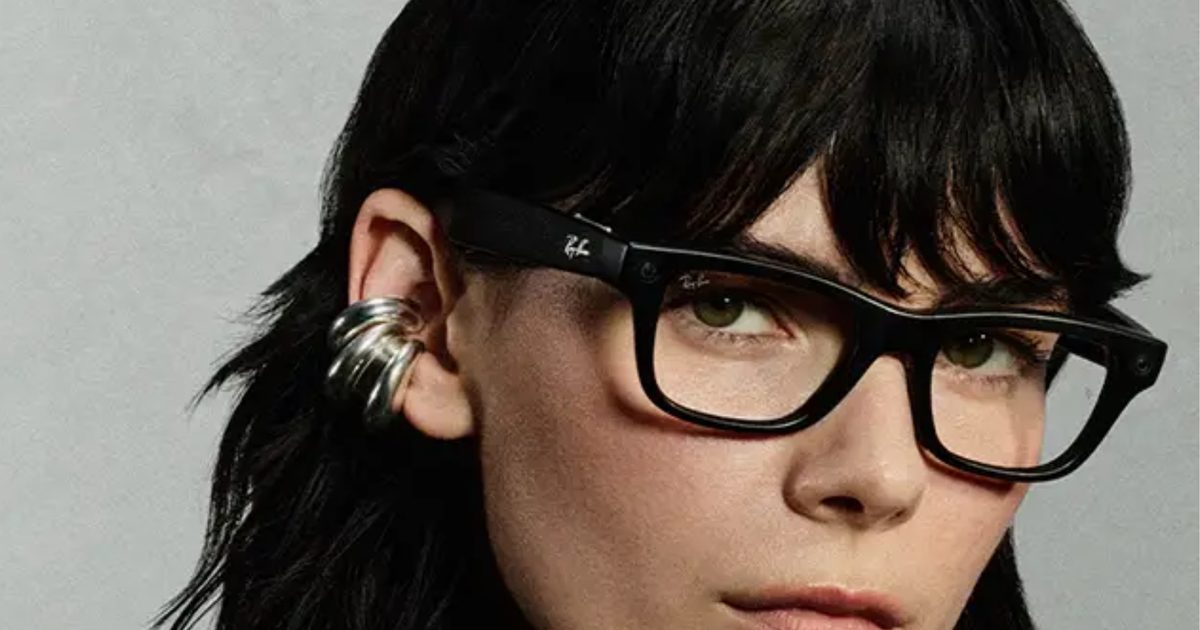
Smart glasses have long carried an obvious privacy concern, and a recent BBC investigation has just illustrated why. A woman known as Alice was approached by a man in a London shopping center while he wore smart glasses. She assumed it was a routine encounter and remained unaware she was being filmed. The resulting clip was subsequently posted online and garnered approximately 40,000 views.
How the Situation Deteriorated
While it is common for content creators to film unsuspecting people in public—often without malicious intent—this particular incident took a sinister turn once Alice discovered the video online. After reaching out to the uploader, she expressed her humiliation and requested the clip be taken down. According to her account, the man responded via email, suggesting that removal would cost money. Alice described the incident as a severe privacy violation that left her feeling vulnerable and exploited.
 Meta
MetaThe individual, who allegedly manages several accounts on TikTok and Instagram, has kept his identity private. He told the BBC that his videos are intended to capture “light-hearted, respectful interactions” and claimed the mention of payment was a misunderstanding regarding editing fees. Alice, however, maintains she only asked for the video to be deleted.
The Legal Gap in Wearable Privacy
 Techgeeks
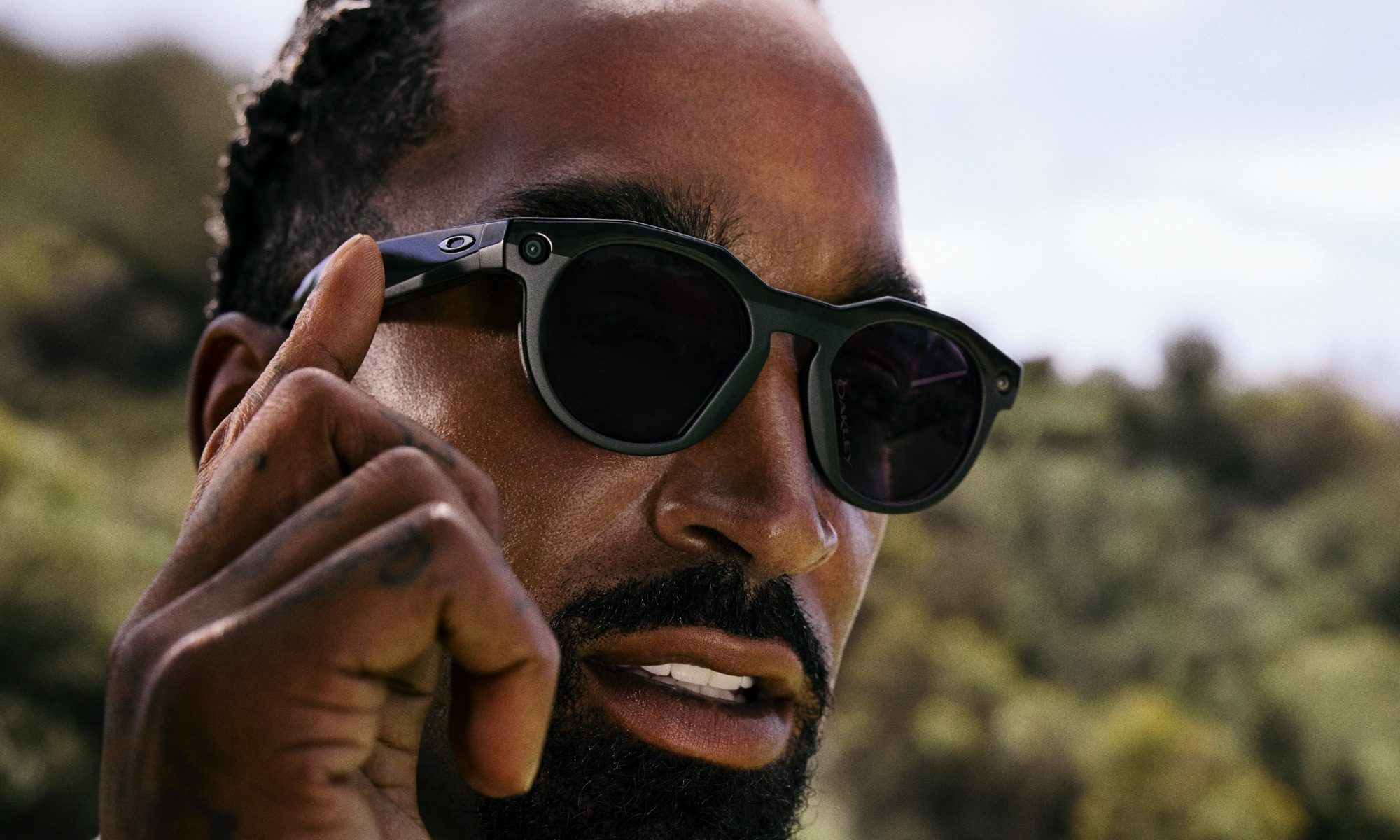
This case underscores the significant disconnect between wearable camera advancements and existing privacy safeguards. Legal professionals cited in the report noted that while the scenario might not meet the legal threshold for blackmail, demanding payment to remove footage can still constitute a threat. The situation is particularly alarming because smart glasses do not resemble a phone held up to someone’s face, and many contemporary models capture footage from the wearer’s perspective, making it easier to record public interactions without the obvious visual cue that recording is taking place.
 Meta
MetaSmart glasses themselves are not the root cause. Rather, it is the surrounding ecosystem—where creators pursue viral engagement, platforms amplify humiliating clips, and victims struggle to have their content removed—that creates a troubling landscape.