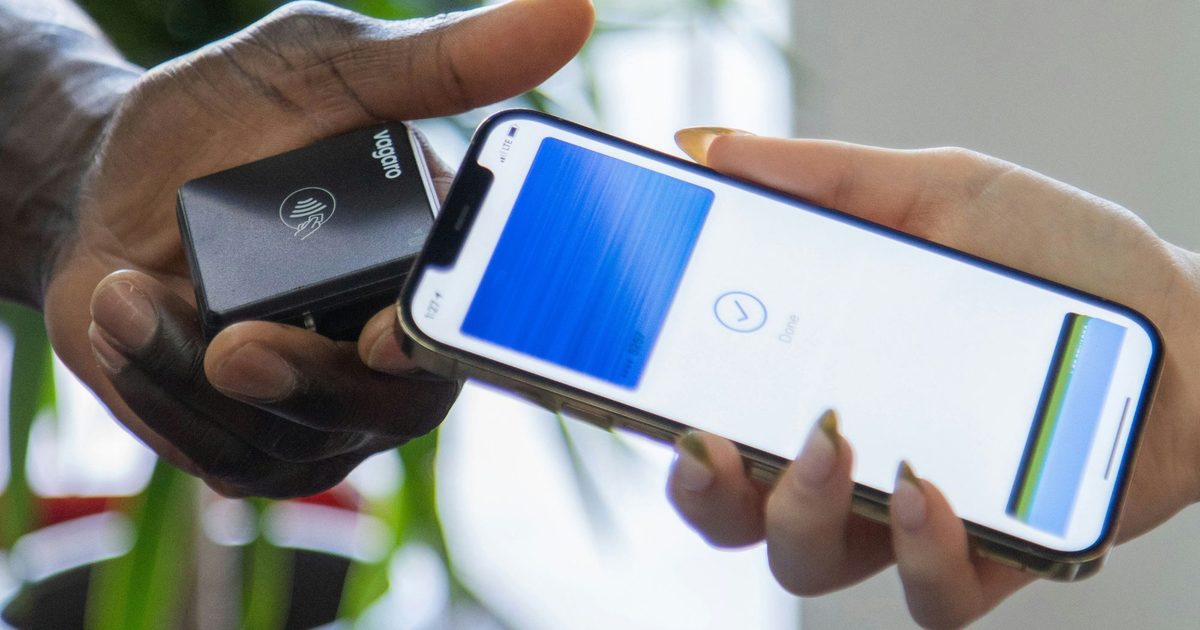
Apple is reportedly gearing up to transform the iPhone into an even larger financial hub by adding a built‑in bill‑splitting tool for group meals, travel costs, and shared payments. According to Mark Gurman, the company intends to unveil the feature at WWDC next week as part of iOS 27.
The utility will let users snap a photo of a restaurant receipt, automatically work out each person’s share—including tax and tip—assign items to the right individuals, and send payment requests via Apple Cash. It should function inside both the Wallet app and Messages, with payment approvals also possible on the Apple Watch.
Apple is quietly expanding its financial ecosystem again
The bill‑splitting tool marks another significant stride in Apple’s ongoing push to deepen the iPhone’s role in personal finance. Since the launch of Apple Pay in 2014, Apple has steadily rolled out services such as Apple Card, Apple Cash, savings accounts, and Tap to Pay for merchants.
This latest addition appears aimed squarely at younger users who increasingly handle shared expenses digitally rather than with cash or traditional banking tools.
The system reportedly works by scanning a receipt with the iPhone camera, identifying individual items, calculating tax and tip allocations, and then automatically generating payment requests. Users can settle balances through Apple Cash without needing third‑party apps.
Apple is also said to be developing custom digital pass creation inside Wallet, enabling users to generate their own event passes, gym cards, and digital credentials directly on the device.

Apple’s move also puts it in direct competition with established expense‑sharing and peer‑to‑peer payment platforms. Splitwise, one of the most popular bill‑splitting apps worldwide, has topped 10 million monthly active users and helped manage more than $90 billion in shared expenses since 2011.
Meanwhile, Venmo processes over $275 billion in annual payment volume, and Cash App reports roughly 57 million monthly active users. By embedding bill splitting into Wallet, Messages, Apple Cash, and Apple Watch, Apple aims to eliminate the need for separate apps and keep more financial activity within its ecosystem.
Apple’s biggest advantage may be integration. Unlike standalone apps, the new feature would be deeply woven into iOS, Messages, Wallet, Apple Watch, and Apple Cash simultaneously.
Why this matters
Apple appears increasingly focused on making the iPhone central to everyday financial activity. Bill splitting may seem minor compared to AI announcements or hardware launches, but such ecosystem features often boost long‑term user retention more effectively than flashy upgrades.
The move could also pressure third‑party expense‑sharing apps that currently rely on convenience as their main selling point. If Apple can make payment splitting frictionless across iPhones, many casual users may stop downloading separate apps altogether.

At the same time, Apple’s financial expansion has faced challenges. The Apple Card partnership with Goldman Sachs has struggled financially, and Apple previously shut down its buy‑now‑pay‑later offering less than a year after launch.
What happens next
Apple is expected to officially reveal the new bill‑splitting feature during WWDC alongside broader iOS 27 announcements focused heavily on AI, Siri upgrades, and Apple Intelligence. The update is also slated to include AI‑powered photo editing tools, a redesigned Siri experience, and deeper Wallet integration across Apple devices.
If the feature works smoothly, Apple may once again turn a separate app category into a built‑in iPhone capability that millions adopt simply because it’s already there.