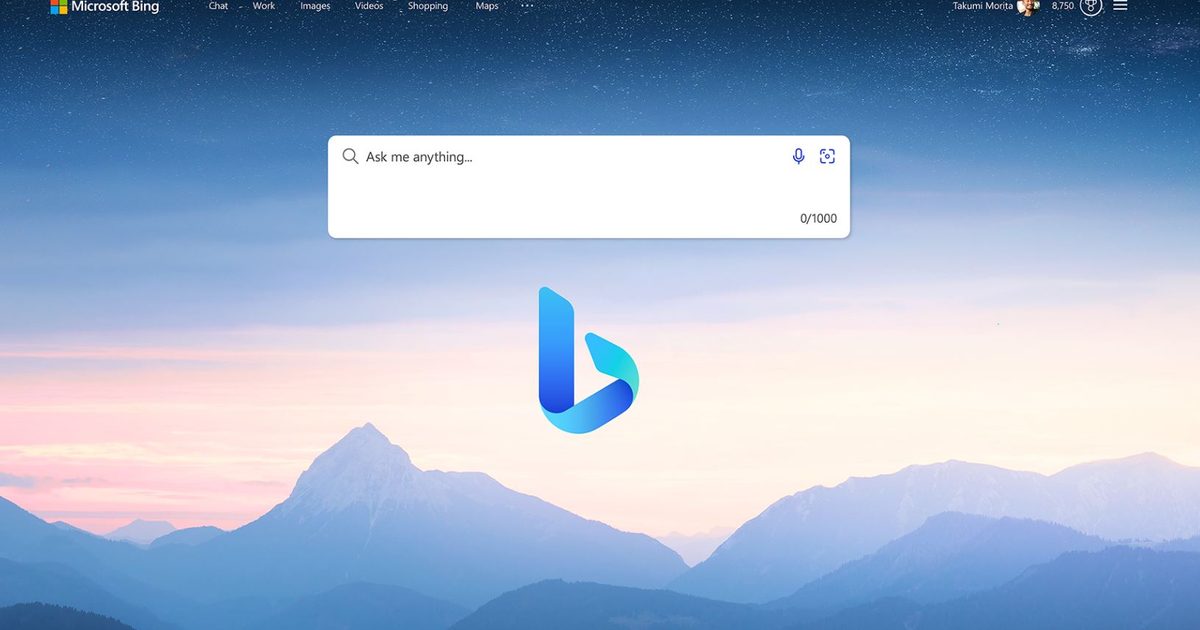
After years of having Bing embedded in almost every facet of Windows Search, Microsoft appears to be offering a way out. Reports suggest the company is testing a Windows 11 update that would let users fully turn off Bing‑driven web results in the built‑in Search feature.
For many PC owners, this is a long‑overdue improvement. Windows Search has long mixed local file queries with Bing suggestions, online results, news links, and other Microsoft services, often irritating users who simply want to locate an app, document, or setting on their machine.
According to PCMag, Microsoft is now adding options that separate the native Windows search capabilities from Bing’s web integration. In practice, this could mean that typing in the Start menu or taskbar would return only local results, without being steered toward Bing‑generated content.
The change seems tied to the EU’s Digital Markets Act (DMA), which compels large tech firms to give users more control over bundled services and default settings. Microsoft has already rolled out several Europe‑specific tweaks to Windows, such as easier browser switching and fewer prompts that push Edge and Bing.
**Windows Search could finally get back to basics**
For years, users have criticized Microsoft for forcefully grafting Bing onto Windows Search, even when it hurt usability. Local file searches often surfaced unrelated web links, recommendations, or Bing‑driven suggestions that many never wanted.
The issue became more pronounced after Microsoft integrated AI‑powered Bing and Copilot directly into Windows 11. While marketed as productivity boosters, many felt the Search experience grew cluttered and drifted away from its core desktop purpose.
The rumored update could markedly improve the experience for those who mainly use Search to launch apps, find files, or tweak settings. Stripping out Bing may also speed up the tool and cut down on background online queries.
For Microsoft, however, this move is about more than a simple toggle. Bing has long been a strategic pillar, steering users toward Microsoft services, search ads, Edge, and now AI‑driven Copilot.
Allowing users to more freely disable Bing indicates that regulators are starting to shape how Microsoft builds Windows.
**Microsoft still wants AI everywhere in Windows**
Even if Bing can be removed, Microsoft isn’t abandoning AI or online features in Windows 11. The company continues to pour resources into Copilot and AI‑enhanced productivity tools, which remain central to its long‑term Windows strategy.
Thus, the upcoming changes are less about ditching Bing entirely and more about giving users greater control over how deeply Microsoft services are woven into the desktop.

The big question now is whether these Bing‑disable options will stay limited to Europe for DMA compliance or roll out worldwide. A global release could make this one of the most user‑friendly Search overhauls in years.
For long‑time Windows users, the update already feels symbolic. After years of Microsoft insisting Bing belong in Search, users may finally get the choice they’ve been asking for: the ability to search their PC without the Microsoft search engine constantly intruding.