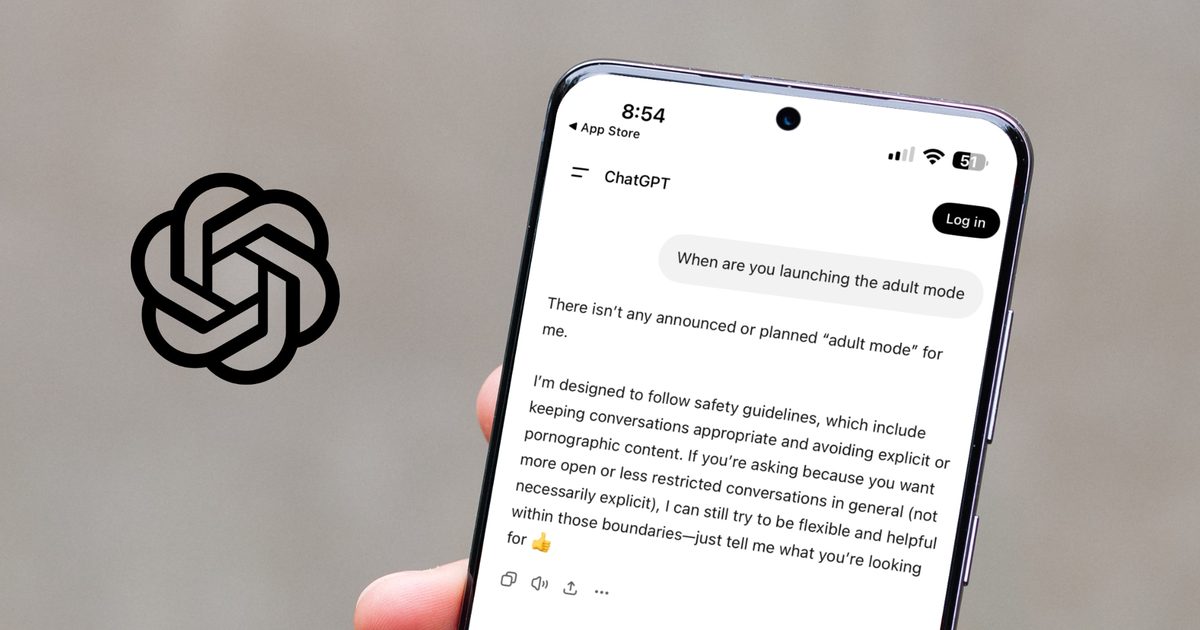
OpenAI is reportedly gearing up for a sweeping overhaul of ChatGPT that could fundamentally reshape how users engage with artificial intelligence. Rather than staying just a conversational chatbot, the firm wants the service to evolve into a “super app” driven by AI agents that can tackle tasks spanning personal and professional domains.
As detailed by the Financial Times, OpenAI leaders are increasingly convinced that the future of AI lies not in bots that merely answer queries, but in intelligent systems that actively perform work for users. The long‑term roadmap envisions agents that can manage calendars, arrange travel, write code, generate content, and orchestrate workflows across a variety of services and platforms.
Executive Thibault Sottiaux is said to have described the ambition as building a “personal agent” that assists users “across everything in your life.” This would let people interact with ChatGPT via smartphones, desktops, browsers, and possibly even vehicles, turning the platform into a far broader digital‑assistant ecosystem.
OpenAI bets heavily on AI agents and enterprise growth
A key pillar of the plan is Codex, OpenAI’s coding‑focused offering, which has reportedly surpassed five million weekly active users. Internally, the company appears convinced that coding tools and AI agents capable of taking actions on behalf of users could become far more valuable than traditional chatbot exchanges.
To support this pivot, ChatGPT’s mobile and web interfaces are being redesigned to spotlight coding, image generation, and third‑party integrations. Partner apps from firms such as Canva and Booking.com may become more deeply woven into the ChatGPT experience as OpenAI pushes toward a more connected AI ecosystem.
The shift also mirrors mounting pressure in the AI sector. Competitors like Anthropic, Microsoft and Google are rapidly expanding their own AI‑powered products and enterprise suites. While ChatGPT remains one of the most recognizable AI products worldwide, OpenAI faces growing expectations to demonstrate long‑term profitability and diversify revenue beyond free chatbot usage.
Enterprise clients are becoming especially crucial to this effort. Reports indicate that business‑focused products already constitute a sizable slice of OpenAI’s revenue, prompting a reorganization of internal teams to prioritize enterprise growth over some consumer‑centric initiatives.
ChatGPT could become far more than a chatbot
The broader implication is that OpenAI no longer views ChatGPT merely as a messaging interface. Instead, it is being positioned as a central operating layer for future AI‑driven computing experiences.
If the strategy succeeds, it may overhaul how users interact with software altogether. Rather than launching separate apps for productivity, communication, coding, travel, scheduling and search, people might increasingly rely on a single AI assistant that handles multiple tasks conversationally and autonomously.
At the same time, OpenAI is strengthening ties with policymakers and regulators as AI gains political and economic weight. Reports suggest the company plans to give the U.S. government early access to certain models under a voluntary framework introduced by President Donald Trump, and that discussions about potential government stakes in AI firms have involved CEO Sam Altman as officials explore ways to spread AI‑driven economic benefits.

The ChatGPT overhaul is expected to roll out gradually via app and website updates over the coming months. If OpenAI pulls it off, ChatGPT could transition from an occasional chatbot visit to a constantly present AI assistant woven into everyday life.