If you’ve been postponing the purchase of a new handset in hopes of catching a discount on a model released early this year, Carl Pei, co‑founder of Nothing, has a straightforward warning: stop waiting.
In a recent X post, Pei outlined how 2026 is reshaping phone pricing like never before. The main driver, unsurprisingly, is a component that now accounts for over half of a device’s total hardware cost.
Why is RAM now inflating phone prices?
Pei points out that memory – specifically RAM – has become the priciest hardware element in a smartphone.
A few years back, the most expensive parts were typically OLED screens, chipsets, or camera modules. Budget phones were often priced up by high‑refresh‑rate AMOLED displays, while flagship devices saw the chipset or camera module take the top spot.
Fast forward to 2026, and memory has surged to the top of the cost hierarchy. Pei explains that RAM now out‑prices both the chipset and the display, a shift driven by the worldwide AI boom.
AI‑focused data centers are gobbling up memory chips at a pace that strains supply for everyone else, including the planet’s leading smartphone manufacturers.
What impact has the RAM price hike had on Nothing?
Pei uses his own company as a vivid illustration.

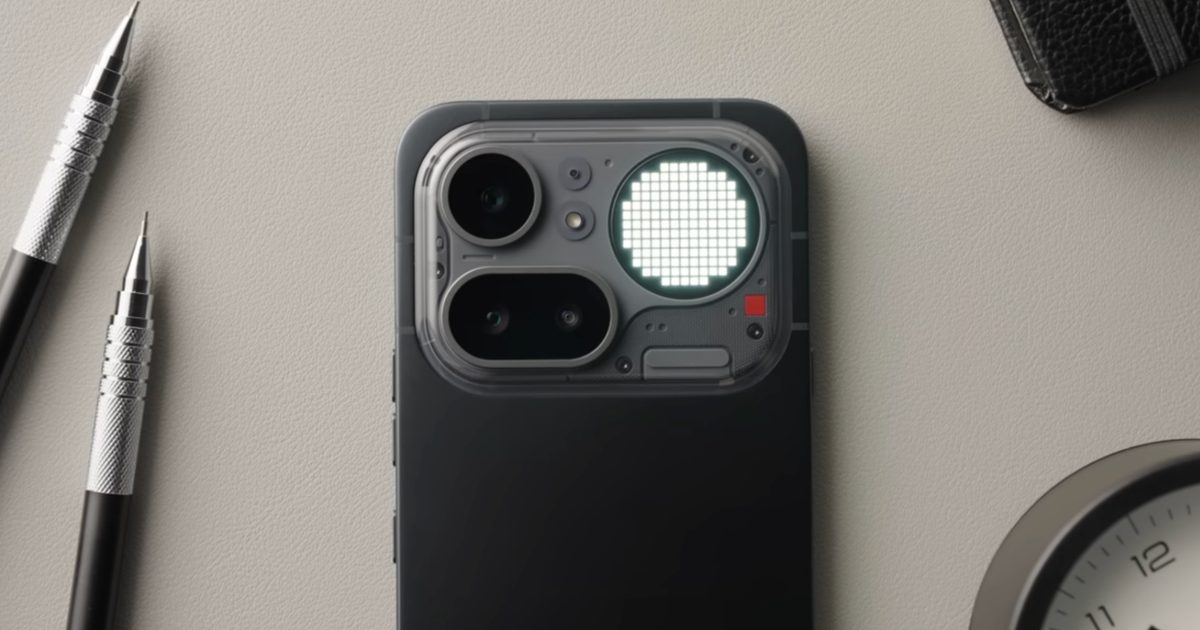
For the Nothing Phone (4a), the mid‑range model the firm recently launched, the cost of memory doubled between the project’s green‑light stage and its market debut, and it has doubled again since then. Such a steep increase can cripple a product’s financial outlook midway through its lifecycle.
He cautions that phone prices will keep climbing into 2027. “If you’ve been waiting to upgrade, the best time was yesterday,” Pei said, emphasizing the daily upward drift in smartphone costs.
The RAM price surge is unlikely to normalize this year, which also means the year‑end sales period won’t bring the discounts consumers have grown accustomed to.
We’re already seeing flagships and mid‑range devices launch at higher price points, entry‑level phones gaining $100‑plus price bumps, and some brands dropping entry‑level phone lines or compact PCs (like the Mac mini). The pricing pressure appears set to stay.