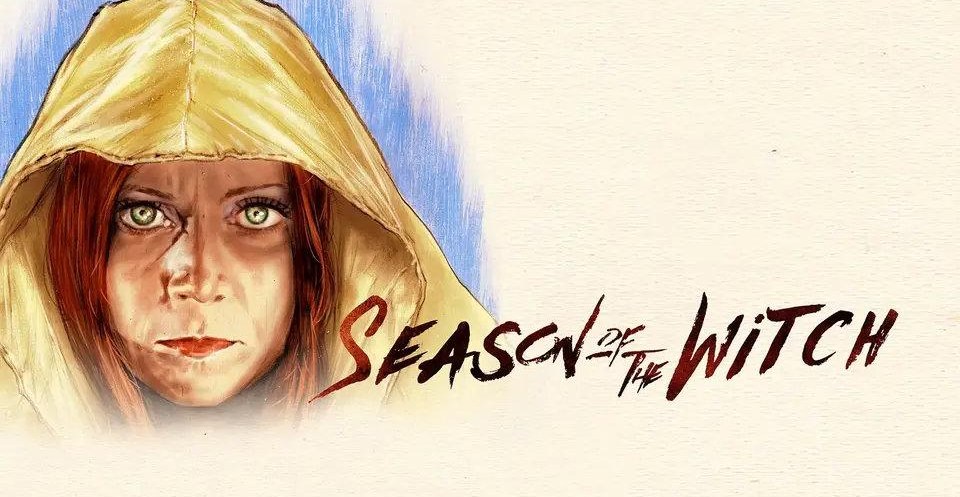
George A. Romero is widely recognized as the pioneer of the modern zombie film, having launched the subgenre with Night of the Living Dead and followed it with the outbreak horror The Crazies. In between those works he directed two relatively obscure movies: There’s Always Vanilla, which I have not yet watched, and Season of the Witch — originally released under the title Hungry Wives.
Hungry Wives was conceived as an exploitation picture; the studio promoted it as soft‑core porn, but it failed to attract viewers, likely because the film contains very little nudity — just a single sex scene — and relies heavily on dialogue. Upon its 1973 debut it was a clear commercial disappointment. After Romero’s Dawn of the Dead revived interest in his catalog, the picture was re‑issued as Season of the Witch.
Although Romero’s original 130‑minute cut has been lost, fragments have been salvaged and restored, extending the initial 89‑minute version to 104 minutes. Beyond the distributor’s heavy trimming — cutting roughly 40 minutes — a key reason for its poor reception is that Romero did not deliver the expected soft‑core porn; instead he crafted a slow‑burn feminist drama in which occult elements play a secondary role.
The lead, Joan Mitchell, endures an abusive marriage and feels stifled by her role as a submissive housewife. She moves from conventional therapy to witchcraft as a means of breaking free from her monotonous existence.
Season of the Witch is not without flaws. Its production values are modest — reportedly made for about $100,000 (roughly $800,000 when adjusted for inflation).