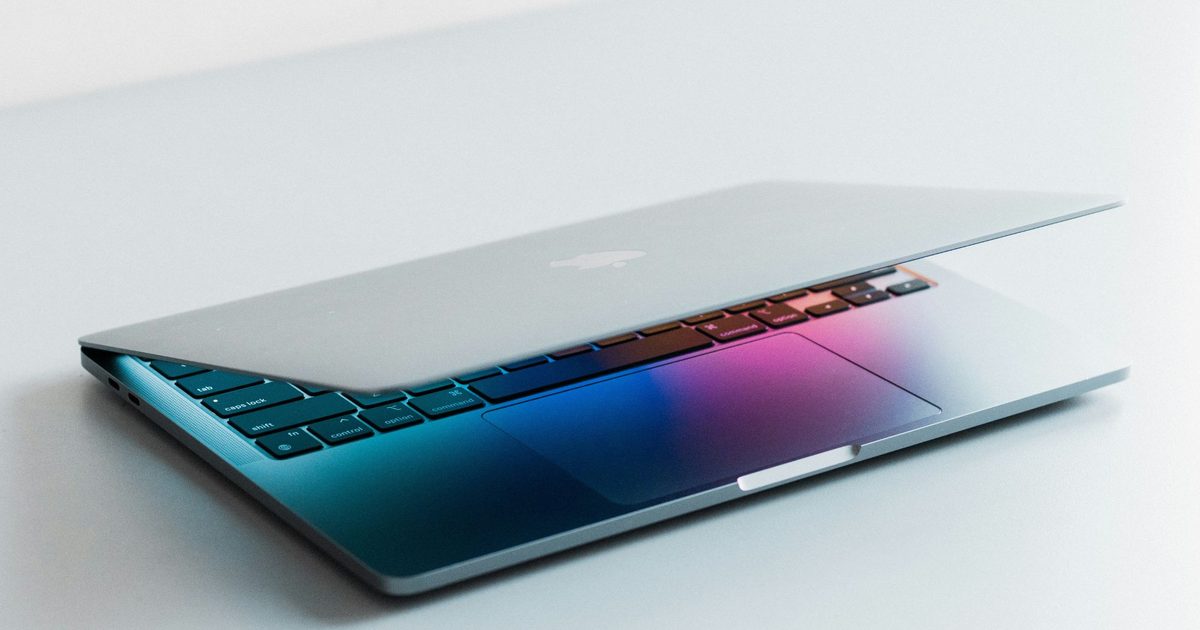
Reports indicate that Apple and Intel are considering a manufacturing collaboration that could alter the production of Apple’s future chips. However, contrary to what the headline might suggest, this does not imply Apple is stepping away from its own Apple Silicon or reverting to Intel-based Macs.
A recent Wall Street Journal report states that Apple and Intel have entered into a preliminary agreement for Intel to produce certain chips designed by Apple. Bloomberg’s Mark Gurman later clarified on X that no final production deal has been made yet, and talks are still in their initial phases. His update also highlighted Apple’s ongoing reservations regarding Intel’s manufacturing capabilities and long-term viability.
Apple’s Intel talks focus on manufacturing, not replacing Apple Silicon
The key point here is that Apple will continue to design its own chips. If the deal moves forward, Intel’s role would be to manufacture some of those processors via Intel Foundry Services, not to replace Apple’s in-house silicon strategy.
This distinction is crucial because Apple’s shift away from Intel processors in 2020 fundamentally transformed the Mac lineup. Apple Silicon chips, like the M-series processors, gave Apple greater control over performance, efficiency, thermals, and AI capabilities. Current reports do not indicate any plans to reverse this direction.
Instead, the talks seem to focus on supply chain diversification. Apple currently depends heavily on TSMC for manufacturing chips used in iPhones, iPads, Macs, and other devices. However, rising AI demand from companies like Nvidia has increased pressure on advanced semiconductor production capacity.
The WSJ report notes that Apple has faced ongoing supply constraints for some products, with Tim Cook previously acknowledging shortages affecting Mac availability. Working with Intel could potentially give Apple a secondary manufacturing option alongside TSMC.
The talks also carry broader geopolitical and industry implications
The Trump administration reportedly played an active role in encouraging partnerships between Intel and major technology companies. Intel has already secured partnerships with Nvidia and Elon Musk-linked projects, while the U.S. government now holds a 10% stake in the company following a multibillion-dollar investment deal.
 Intel Chip Unsplash
For Intel, landing Apple as a foundry customer would represent a major validation of its efforts to rebuild manufacturing credibility after years of falling behind TSMC and Samsung. Intel CEO Lip-Bu Tan has spent the past year restructuring leadership, investing heavily in advanced manufacturing processes like 14A, and repositioning Intel Foundry as a serious competitor.
What happens next remains uncertain. Gurman’s comments suggest Apple is still cautious, and the discussions may not result in large-scale production anytime soon. But even exploratory talks highlight how critical chip manufacturing capacity has become as AI demand continues reshaping the semiconductor industry.