Something extraordinary is unfolding across Namibia’s wildlife reserves. A satellite network named Icarus is now monitoring animal panic responses, potentially becoming the most potent anti‑poaching tool ever devised.
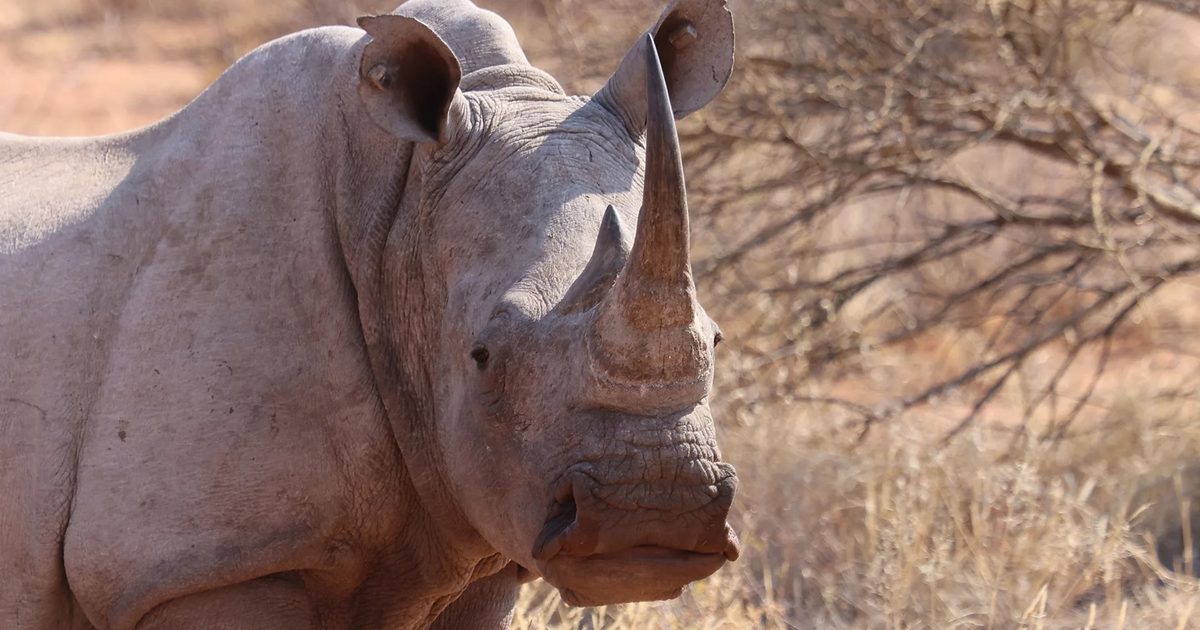
To grasp its importance, consider the poaching crisis. Over the past 15 years, more than 10,000 rhinos have been illegally killed in South Africa, and the threat shows no sign of abating. Rangers are outnumbered, protected areas are immense, and by the time a poacher’s presence is detected, it is often too late.
According to a recent BBC report, scientists at Germany’s Max Planck Institute of Animal Behavior have proposed an unconventional remedy. Instead of deploying additional rangers or cameras, they asked: why not let the animals do the watching?
How the technology operates
Whenever a danger moves through the bush, animals exhibit predictable panic behaviors. To accurately map these signatures, the researchers needed real‑world data, which meant staging simulated poaching events at Okambara, a private wildlife reserve in Namibia.
Armed hunters traversed the terrain, firing shots into the air while drones captured the exact reactions of each species. The goal was not to harm the animals but to record their fear response to an approaching poacher.
These panic patterns will train an algorithm that can issue instant alerts to rangers. As Martin Wikelski, a world‑leading movement ecologist heading the Max Planck Institute, explains, even the most unlikely creatures become valuable sensors. Giraffes, for example, rarely run; they simply stand, heads aligned, observing the threat from a safe distance. “That tells us where the poacher is,” Wikelski notes.
Central to the system are wildlife tracking tags that log GPS location, activity, heart rate, body temperature, and atmospheric pressure. The ambition is to have 100,000 animals tagged worldwide by 2030, each acting as a beacon in a global early‑warning network.
Can it really curb poaching?
In South Africa’s Kruger National Park, the system has already facilitated the rescue of 80 wild dogs caught in snares. However, real‑time poacher detection is still being refined. In November, Icarus launched its first satellite, with five more slated for deployment by 2027. Once the constellation is complete, it will stream live animal‑movement data from any corner of the globe, making it increasingly difficult for poachers to operate unseen.
