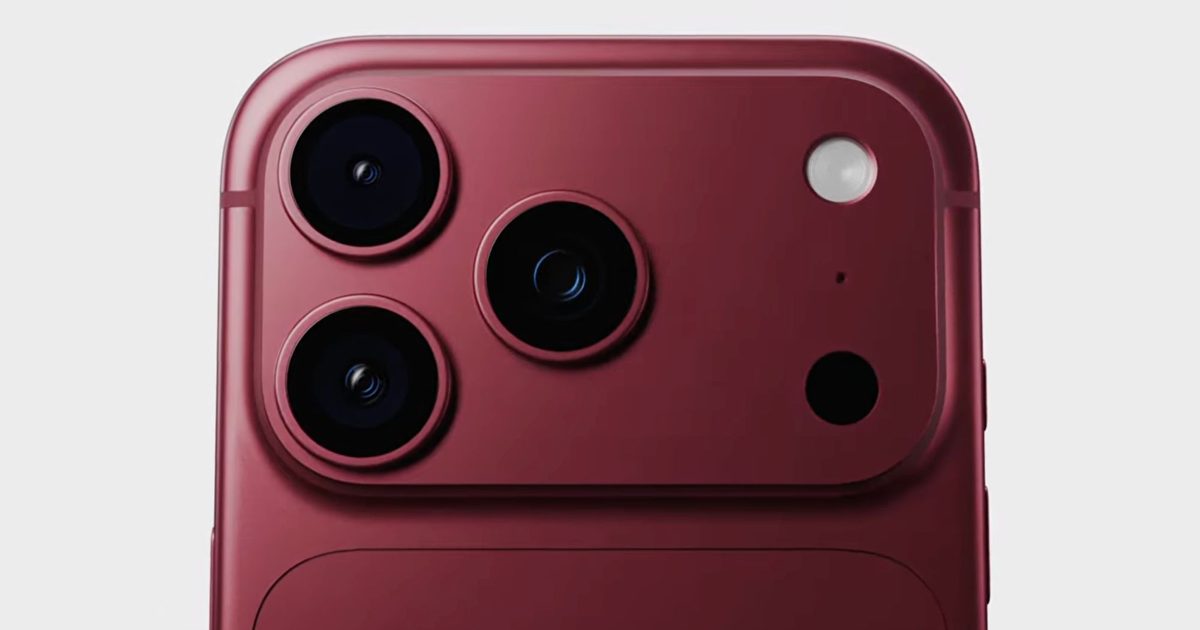
Apple’s upcoming Pro‑level iPhone may debut one of the most substantial camera overhauls the company has delivered in years. However, new analyst data cited by Forbes suggests the upgrade could also push manufacturing expenses up considerably, sparking fresh concerns about whether future iPhone prices might climb even higher.
The latest leak focuses on the iPhone 18 Pro and iPhone 18 Pro Max, which are expected to launch a variable‑aperture camera system. Supply‑chain analyst Ming‑Chi Kuo estimates that the new camera module could cost Apple roughly 50 % more than the hardware currently installed in its Pro devices.
While that figure may not seem dramatic at first glance, camera systems have become one of the costliest and most critical components in modern flagship phones.
**A camera upgrade Apple has been chasing for years**
Rumors about variable‑aperture technology have circulated for several iPhone generations, and recent reports indicate the feature has finally entered production for the iPhone 18 Pro line‑up. Unlike today’s Pro models, which rely on a fixed‑aperture lens, the new design would let the lens physically adjust the amount of light reaching the sensor. In practice, this translates to better exposure control, greater flexibility in low‑light situations, and potentially more natural background blur without depending entirely on software processing.
Apple has largely leaned on computational photography to boost image quality, but a variable aperture would represent a more traditional hardware improvement, similar to features already seen on some high‑end Android smartphones.
According to Kuo, the new lens assembly is significantly pricier than the seven‑element plastic lens system Apple currently uses. Chinese supplier Sunny Optical is expected to manufacture a large portion of the upgraded component.
**Why it matters**
The larger narrative may not be the camera itself, but what it could signal for future iPhone pricing. Apple has so far avoided major price hikes on its flagships despite rising memory costs, more advanced chips, and increasing production expenses. Yet reports indicate the iPhone 18 Pro series is stacking several costly upgrades at once – the new camera tech, next‑gen silicon, and added connectivity features.
This has fueled speculation that Apple might eventually have to pass some of those costs onto consumers.

Online reactions are already mixed. Some users view variable aperture as a genuine photography breakthrough, while others argue that most everyday users may never notice enough of a difference to justify a higher price tag.
**What’s next**
Apple is slated to unveil the iPhone 18 Pro lineup in late 2026, with some reports suggesting the devices could arrive alongside the company’s first foldable iPhone.
For now, it remains uncertain whether the higher camera costs will directly translate into retail price increases. Historically, Apple has absorbed component cost rises to keep pricing stable, especially in highly competitive markets.
Nevertheless, if the leaks prove accurate, the iPhone 18 Pro could become a litmus test for how much consumers are willing to pay for advanced camera hardware. Apple clearly believes superior photography remains a key driver for upgrades, but the question is whether buyers will feel the same when the improvements come with a heftier price tag.