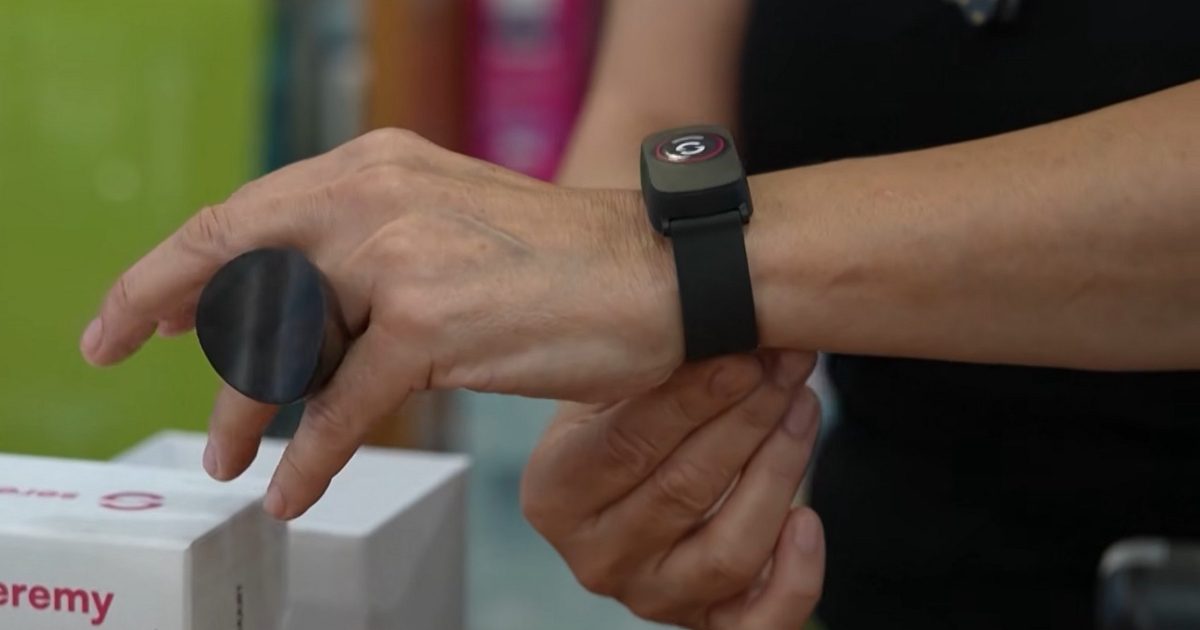
Smartbands or smartwatches immediately make you think of some wearable built for keeping track of your health and physical activities. But in Rome, they are being used to help the elderly. The new watches are being deployed to senior citizens to help them stay safe during the dangerous heatwave that has swept across Europe.
According to Reuters, the city is using electronic bracelets as part of a €400 million support scheme for older residents. The program, backed by EU post-COVID funding, currently covers about 700 people.
One of them is 85-year-old Dina Gazzella, a widow who lives alone in eastern Rome. Her bracelet monitors her heart rate and sleep patterns, tracks movement inside and outside the home, detects falls, and lets her call for help in case of an emergency.
How heat is making loneliness even more dangerous
Extreme heat is especially risky for older adults, particularly those living alone. With the temperature in Rome climbing into the upper 30s Celsius during Europe’s ongoing heatwave, clinical psychologist Piera Pomente said the bracelet is crucial during this period because elderly people can suffer from lower blood pressure, lower heart rate, and heat-related strain.
The device works like a watch, but it is tied into a larger support system. Social workers monitor the data during the day and call users to check whether they have taken medication, how they are coping with the heat, or even if they simply need someone to talk to. So the device is not just for safety, and is also being used for wellbeing to help alleviate loneliness,
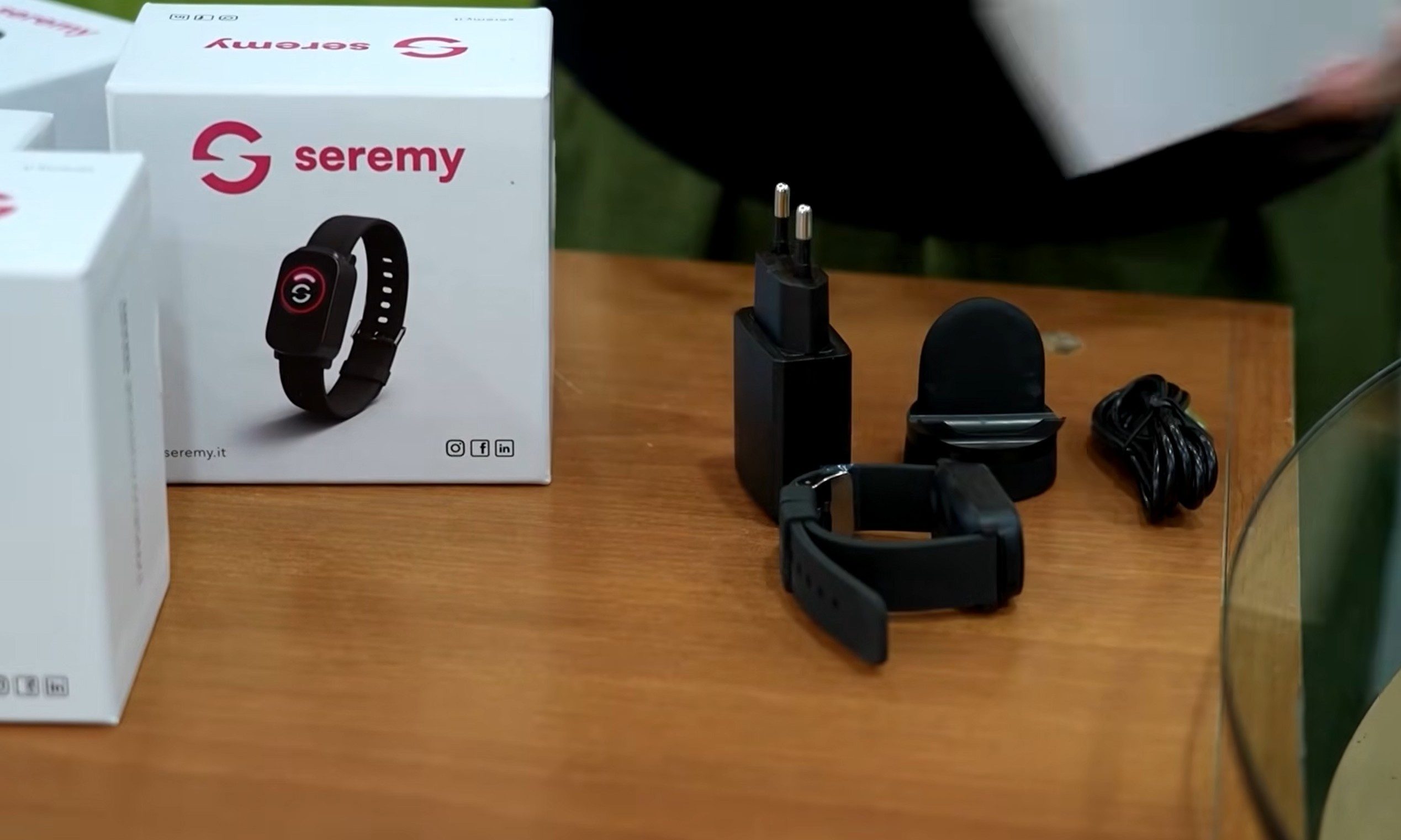
The bracelet is only part of the safety net
Pomente’s team operates from Monday to Friday between 8:30 am and 7 pm. At night and on weekends, alerts go to relatives through a mobile app. Over the past year, the system helped resolve two emergencies, which included a man who fell in the street and another where a wheelchair user slipped at home. The bracelet is free, but some people have dropped out due to privacy worries.
Health monitoring is a sensitive aspect, especially when movement data is involved. So the concern is understandable.