
Intel has moved past its era of playing catch-up. Following a period marked by delays, roadmap adjustments, and lineup gaps, the company is now reportedly pushing forward with multiple CPU families simultaneously to challenge AMD across the board. This shift suggests a renewed confidence from Intel that we haven’t seen in quite some time.
What Does Intel’s Strategy Entail for Nova Lake, Razor Lake, and Titan Lake?
According to a recent report from Digitimes, Intel’s PC roadmap is once again aligned, with several new CPU families scheduled for release in the coming years. The company is reportedly planning a bold rollout featuring Nova Lake, Razor Lake, Titan Lake, and Moon Lake, all designed to bolster Intel’s standing against AMD, Apple, and Qualcomm. Here is a summary of the lineup, sourced from Guru3D:
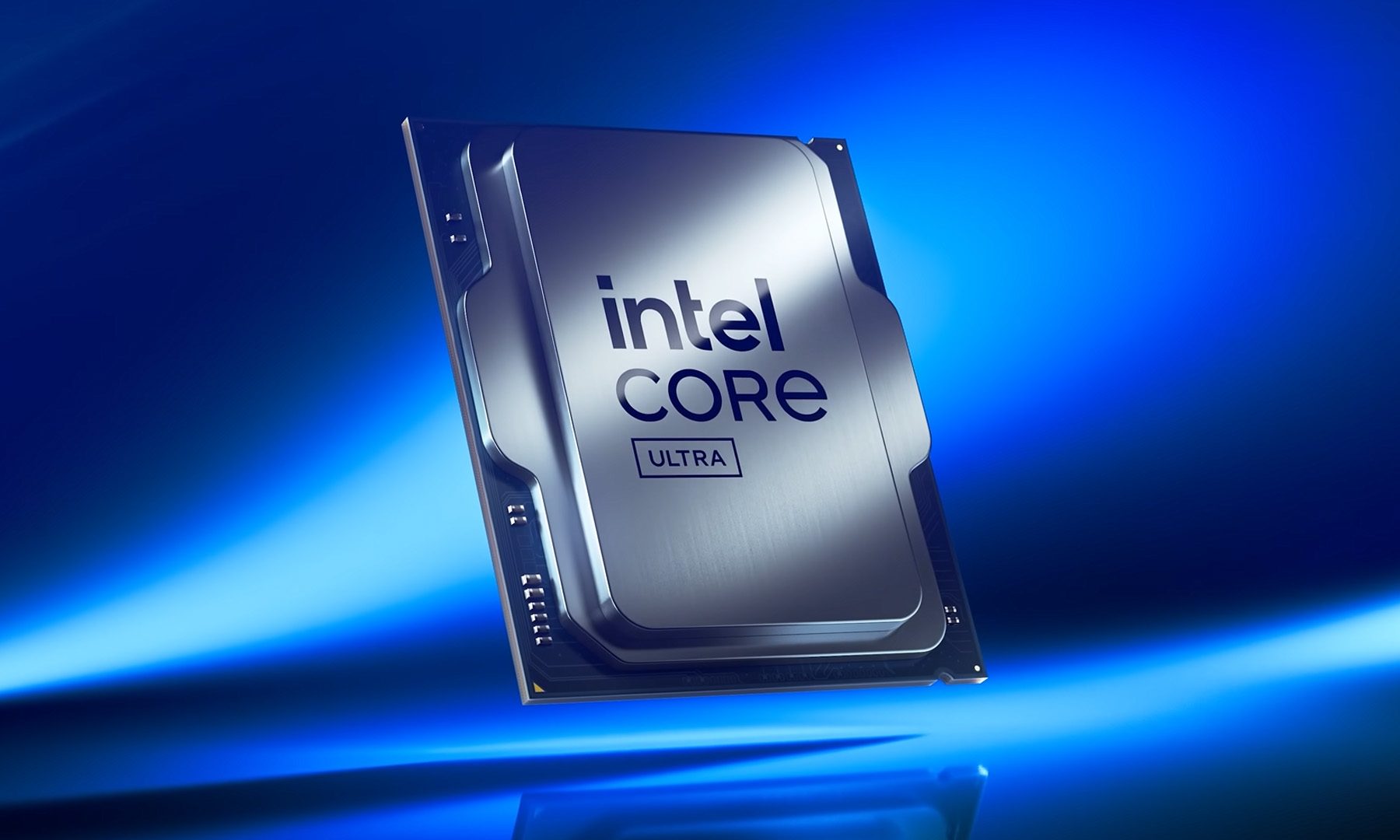
The initial major release is anticipated to be Nova Lake, arriving in the latter half of 2026. This series is rumored to deliver substantial enhancements, including desktop processors with up to 52 cores and 288MB of cache, along with new Coyote Cove and Arctic Wolf core designs. Following this, Razor Lake is slated for 2027 and is reportedly designed to maintain pin compatibility with Nova Lake platforms, facilitating smoother upgrades for both desktop and mobile users.
 Intel
IntelLooking further ahead, Intel is developing Titan Lake, which may introduce a unified CPU core design and potentially a “Serpent Lake” chip co-developed with NVIDIA, featuring RTX-based graphics technology. This chip would directly compete with AMD’s Strix Halo APUs in the high-performance mobile market. Additionally, Moon Lake is planned as a low-power, E-core-centric platform targeting budget-conscious consumers and entry-level devices.
 Intel
IntelHas Intel Finally Stabilized Its CPU Roadmap?
Historically, Intel’s primary challenge was not chip quality but execution consistency. Frequent delays, canceled projects, and confusing release schedules allowed AMD to seize control of the enthusiast and performance markets. However, recent supply chain reports indicate a significant shift. Intel’s roadmap appears to be stabilizing, with improving yields and a commitment to launching products on schedule rather than facing repeated postponements.
 Intel
IntelA distinct strategy is also becoming apparent. Rather than depending on a single flagship series, Intel is developing multiple CPU families tailored to specific markets, ranging from high-end gaming desktops to AI-powered laptops and budget systems. While the timing of these releases remains to be seen, Intel’s roadmap now appears less reactive and more like a proactive offensive.
 Intel
Intel