
Intel has finished playing catch-up. Following years of delays, roadmap reshuffles, and awkward gaps in its lineup, the company is now reportedly accelerating multiple CPU families at once in an attempt to hit back at AMD from every angle. And honestly, this might be the most confident Intel has looked in years.
What is Intel planning with Nova Lake, Razor Lake, and Titan Lake?
According to a new report from Digitimes, Intel’s PC roadmap is now firmly back on track, with several upcoming CPU families lined up over the next few years. The company is reportedly preparing an aggressive rollout involving Nova Lake, Razor Lake, Titan Lake, and Moon Lake, all aimed at strengthening Intel’s position against AMD, Apple, and Qualcomm. Here’s a brief overview of how things stack, via Guru3D:
The first big step is expected to be Nova Lake, launching in the second half of 2026. This lineup is rumored to bring massive upgrades, including desktop chips with up to 52 cores and 288MB cache, alongside new Coyote Cove and Arctic Wolf core architectures. Then comes Razor Lake in 2027, which is reportedly designed to be pin-compatible with Nova Lake platforms, allowing easier upgrades for both desktop and mobile systems.
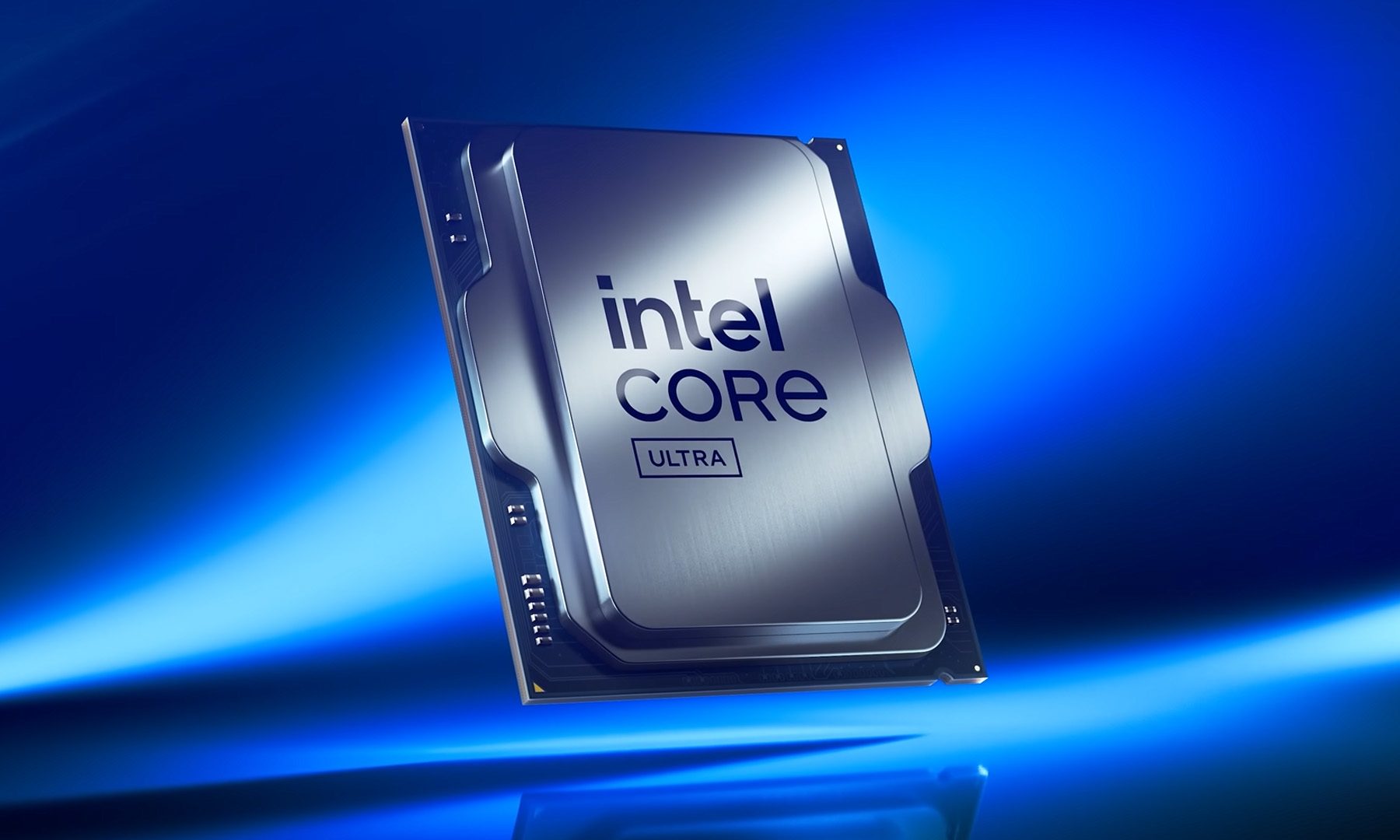 Intel
IntelFurther down the roadmap, Intel is preparing Titan Lake, which could introduce a unified CPU core design and even an NVIDIA-partnered “Serpent Lake” chip featuring RTX-based graphics technology. The latter would compete more directly against AMD’s Strix Halo APUs for high-performance mobile systems. And finally, there is Moon Lake, a low-power, E-core-focused platform aimed at affordable systems and entry-level devices.
Is Intel finally done fumbling its CPU roadmap?
For years, Intel’s biggest problem was not necessarily bad chips, but inconsistent execution. Delays, canceled plans, and confusing launches gave AMD plenty of room to dominate enthusiast and performance segments. Now though, the tone coming from supply-chain reports is very different. Intel’s roadmap is reportedly stabilizing, yields are improving, and products are expected to launch on schedule instead of slipping repeatedly.
 Intel
IntelThere is also a clear strategy emerging. Instead of relying on one flagship lineup, Intel is building multiple CPU families targeted at different markets, from high-end gaming desktops to AI laptops and budget systems. Whether all of these chips actually land on time is still the big question. But for the first time in a while, Intel’s roadmap feels less like damage control and more like a genuine counterattack.
Is Intel finally done fumbling its CPU roadmap?
For years, Intel’s biggest problem was not necessarily bad chips, but inconsistent execution. Delays, canceled plans, and confusing launches gave AMD plenty of room to dominate enthusiast and performance segments. Now though, the tone coming from supply-chain reports is very different. Intel’s roadmap is reportedly stabilizing, yields are improving, and products are expected to launch on schedule instead of slipping repeatedly.
IntelThere is also a clear strategy emerging. Instead of relying on one flagship lineup, Intel is building multiple CPU families targeted at different markets, from high-end gaming desktops to AI laptops and budget systems. Whether all of these chips actually land on time is still the big question. But for the first time in a while, Intel’s roadmap feels less like damage control and more like a genuine counterattack.