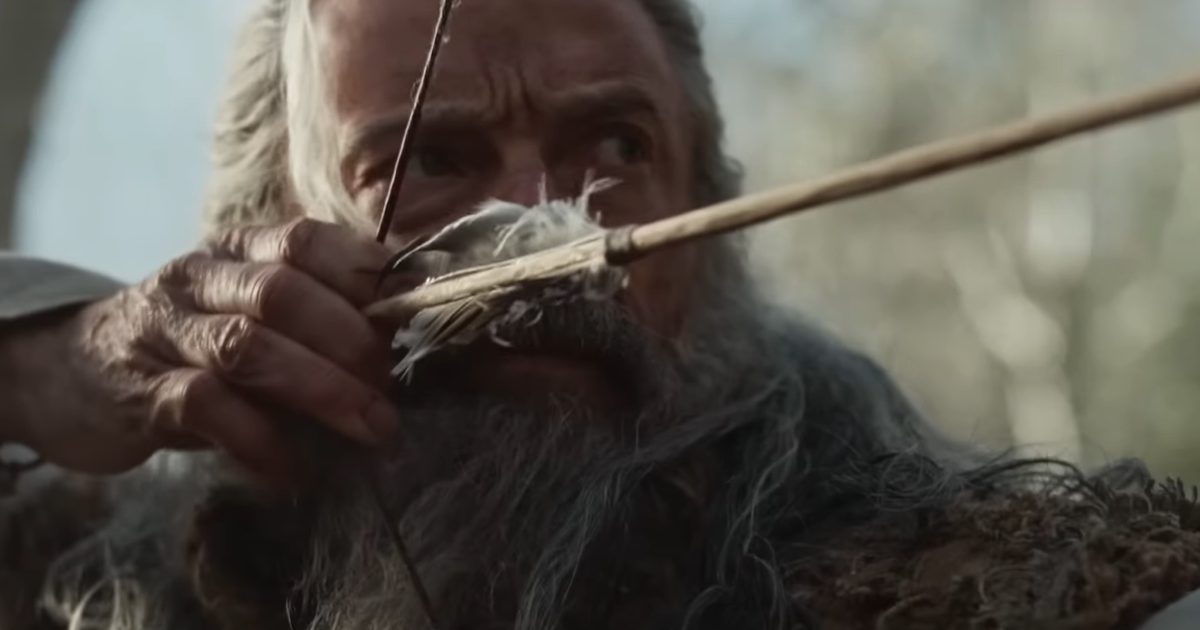
A medieval icon receives a daring makeover in A24’s The Death of Robin Hood. Written and directed by Michael Sarnoski (known for A Quiet Place: Day One), the picture follows the famed archer, portrayed by Hugh Jackman, as he wrestles with a lifetime of bloodshed and remorse. After his most recent quest leaves him seriously injured, Robin Hood is offered an unexpected path to redemption under the watch of the enigmatic Sister Brigid (Jodie Comer).
Although Robin Hood has been retold countless times on screen, Sarnoski’s version diverges sharply from earlier adaptations. By reshaping familiar figures and thrusting them into a harsh, intense storyline, he injects fresh vitality into a centuries‑old myth, rendering it more grounded, tragic, and gripping than ever before.
In a conversation with Techgeeks, Sarnoski detailed his approach to portraying Robin Hood as a deeply flawed individual, his collaboration with Jackman and Comer, and his use of visceral violence to explore themes of guilt, forgiveness, and redemption.
How the film redefines iconic characters and narratives
Sarnoski said his fascination with Robin Hood’s downfall grew from childhood exposure to the legend. He didn’t think another Robin Hood movie was necessary, yet the story he’d drafted before A Quiet Place: Day One captivated him so strongly that he felt compelled to bring it to the screen.
“I’ve always been drawn to the ‘death of Robin Hood’ ballad,” Sarnoski told Techgeeks. “It struck me as both beautiful and profoundly human, and I’ve wanted to explore it for years.”
Instead of depicting Robin as a youthful rebel championing the oppressed, the film presents him as an aging, regret‑laden outlaw haunted by his brutal past. Early scenes reveal that the popular tales of stealing from the rich and giving to the poor are myths; the real Robin is a ruthless thrill‑seeker who kills without hesitation, leaving generations of avengers in his wake.
By the time the story opens, Robin Hood is a fierce yet remorseful old man counting down the days until he can settle his countless “blood debts.” Jackman balances ferocity with vulnerability, making the character compelling even at his darkest. When a chance at a new beginning appears, Jackman delivers a moving performance that elevates the film’s meditation on forgiveness.
“[Jackman] invested immense thought into this role,” Sarnoski explained. “When he first read the script, he was clearly moved by the moral grayness and eager to dig into it. Working with him has been a privilege; we couldn’t have made this movie without him.”
Jodie Comer anchors the film’s emotional core
Sister Brigid flips another staple of Robin Hood lore on its head. Rather than the treacherous prioress who lets Robin bleed out, Brigid is re‑imagined as a compassionate healer devoted to safeguarding children and mending the wounded at her priory.

Sarnoski revealed that he crafted Brigid specifically for Comer, praising her ability to layer performances with wisdom, innocence, and humanity.
“She brings a quiet, gentle strength that holds many contradictions within her,” Sarnoski said. “The prioress needed someone like that to contrast and mirror Hugh’s intensely portrayed Robin, and I can’t imagine a better pairing.”
While Robin and Brigid are opposite to their traditional versions, their relationship drives the narrative. The revelation that Robin killed Brigid’s husband adds a fresh, emotionally charged dynamic built on grief, culpability, and the possibility of forgiveness.
The film exposes medieval brutality
Popular media often romanticizes the Middle Ages with glittering castles and chivalrous knights. The Death of Robin Hood shatters that illusion by showing the grim reality of everyday life in that era.

The opening sequence follows a peasant girl trekking through wind‑blasted mountains, immediately establishing a bleak, unforgiving tone. Even a simple exchange between her and Robin spirals into a life‑or‑death struggle, underscoring how desperate people were to survive.
Although the movie is graphically violent, the bloodshed is never glorified. Sarnoski insisted the violence should feel more akin to horror or war than to a glossy Hollywood action blockbuster.
There are no grandiose battles of armored knights on horseback. Instead, ordinary folk clash brutally, tearing flesh and leaving wounds that linger long after the fight.
Sarnoski makes the audience feel each slash, burn, and arrow, forcing viewers to sit with the pain well after the conflict ends. This unflinching portrayal captures the horrific nature of Robin’s criminal existence, stripping away the romantic sheen of his legend.
“It needed to be uncomfortable because that’s what the characters are wrestling with,” Sarnoski explained. “We wanted to convey that Robin wasn’t a hero and that he lived a brutally violent life, not a swashbuckling adventure.”
Don’t expect a nonstop action spectacle like John Wick or Sisu. The film is a measured, thought‑provoking character study that reimagines Robin Hood’s saga with both cruelty and beauty.
What viewers should take away
As the title suggests, the story does not conclude with a fairy‑tale happy ending. Sarnoski isn’t simply offering another dark retelling; he’s crafted a realistic, emotional drama that showcases humanity at its best and worst.
Jackman’s Robin Hood is far from the familiar hero, and that very departure makes the film compelling. By turning a celebrated outlaw into a flawed man seeking peace, Sarnoski delivers one of the most distinctive and resonant adaptations of the legend.
“I hope audiences arrive with an open mind, ready to see a version of Robin they never imagined, and leave reflecting on the stories we tell ourselves and each other,” Sarnoski said.
The Death of Robin Hood opens in U.S. theatres on June 19.