Recent analyses suggest that memory costs could remain high until 2027, indicating that the shortage of memory chips is not a fleeting issue. This is concerning for consumers anticipating lower prices for smartphones, laptops, and graphics processing units in the near future.
Reuters reports that SK Group chairman Chey Tae-won stated the global shortage of chip wafers is projected to persist until 2030, as demand from artificial intelligence continues to exceed supply. Chey noted that the current deficit may stay above 20%, primarily because AI systems consume vast quantities of high-bandwidth memory, thereby utilizing a significant amount of wafers.
 SK Hynix
Reasons memory costs may remain elevated for several years
Memory chips haven’t suddenly become costly due to production bottlenecks or artificial price inflation. Chey specifically highlighted AI’s enormous requirement for HBMs, or high-bandwidth memory, as a primary factor keeping the shortage ongoing. He estimates that the industry will need four to five years to develop sufficient additional wafer capacity, which is why he anticipates the deficit could extend through the end of the decade.
Memory is not a specialized component hidden within the supply chain. It impacts nearly every consumer product, from affordable smartphones and mid-tier laptops to gaming handhelds, consoles, solid-state drives, and graphics cards.
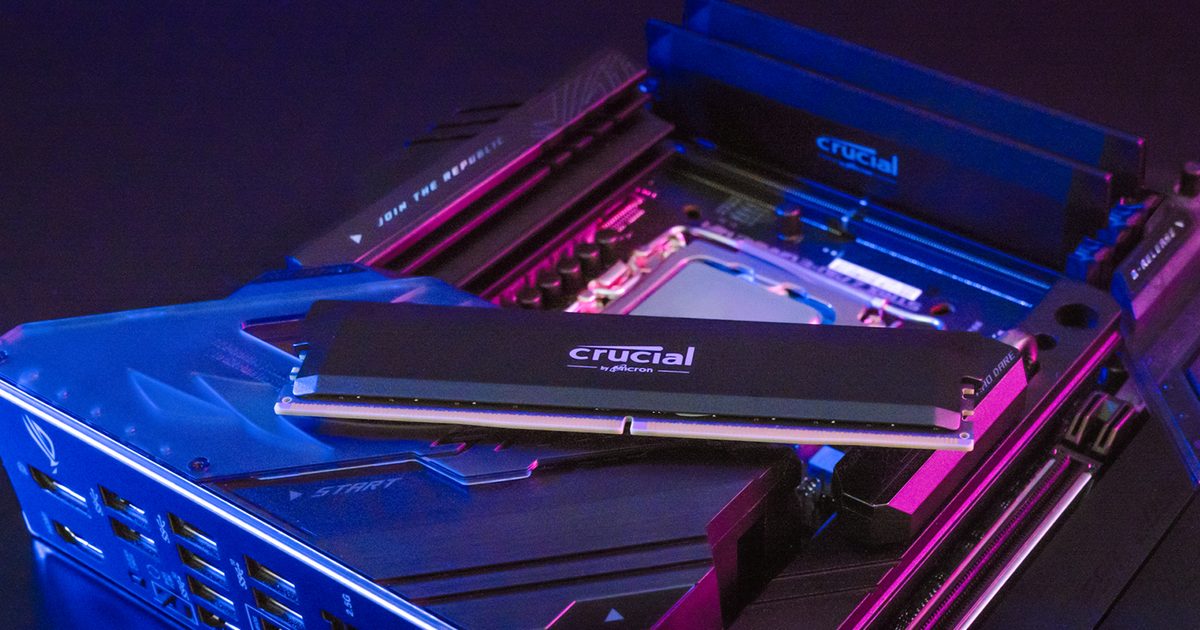
 Crucial / Micron
Implications for consumers
Chey anticipates that SK Hynix’s leadership will soon present a strategy to stabilize DRAM prices. Companies typically do not discuss price stabilization unless they are concerned about market volatility, which often suggests reduced predictability and higher costs for buyers.
With SK Hynix controlling 57% of the HBM market and 32% of the global DRAM market, it is evident that the company is a major industry force. As the second-largest DRAM supplier worldwide, these warnings are difficult to dismiss.