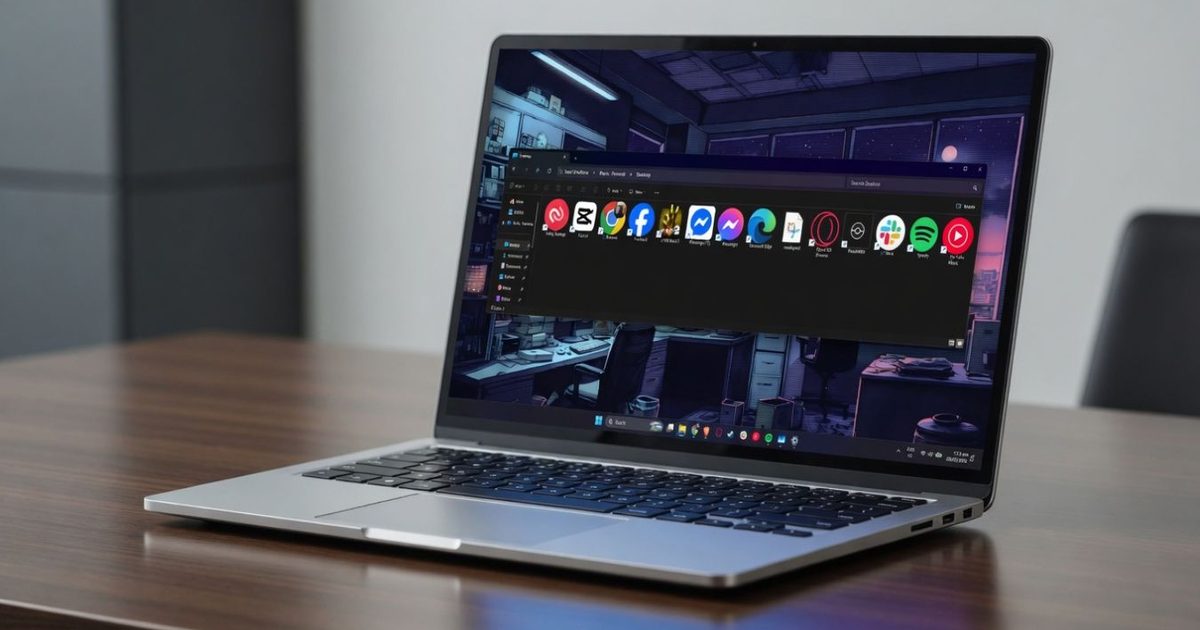
Microsoft is finally addressing a long-standing complaint from Windows 11 users: File Explorer suffers from sluggishness that a quicker launch time alone cannot resolve.
According to Microsoft’s recent update, the company is implementing a comprehensive performance strategy for the Windows 11 File Explorer. This includes targeted adjustments to startup processes, disk operations, visual rendering delays, and application stability.
These issues impact daily workflows significantly. Tasks like navigating folders, loading thumbnails, opening context menus, and dealing with minor freezes can make the file manager feel unnecessarily heavy and unresponsive.
Why Quicker Launches Aren’t Enough
Microsoft’s previous solution involved preloading File Explorer to keep essential components ready in the background. While this reduces the initial wait time when clicking the icon, it doesn’t address the app’s performance after it opens.
 Paulo Vargas / Techgeeks
However, this approach has drawbacks. A Windows Latest test found that preloading consumes approximately 35MB of RAM. While this may seem minor on modern systems, it reinforces the argument that Microsoft is using memory to mask underlying code inefficiencies.
 Paulo Vargas / Digital Trends
The real issues occur after the application launches. Large directories may still load slowly, and right-click menus can lag. Microsoft’s new strategy is more robust as it addresses the sequence of startup tasks, eliminates redundant visual processing, reduces disk access, and prevents application freezes.
Inside the File Explorer Update
Tali Roth, Microsoft’s Head of Product for Windows Shell, outlined the File Explorer roadmap as a dual-pronged effort combining startup optimizations with deeper engineering improvements.
The Windows Shell team is focusing on the most noticeable user experiences. Efforts include optimizing load sequences, stripping out superfluous animations, minimizing disk reads, and stabilizing the app to prevent hangs.
These improvements target areas that preloading cannot fix. The goal is a file manager that opens instantly, populates folders without lag, and keeps thumbnails and menus responsive.
Looking Ahead
Microsoft plans to deploy these File Explorer optimizations gradually over the next few months. The true test will be whether average Windows 11 users perceive a tangible improvement once these changes reach stable releases.
Preliminary feedback is promising. Recent builds have reportedly enhanced navigation smoothness, eliminated the flashing artifact in dark mode, and begun integrating modern UI elements into older File Explorer components.
A specific release date for the general public has not been set. Once the updates arrive, users should monitor everyday interactions—folder loading, thumbnail generation, context menu responsiveness, and overall fluidity. These are the key indicators that Microsoft needs to demonstrate to prove Windows 11’s file manager is genuinely faster.