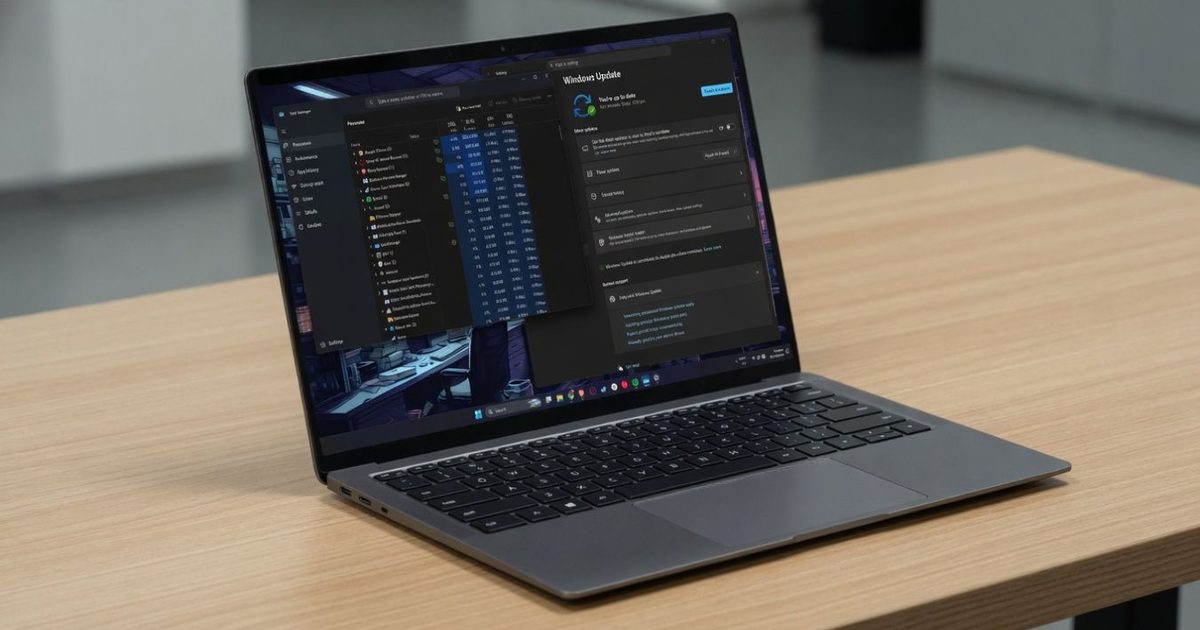
Microsoft’s newest Windows 11 update focuses its efforts on the performance hiccups that users actually experience. KB5083631, an optional preview update for Windows 11 versions 24H2 and 25H2, addresses memory leaks, slow boot times, and File Explorer behavior that can make the operating system feel sluggish.
This release has a clearer objective than simply tweaking the user interface. Microsoft aims to eliminate the friction caused by services consuming excessive RAM, applications taking too long to launch after a restart, or File Explorer leaving explorer.exe running in the background even after its windows are closed.
Identifying RAM Drain
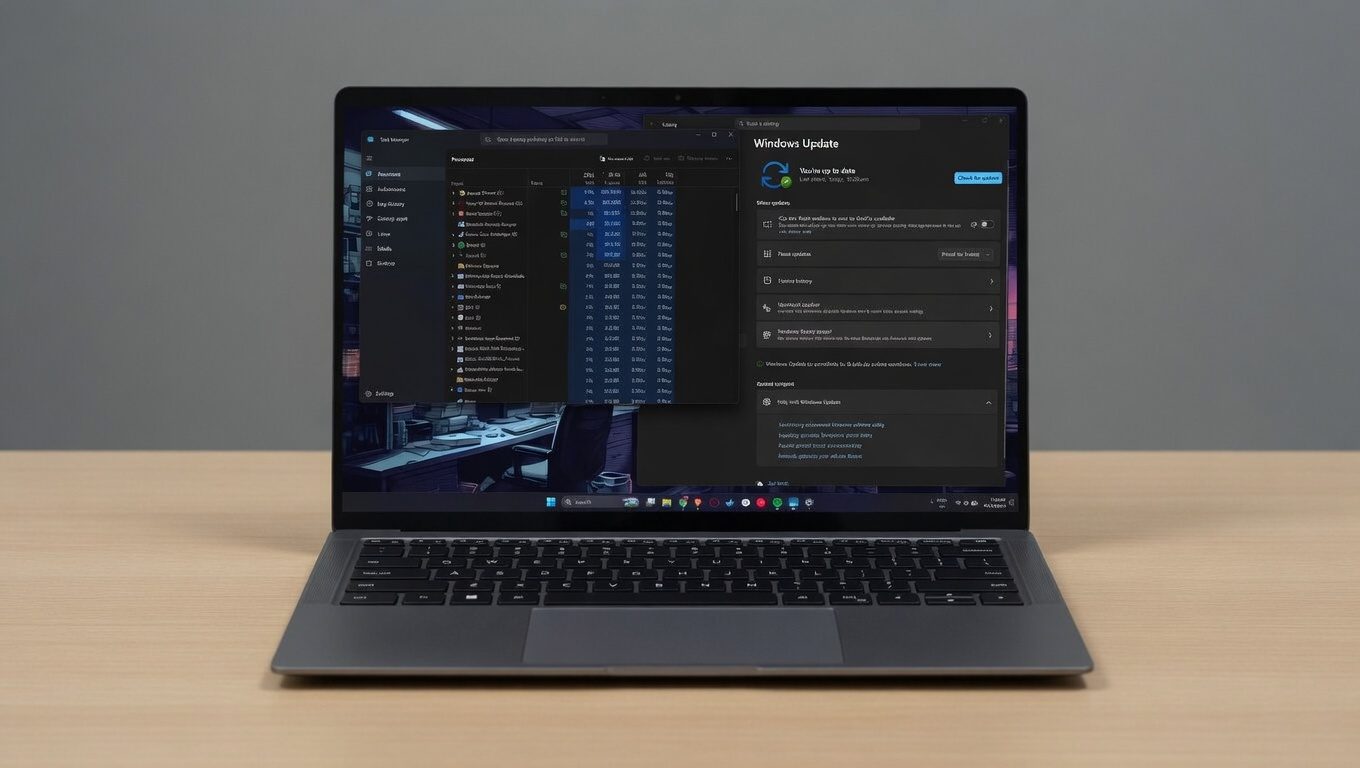
The primary performance improvement targets Delivery Optimization, the background service responsible for Windows Update and Microsoft Store downloads. This service has been associated with memory leaks and unusually high RAM consumption, so reducing its resource footprint could significantly benefit PCs that are already struggling.
 Paulo Vargas / Techgeeks
Startup applications are also receiving attention. Programs listed under Settings, Apps, Startup should launch more quickly after a reboot, which is particularly beneficial for work computers and older laptops that already struggle with crowded startup lists.
File Explorer also sees improvements. The update enhances explorer.exe behavior so the process properly terminates after File Explorer windows are closed, rather than lingering in the background and consuming resources.
Additional Improvements
The update also resolves File Explorer’s dark mode flash, saved View and Sort preferences, taskbar system tray loading issues, and crashes related to Task View, taskbar menus, and Quick Access.
While these fixes may seem minor on paper, they impact the parts of Windows used constantly. Cleaner startup behavior, retained folder layouts, fewer stuck processes, and fewer visual glitches can make a PC easier to live with, even when raw speed gains are hard to measure.
 Monica J. White / Techgeeks
There are still limitations. Microsoft is promising fixes that sound meaningful, but users won’t know how much their own PCs improve until the update is installed and tested in daily use.
The Update Path to Watch
Most people don’t need to rush into the optional preview release. It’s available now for users who manually check for updates and choose to get the latest Windows 11 changes early, but the same fixes are scheduled to reach everyone through the May 12, 2026 Patch Tuesday update.
That timing makes the mandatory release the safer default for anyone who depends on a stable PC for work or school. It will bundle these performance changes with security updates.
For now, KB5083631 is best suited to users dealing with obvious slowdowns, high background memory use, dark mode flashes, or lingering explorer.exe processes. Everyone else can wait a few days and still get the fixes without chasing a preview build.