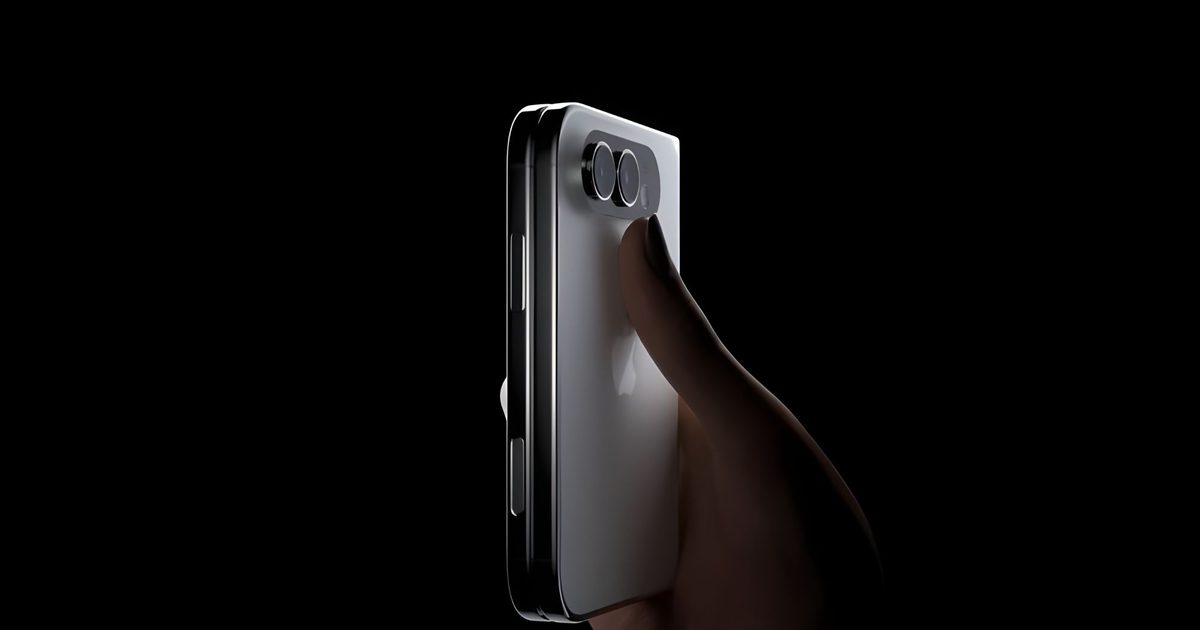
Apple’s debut foldable iPhone, potentially named the iPhone Ultra, could offer more than just a broader screen. According to a recent Weibo update from tipster Instant Digital (刹那数码), the device may also be simpler to open, fix, and disassemble compared to other foldable phones on the market.
Repairing foldables is notoriously tough due to their tight internal layouts, delicate screens, and intricate wiring. Even Google’s Pixel 9 Pro Fold, often cited as one of the more serviceable foldables, only earned a 4 out of 10 repairability rating from iFixit. This highlights just how complex fixing these devices typically is.
Might Apple Simplify Foldable Repairs?
The latest report suggests Apple has engineered a more streamlined internal design for the device, opting for a modular approach over complex cable routing. This design choice could significantly ease the repair process by minimizing the chance of technicians accidentally pulling or harming cables during disassembly.
 iPhone Fold CAD-based render AI Visualization
To accomplish this, Apple is said to have positioned the motherboard on the right side of the device, directing cables upward to link with the volume buttons. This aligns with earlier tips suggesting the volume controls would sit on the top-right edge, much like the iPad mini.
 iPhone Fold CAD-based render AI Visualization
Additionally, the power button with Touch ID and the camera control button are reportedly located on the right edge, leaving the left side to contain the display components and the rumored largest battery ever installed in an iPhone.
Is Repairability the iPhone Ultra’s Main Surprise?
In recent years, Apple has been working to improve iPhone repairability, a move likely driven by growing regulatory demands and the Right to Repair movement. Since the iPhone 16, battery replacement has become significantly easier due to electrically induced adhesive debonding. If this latest leak holds true, Apple’s first foldable iPhone could bring this repair-friendly approach to a category where fixes are typically much harder.