Budget Windows notebooks have long suffered from a lackluster reputation. While their low price is a clear advantage, the devices often feel disappointing to use. If you’ve spent most of your time in the Apple ecosystem, you know the drill: flimsy plastic shells, dim displays, and mushy keyboards. The specifications may look decent for the cost, but the actual experience rarely thrills.
During my recent trip to Taiwan for Computex 2026, I was eager to see the most powerful gaming rigs and the latest tech breakthroughs. You normally expect the top‑tier offerings from the industry giants, not budget announcements. Yet this year, the most compelling laptop story wasn’t about monster gaming machines, AI workstations, or ultra‑expensive creator tools.

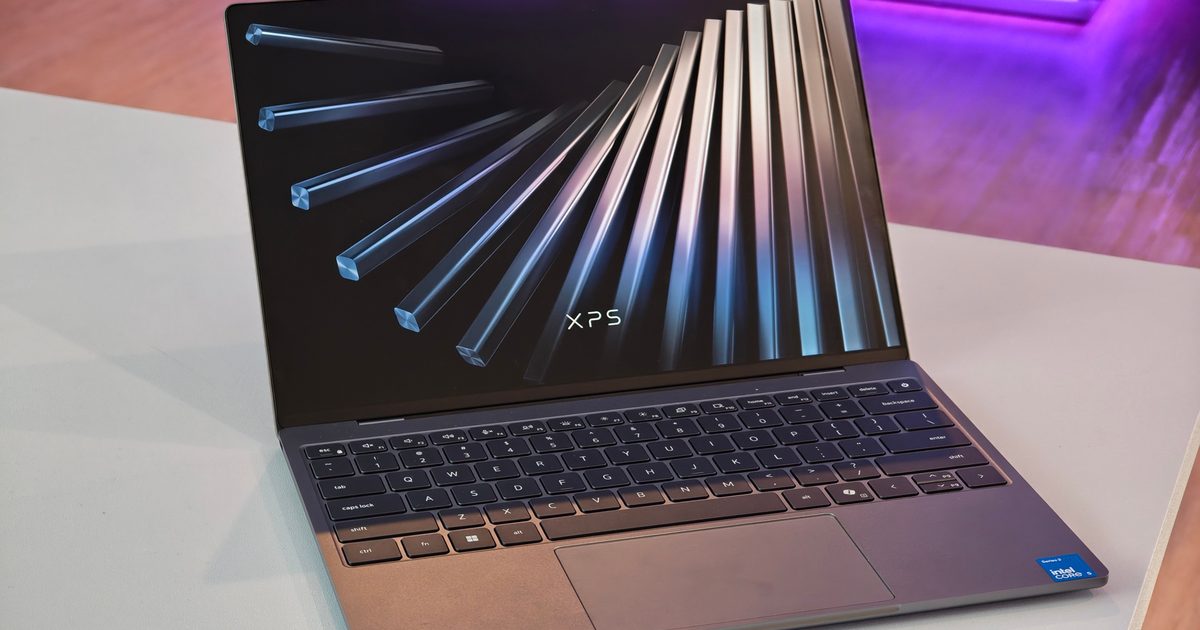
Instead, I discovered a new wave of budget‑premium Windows laptops that appear designed to take on Apple’s MacBook Neo in terms of price, build quality, and everyday usability. While several affordable announcements have appeared lately, Dell and Acer really stood out with their latest models. The Dell XPS 13 and Acer Swift Air 14 AI seem like laptops that the average buyer or student on a tight budget could actually consider.
Both devices seem to have taken note of what Apple got right with the MacBook Neo: people want a machine that feels premium without hitting four‑figure prices.
The new XPS 13 makes a bold statement
Dell’s decision to revive the XPS line was already welcomed, and the XPS 13 takes that enthusiasm a step further. A solid value laptop is great, but offering a premium experience at a reasonable price is almost a no‑brainer. The XPS series has always represented Dell’s high‑end consumer line, known for tight construction, clean aesthetics, excellent screens, and a polished Windows experience. Seeing a fresh XPS 13 start at $699—and even drop to $599 for eligible students—shifts the conversation.
This is especially significant given today’s painful RAM and component pricing environment. Many manufacturers are squeezed to keep costs low while memory prices climb, forcing compromises such as poorer screens, basic webcams, and cheaper chassis. Those trade‑offs have made price hikes inevitable, which makes the XPS 13’s approach feel refreshing.

The revamped XPS 13 still boasts an aluminum chassis, a 2.5K anti‑reflective touch display, back‑lit keyboard, Windows Hello, quad speakers, faster USB‑C, Wi‑Fi 7, and a starting weight of just 1 kg. Dell targets this notebook at students, young professionals, and first‑time premium‑laptop buyers who want something that feels nicer than the typical entry‑level Windows device.
It’s still about $100 more than the MacBook Neo, but the gap is justified by a smoother 120 Hz panel, a useful back‑lit keyboard, biometric login even in the base model, and double the starting storage capacity. Performance with Intel’s Wildcat chips still needs thorough testing, but the overall package positions the XPS 13 as a serious MacBook Neo contender.

Acer’s Swift Air 14 AI joins the fray
The Dell XPS 13 isn’t the only contender. Another promising sight at Computex 2026 was the Acer Swift Air 14 AI. It follows the premium direction with an all‑aluminum Windows laptop featuring Intel Core Series 3 processors, an integrated NPU for AI‑enhanced features, a 14‑inch 120 Hz display, quad speakers, an IR camera with Windows Hello, a privacy shutter, dual Thunderbolt 4 ports, USB‑A, and a 70 Wh battery.

This is a far stronger package than the traditional notion of a budget laptop. The MacBook Neo still holds clear advantages—sharper display, macOS ecosystem, and superior battery efficiency. However, Acer counters with a larger 14‑inch screen, smoother 120 Hz refresh rate, greater port variety, Windows Hello facial recognition, and a design that doesn’t apologize for its price.
MacBook Neo gave Windows a wake‑up call
A major factor behind the Neo’s success was Apple’s deep understanding of its own formula. Offering a premium product at a more accessible price reshaped the laptop market, making Windows no longer the obvious value choice. Dell and Acer aren’t trying to undercut Apple by simply lowering prices; each adds distinct touches that keep them separate from Apple’s entry‑level offering.

Neither notebook magically solves all budget‑laptop woes. The return of 8 GB base configurations is still something to watch, especially for users planning to keep a device for several years. Nonetheless, these machines demonstrate that affordability no longer has to mean boring hardware. For the first time in a while, the Windows side appears to have a genuine answer to Apple’s budget‑premium strategy.