Category: Technologies

  • Samsung Unveils a Major Galaxy Enhance-X Update with Advanced Editing Tools

    Samsung Unveils a Major Galaxy Enhance-X Update with Advanced Editing Tools

    Samsung has unexpectedly revamped its Galaxy Enhance-X application, going far beyond simple interface adjustments. According to Android Authority, the company has silently rolled out Galaxy Enhance-X version 16.3.00.31, introducing a fresh interface design alongside a suite of new tools for editing images, videos, and documents.

    This update is now available on the Galaxy Store. With this release, Samsung aims to transform Enhance-X into a far more versatile tool compared to its earlier version.

    What’s New in Galaxy Enhance-X?

    The most noticeable shift is the app’s layout. Samsung has reorganized the interface into three tabs: Plugins, Home, and History. The Plugins section hosts add-on tools, the Home tab serves as the primary workspace for edits, and History logs all previously modified files.

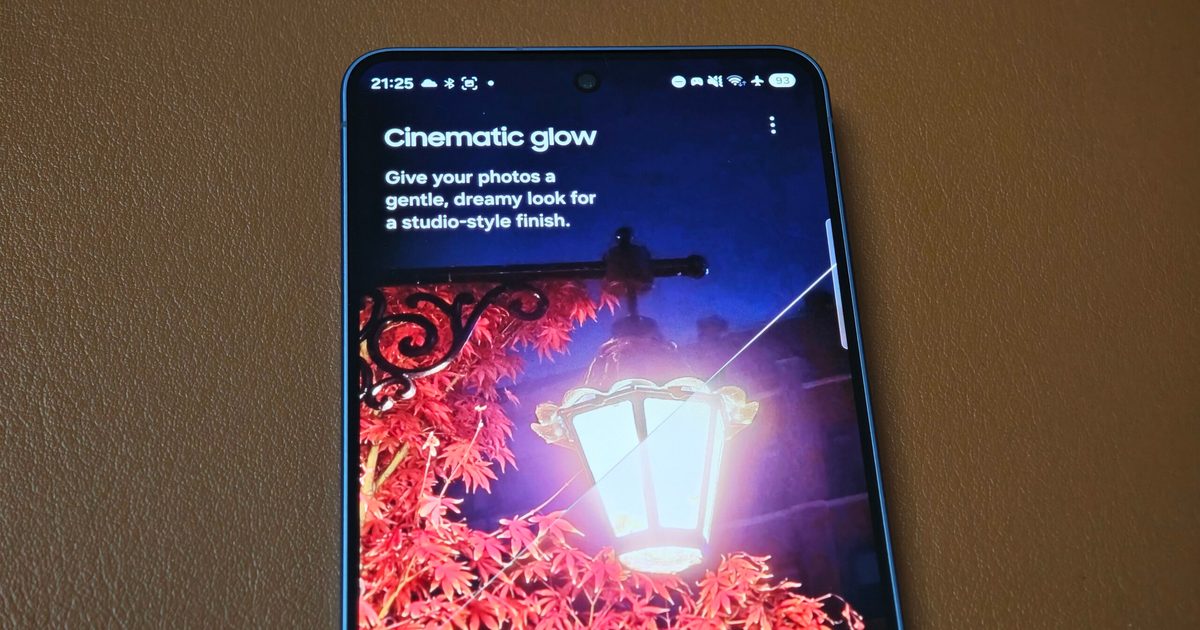
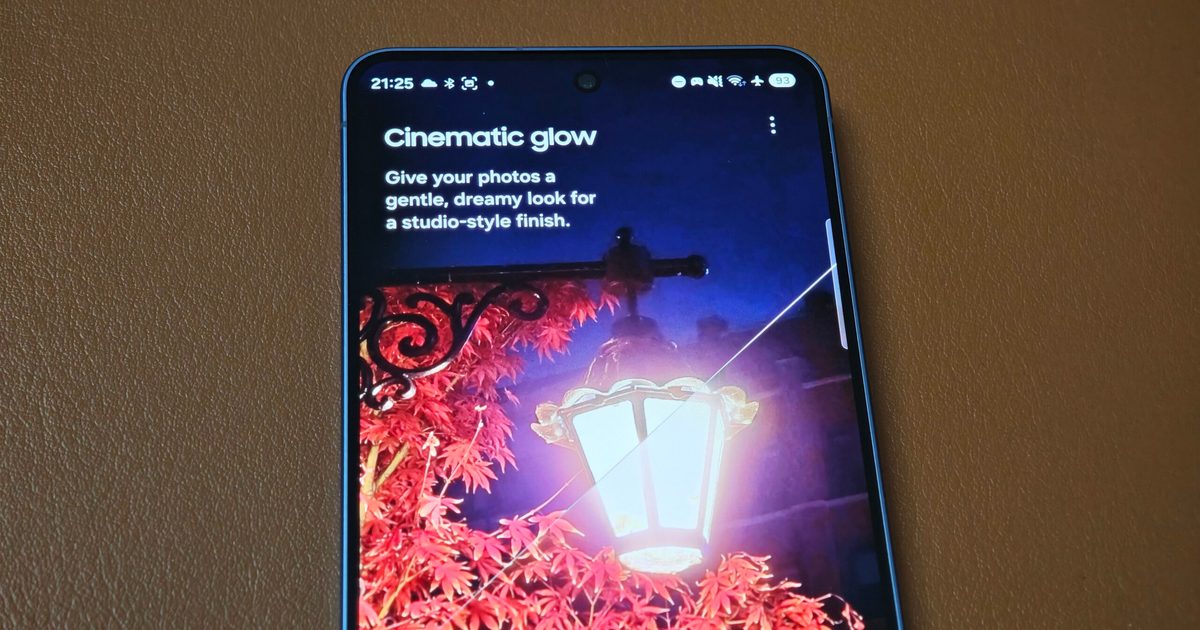
    The newly added plugins are particularly exciting. Samsung has launched a modular plugin framework, currently offering three options: CinematicGlow for a soft, dreamy diffusion effect; FilmStyle, which provides nine filters inspired by classic cinema; and SkyGuide, which detects stars, constellations, and other celestial bodies in nighttime photos. These plugins are downloaded individually via the Galaxy Store and then appear within Galaxy Enhance-X as supplementary tools.

    Having a dedicated tab for plugins allows Samsung to expand the app’s capabilities without cluttering the core experience. Testing it on my Galaxy S26, the interface remained clean and user-friendly.

    Additional Features Included?

    The update also expands the app’s photo, video, and document editing capabilities. The Photo tools section now features blur correction, reflection removal, HDR enhancement, sharpening, and more, while the Face editing section allows adjustments to smoothness, tone, eyes, and jawline. On the document side, Samsung has introduced Doc tools that can automatically clean and crop scans, convert and merge files into JPEGs or PDFs, and even let users apply filters, translate text, draw, crop, and add annotations.

    For enhanced productivity, batch editing enables users to process multiple photos or videos simultaneously. Meanwhile, the new History tab organizes everything in standard formats like JPEG, MP4, and PDF. All of this essentially transforms Samsung’s Galaxy Enhance-X into a much more compelling editing application.

  • LG 77-Inch C5 OLED Now Available for $1,999, Offering Unmatched Visual Performance at This Price Point

    LG 77-Inch C5 OLED Now Available for $1,999, Offering Unmatched Visual Performance at This Price Point

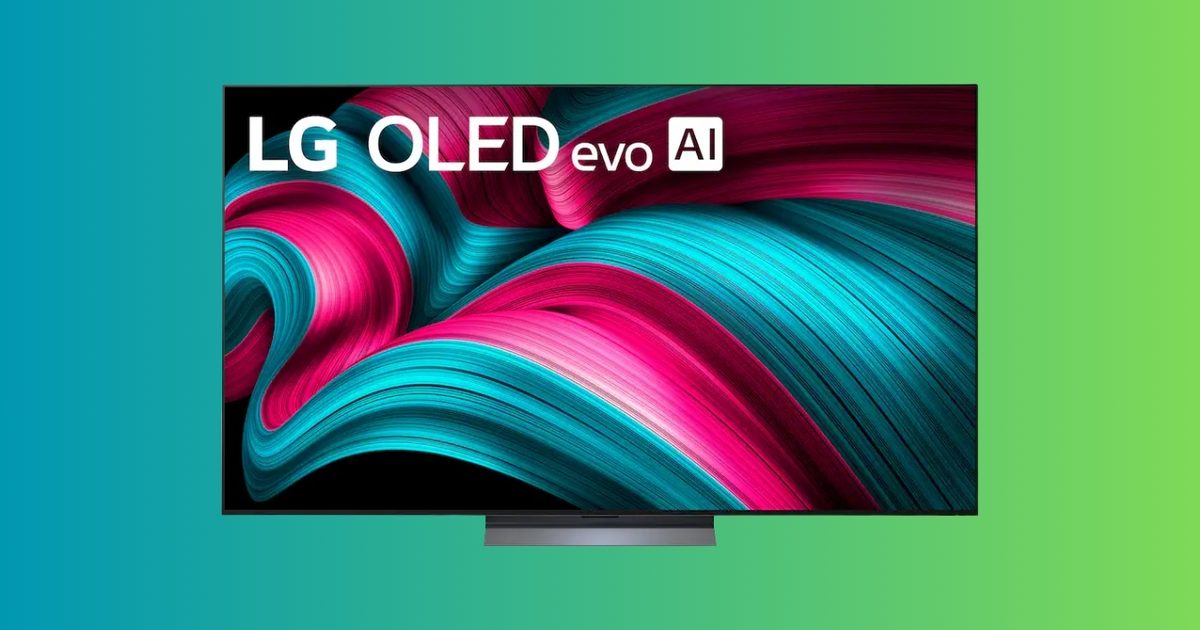
    The LG C5 has long set the standard for OLED displays, and the 77-inch model is now priced at $1,999.99, marking a $1,700 reduction from its original $3,699.99 MSRP. At this screen size and price point, this television transforms the look and feel of any living space, with its OLED evo panel delivering image quality that no LED or Mini-LED competitor can match at this cost.

    Key Features and Benefits

    Screen size impacts OLED technology differently than traditional LED displays. While larger LED screens tend to exaggerate backlight uniformity flaws, a larger OLED panel amplifies the core advantages that make OLED worthwhile: pixel-level contrast, perfect black levels, and color accuracy maintained across the entire display without faltering at the edges. At 77 inches, the distinction between OLED and other technologies becomes far more pronounced compared to 55- or 65-inch models.

    The OLED evo panel in the C5 achieves higher peak brightness than prior OLED iterations, a critical enhancement for a screen of this magnitude in average living rooms. HDR highlights appear more realistic, and the display performs well in spaces with afternoon sunlight, addressing a common limitation of earlier OLED panels.

    LG’s AI-driven image processing analyzes each scene individually instead of relying on static presets, and on a 77-inch display, the gap between optimized and subpar image quality is stark. WebOS manages the smart interface seamlessly, while the C5 supports 4K resolution at 120Hz with VRR and ALLM, ensuring excellent performance for both modern gaming consoles and cinematic content.

    Value Proposition

    A $1,700 discount on any television is substantial. For a 77-inch LG OLED, this pricing makes it remarkably accessible, a level of affordability this tier of display has never achieved. Competing 77-inch OLED models from Sony remain significantly more expensive even during promotions, and the LG C5’s OLED panel maintains its edge against all rivals in the category regardless of pricing.

    Final Verdict

    The LG 77-inch C5 OLED at $1,999.99 represents a large-screen television purchase that’s difficult to resist at this price. The combination of OLED evo technology, AI-powered image enhancement, and gaming-optimized specifications delivers a viewing experience that justifies the investment, while the $1,700 discount makes this the ideal time to upgrade to a screen size that truly suits your space.

  • Elden Ring Live-Action Film Sets March 2028 Premiere with IMAX Production & All-Star Cast

    Elden Ring Live-Action Film Sets March 2028 Premiere with IMAX Production & All-Star Cast

    The vast world of the Lands Between is heading to cinemas, and the official release window has been locked in. A24, in collaboration with Bandai Namco, has verified that Alex Garland’s live-action Elden Ring cinematic will hit theaters on March 3, 2028. Filming has commenced in the United Kingdom, and the production will utilize IMAX technology for its visuals.

    The live-action movie adaptation of #ELDENRING, produced by the studio A24 in partnership with Bandai Namco and filmed for IMAX, is slated for release on March 3, 2028.

    The live-action movie adaptation of #ELDENRING, produced by the studio A24 in partnership with Bandai Namco and filmed for IMAX, is slated for release on March 3, 2028.Production will begin in Spring 2026, and the full cast has been announced. Learn more: https://t.co/WyyyXMkiUF pic.twitter.com/gR3Mxxl5Lt

    — ELDEN RING (@ELDENRING) April 20, 2026

    See More

    Production will begin in Spring 2026, and the full cast has been announced. Learn more: https://t.co/WyyyXMkiUF pic.twitter.com/gR3Mxxl5Lt

    — ELDEN RING (@ELDENRING) April 20, 2026

    See More

    Who is in the Elden Ring movie cast?

    The ensemble is now finalized, featuring Kit Connor and Ben Whishaw in the lead roles. Cailee Spaeny, Tom Burke, Havana Rose Liu, Sonoya Mizuno, Jonathan Pryce, Ruby Cruz, Nick Offerman, John Hodgkinson, Jefferson Hall, Emma Laird, and Peter Serafinowicz are also on board.

    Garland reportedly made a personal pitch to Bandai Namco and FromSoftware to secure the project, which tells you everything about how much he wanted this. He is writing and directing, and given what he has done with Ex Machina, Annihilation, and Civil War, the creative match feels right.

    What is Elden Ring movie about?

    For those unfamiliar, Elden Ring is a 2022 open-world action RPG from FromSoftware set in a sprawling dark fantasy world called the Lands Between. You play as a Tarnished, an outcast summoned back to restore a shattered relic called the Elden Ring and claim the title of Elden Lord.

    No plot details for the movie have been confirmed yet, so it remains to be seen how closely Garland’s script follows the game’s story.

    What makes it especially compelling as a film adaptation is the lore behind it. George R.R. Martin, the author of A Song of Ice and Fire and the creator of Game of Thrones, co-wrote the game’s backstory and is also producing the film alongside Peter Rice, Andrew Macdonald and Allon Reich.

    Video game adaptations are having a serious Hollywood moment right now, with Sony recently announcing both a Metal Gear Solid movie and an animated Bloodborne film in the works.

  • Intel’s Hidden Handheld Processors Could Challenge AMD’s Dominance

    Intel’s Hidden Handheld Processors Could Challenge AMD’s Dominance

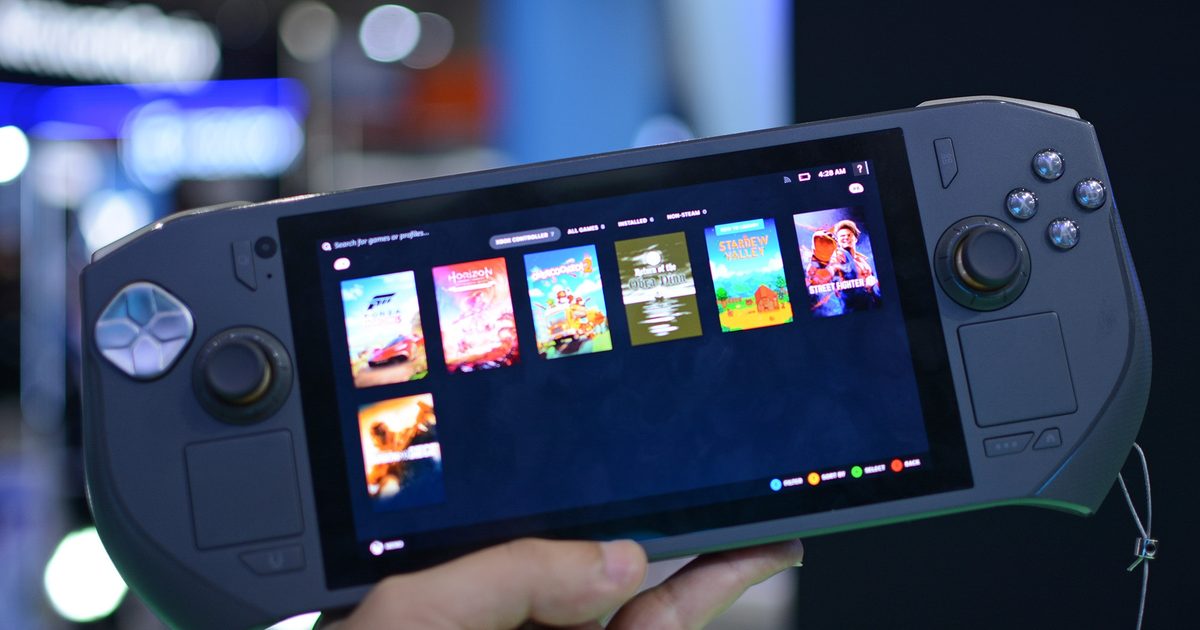
    Intel has been quietly developing something intriguing. A recent leak has uncovered two unannounced processors, the Arc G3 and Arc G3 Extreme, specifically designed for handheld gaming consoles. These chips are anticipated to launch in Q2 2026, potentially transforming the handheld gaming landscape.

    Fake.4.8GHz and 18MB L3 is incorrect.It appears to be a spoofed 358H.G3 Extreme should be 4.7GHz, 12MB L3.Also, the product name is Intel Arc G3 Extreme, not Intel Core G3 Extreme. https://t.co/MZrF963qzW

    — Jaykihn (@jaykihn0) April 20, 2026

    See More

    pic.twitter.com/ISHxr8WFbj

    — HXL (@9550pro) April 20, 2026

    See More

  • AI’s Insatiable Demand for Chips May Keep Memory Costs Elevated for Years

    AI’s Insatiable Demand for Chips May Keep Memory Costs Elevated for Years

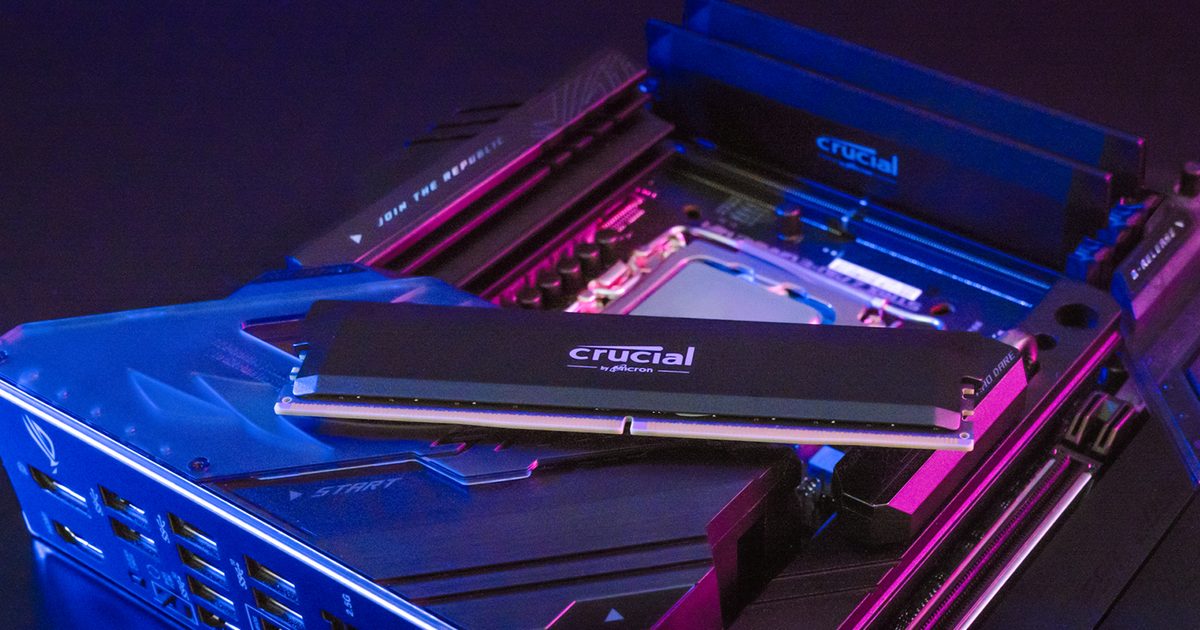
    Recent analyses suggest that memory costs could remain high until 2027, indicating that the shortage of memory chips is not a fleeting issue. This is concerning for consumers anticipating lower prices for smartphones, laptops, and graphics processing units in the near future.

    Reuters reports that SK Group chairman Chey Tae-won stated the global shortage of chip wafers is projected to persist until 2030, as demand from artificial intelligence continues to exceed supply. Chey noted that the current deficit may stay above 20%, primarily because AI systems consume vast quantities of high-bandwidth memory, thereby utilizing a significant amount of wafers.

    Reasons memory costs may remain elevated for several years

    Memory chips haven’t suddenly become costly due to production bottlenecks or artificial price inflation. Chey specifically highlighted AI’s enormous requirement for HBMs, or high-bandwidth memory, as a primary factor keeping the shortage ongoing. He estimates that the industry will need four to five years to develop sufficient additional wafer capacity, which is why he anticipates the deficit could extend through the end of the decade.

    Memory is not a specialized component hidden within the supply chain. It impacts nearly every consumer product, from affordable smartphones and mid-tier laptops to gaming handhelds, consoles, solid-state drives, and graphics cards.

    Implications for consumers

    Chey anticipates that SK Hynix’s leadership will soon present a strategy to stabilize DRAM prices. Companies typically do not discuss price stabilization unless they are concerned about market volatility, which often suggests reduced predictability and higher costs for buyers.

    With SK Hynix controlling 57% of the HBM market and 32% of the global DRAM market, it is evident that the company is a major industry force. As the second-largest DRAM supplier worldwide, these warnings are difficult to dismiss.

  • Google’s Upcoming Screen-Free Fitness Band May Be Called Fitbit Air, Challenging Whoop’s Dominance

    Google’s Upcoming Screen-Free Fitness Band May Be Called Fitbit Air, Challenging Whoop’s Dominance

    Google has been hinting at a screen-free fitness tracker since late March, and now the name has been revealed. According to 9to5Google, the forthcoming gadget will be branded as the ‘Google Fitbit Air.’ NBA star Stephen Curry has already been photographed sporting it since the beginning of 2026, offering the first genuine glimpse of Google’s competitor to Whoop.

    Understanding the Fitbit Air and Its Strategy to Compete with Whoop

    The Fitbit Air directly targets Whoop, the widely used screen-free fitness tracker preferred by athletes for its comprehensive health metrics including recovery, strain, and sleep analysis. The Fitbit Air seems to adopt a similar approach. The ‘Air’ designation suggests a slim, lightweight build designed for continuous wear without the heaviness of a conventional smartwatch.

    A Google I/O unveiling seems likely, especially considering Curry’s public hints about the gadget. Some core functionalities may be offered at no cost, while premium features such as the AI-driven Ask Coach tool will require a subscription.

    The Fitbit Air would also mark the first significant non-Pixel wearable release under Google’s direct management following the Fitbit acquisition, placing considerable expectations on the device to succeed.

    Exploring Google Health and Its Impact on the Fitbit Ecosystem

    The hardware is merely one aspect of the strategy. Google intends to rename Fitbit Premium, its current paid service, to Google Health. Furthermore, Google will embed Gemini directly into the Fitbit application to deliver tailored health recommendations. These AI capabilities are currently undergoing testing via the Fitbit Health Coach public preview.

    Upon the Fitbit Air’s release, the Health feature will also be rebranded as the Google Health Coach. The teaser posted by Curry concluded with a Google ‘G’ logo devoid of any Fitbit branding, which now holds greater significance. Google appears to be wagering that its own brand name holds more influence in the health technology sector than Fitbit does currently.

  • Google’s Upcoming Screen-Free Fitness Band, Named Fitbit Air, Targets Whoop’s Market Dominance

    Google’s Upcoming Screen-Free Fitness Band, Named Fitbit Air, Targets Whoop’s Market Dominance

    Google has been teasing a screen-less fitness band since late March, and now we finally know what it is called. According to 9to5Google, the upcoming device will be marketed as the “Google Fitbit Air.” NBA star Stephen Curry has already been spotted wearing it since the start of 2026, giving the world its first real look at Google’s answer to Whoop.

    What is the Fitbit Air and how it plans to take on Whoop

    The Fitbit Air takes direct aim at Whoop, the popular screen-less fitness tracker favored by athletes for its detailed health data like recovery, strain, and sleep tracking. The Fitbit Air appears to follow the same playbook. The “Air” name points to a thinner, lightweight design built for all-day wear without the bulk of a traditional smartwatch.

    A Google I/O launch looks plausible given how publicly Curry has been teasing the device. Some basic features will reportedly be free, but advanced tools like the AI-powered Ask Coach feature will sit behind a paid subscription.

    The Fitbit Air would also be the first major non-Pixel wearable to launch under Google’s leadership since the Fitbit acquisition, which adds real pressure on the device to deliver.

    What is Google Health and how does it change the Fitbit experience?

    The hardware is only half the story. Google plans to rebrand Fitbit Premium, its existing paid subscription, as Google Health. Additionally, Google will integrate Gemini directly into the Fitbit app to power personalized health insights. These AI features are already being tested through the Fitbit Health Coach public preview.

    Once the Fitbit Air launches, the Health feature will get rebranded too, as the Google Health Coach. The teaser shared by Curry ended with a Google “G” with zero Fitbit branding, which now makes a lot more sense. Google is clearly betting that its own name carries more weight in the health tech space than Fitbit does at this point.

  • Motorola Extends Android 17 Beta Program to Additional Razr and Edge Devices

    Motorola Extends Android 17 Beta Program to Additional Razr and Edge Devices

    Motorola is broadening its Android 17 beta program to encompass several additional older models. This latest update includes invitations for previous-generation flagships and foldable devices.

    According to Android Authority, Motorola is granting Android 17 beta access to three additional devices: the Motorola Razr Plus 2025, Motorola Razr Plus 2024, and the Motorola Edge 50 Ultra. In certain regions, the Razr Plus 2024 and 2025 models are marketed as the Razr 50 Ultra and Razr 60 Ultra. These are all high-end devices, which are now finally receiving access to the latest beta release.

    Expanding Beta Access to More Devices

    Motorola is no longer restricting the beta to a small initial group. The program is now being broadened to include two foldable phones and one flagship slab device. Initially, the company launched the Android 17 beta in February, making it available for the Moto Edge (2025), Moto G57, and Moto G57 Power.

    This update comes shortly after Google began its rollout, and the company now appears more open to distributing access widely than in the past. For a brand that has not always been known for rapid Android updates, this change is significant. Although this is still beta software, Motorola seems more motivated than usual to demonstrate progress in this release cycle.

    Beta Access Eligibility and Availability

    Motorola is currently accepting applications from users in the US, India, Europe, Latin America, and Brazil. This wide geographic coverage makes the program feel less like a restricted regional preview and more like a substantial expansion for users eager to test the software early.

    The application process follows a standard procedure. Users must register an account on Motorola’s official community site, add their device’s IMEI or serial number to their profile, join the Motorola Feedback Network, and submit an application via the Beta Testing Opportunities page. Upon approval, the company will deliver the beta update over-the-air.

    Keep in mind that this is still beta software. Users should anticipate potential issues such as malfunctioning features, increased battery consumption, crashes, or other instabilities.

  • Mercedes-AMG’s Future Electric Models May Utilize Samsung SDI Battery Technology

    The upcoming Mercedes-Benz EV might be powered by Samsung’s battery technology. Samsung SDI has finalized a multi-year agreement to supply batteries to Mercedes-Benz, marking the South Korean firm’s inaugural EV battery partnership with the premium automotive brand.

    Details on the EV Battery Partnership

    Samsung SDI has indicated that the batteries will feature high-nickel NCM chemistry and will be integrated into Mercedes-Benz’s next-generation electric vehicles. As reported by the Korea JoongAng Daily, Mercedes intends to incorporate Samsung SDI’s cells into forthcoming compact and mid-size electric SUVs and coupe models.

    Although the announcement currently lacks specific details, it remains a significant development.

    Significance of the Supplier Change for Mercedes

    The key takeaway is that this represents Samsung SDI’s first battery contract with Mercedes-Benz. According to Korea JoongAng Daily, Mercedes previously depended on LG Energy Solution and SK On for EV batteries, while Samsung SDI’s automotive battery partnership had primarily been with BMW.

    Thus, this marks a strategic expansion of Mercedes’ battery supply chain as automakers seek to balance range, performance, cost, and long-term supply security. Samsung SDI states its cells are engineered to provide extended driving range, improved durability, high output performance, and integrated safety features.

    The report highlights that Mercedes-Benz chairman Ola Källenius met with Samsung Electronics executive chairman Lee Jae-yong during a visit to Korea last year, and that Mercedes already collaborates with Samsung in other areas including in-vehicle displays and Samsung Wallet digital key support.

    Therefore, the German automaker is not relying on a single supplier for its EV future. This development coincides with Mercedes-Benz’s push into EVs with improved range and charging technology, making this deal a logical progression.

  • OnePlus Unveils Innovative Gaming Controller with Clever Charging Solution

    OnePlus Unveils Innovative Gaming Controller with Clever Charging Solution

    OnePlus’s latest accessory for the Ace 6 Ultra appears to be another effort to transform a smartphone into a portable gaming device, but its most compelling feature is the central opening. OnePlus explains that this area is specifically designed for heat dissipation, and promotional visuals confirm it’s more than just a grip with added triggers. The design intentionally leaves space for thermal management and convenient power access simultaneously.

    While promoting its gaming capabilities, including four tactile buttons, hybrid touch/button inputs, micro-switch triggers, a 1 kHz polling rate, and a reported 1.8 ms latency, the controller’s true strength lies in sustained comfort. This is particularly valuable for fast-paced shooters where awkward hand positions and overheating can quickly ruin gameplay.

    Why the Central Cutout Is Key

    The middle section is where the design logic truly shines. OnePlus’ promotional materials suggest compatibility with an attachable magnetic cooling system, while the lower USB-C port allows players to charge their device during gameplay without cables interfering with their hands. The contoured grips further reinforce the idea that this is meant to function more like a dedicated handheld console than a simple phone mount.

    Mobile gaming peripherals often force compromises: protruding chargers, obstructive coolers, or awkward ergonomics after extended use. OnePlus seems to be addressing these issues, though confirmation regarding compatibility with OnePlus or Oppo wireless charging pads remains pending based on available information.

    Prioritizing Ergonomics Over Raw Specs

    OnePlus is positioning this as a premium accessory for competitive shooters. Promotional visuals emphasize customizable button layouts, integrated touch-and-button functionality, and an embedded gaming antenna for improved connectivity.

    This thoughtful layout matters more than impressive specifications. While high-speed response times look good on marketing materials, factors like thermal buildup, battery depletion, and cable management typically degrade long gaming sessions first.

    Key Considerations Ahead of Release

    The controller was exclusively announced for the Chinese market on April 28, 2026, with no confirmed international launch date. OnePlus also clarified that the accessory will be sold independently, with final specifications to be detailed in official communications.

    If OnePlus validates compatibility with its or Oppo’s magnetic cooling accessories, this could become a standout addition to mobile gaming. Without that confirmation, it remains a well-designed controller, albeit without a unique selling point.